I’ve always believed there’s something magical about a Zen garden. It’s not just the simplicity of the design or the soothing patterns in the sand—it’s the way it invites a sense of calm the moment you see it. In a world that often feels chaotic, having a peaceful space to unwind can make all the difference.

Creating a Zen garden doesn’t have to be complicated or require a ton of space. Whether it’s a small corner of your backyard or even a tabletop version, these serene setups are perfect for reconnecting with yourself and finding a little balance. It’s amazing how something so minimal can have such a powerful effect on your mind and spirit.
What Is A Zen Garden?
A Zen garden, also known as a Japanese rock garden, is a minimalist landscape designed to promote peace and mindfulness. These gardens often feature elements like sand, gravel, stones, and occasional plants to create a serene environment. Raked patterns in the sand or gravel mimic the flow of water and symbolize harmony.
Originating from Japan, Zen gardens were traditionally used by monks for meditation and reflection. The simplicity of their design encourages focus, making them an ideal space for quiet contemplation. While classic Zen gardens are usually outdoors, smaller tabletop versions are perfect for indoor spaces, offering the same calming effect on a smaller scale.
The Essential Elements Of A Zen Garden
Zen gardens focus on simplicity and natural elements to create a serene sanctuary. Incorporating specific features ensures balance and promotes relaxation.
Stones And Gravel
Stones and gravel form the foundation of a Zen garden. Gravel, often raked into patterns, symbolizes water dynamics, while stones represent mountains or islands. Larger stones can be placed upright or horizontally to create focal points. Arranging them asymmetrically enhances balance and creates visual flow.
Water Features
Water features bring tranquility and life to a Zen garden. A small pond, bamboo fountain, or even a simple basin can symbolize purity and renewal. Flowing water adds soothing sounds, fostering a meditative ambiance. In minimalist designs, raked gravel may replace actual water.
Plants And Greenery
Plants and greenery provide a subtle connection to nature. Moss, dwarf pines, and bamboo are common choices, offering texture without overwhelming simplicity. When space allows, small shrubs or flowering plants, like azaleas, add gentle color. Incorporating green elements maintains harmony with the natural world.
Decorative Ornaments
Decorative ornaments enhance the garden’s visual and cultural depth. Stone lanterns, pagodas, and carefully placed bamboo accents contribute to the aesthetic. Wooden bridges or stepping stones can create paths while encouraging reflection. Choosing minimal and meaningful ornaments prevents clutter and retains the garden’s peaceful essence.





Benefits Of Zen Gardens For Relaxation
Zen gardens create a calm space to escape daily stress. Their design fosters tranquility and mindfulness, providing noticeable mental and emotional benefits.
Stress Reduction
The minimalist design of a Zen garden encourages relaxation. Raking sand or gravel, for example, involves repetitive movements that help release tension and promote a state of calm. Quiet environments within these gardens reduce sensory overload, lowering cortisol levels and supporting stress management.
Mindfulness Practice
Zen gardens are perfect for cultivating mindfulness. Observing the carefully crafted patterns in the sand or arranging stones focuses attention on the present moment. This practice, central to Zen philosophy, helps clear the mind of distractions and enhances mental clarity.
Connection With Nature
Natural elements in Zen gardens create a calming bond with the environment. Features like gravel, stones, moss, or bamboo, for example, mimic nature’s simplicity, offering a space to reconnect and reflect. Even small indoor Zen gardens bring aspects of the outdoors into your space, creating a peaceful atmosphere.
Tips For Designing Your Own Zen Garden
Designing a Zen garden focuses on creating a space that inspires peace and mindfulness. Attention to location, balance, and maintenance ensures the garden remains a retreat for relaxation.






Choosing The Right Location
I select a location that provides a quiet, undisturbed atmosphere. Outdoor spaces like backyards work well if they’re free from heavy foot traffic or loud noises. If space is limited, I might create a tabletop version indoors near a window for natural light. The area should have a flat surface to accommodate gravel and stones without interference.
Incorporating Balance And Simplicity
I focus on arranging natural elements harmoniously while keeping the design minimalist. Stones act as focal points, and I position them thoughtfully to symbolize mountains or islands. Gravel surrounds the stones, and I rake it into smooth patterns to mimic water’s flow. Plants like moss or dwarf pines add greenery without overwhelming the space. I avoid overcrowding and ensure each element contributes to the garden’s tranquility.
Maintaining Your Zen Garden
I maintain my Zen garden by periodically raking the gravel to refresh its patterns and ensure a clean, balanced appearance. Any debris like leaves or dirt is removed promptly to preserve its serene aesthetic. Plants are trimmed to prevent overgrowth, keeping the design minimal. Indoors, I dust the garden regularly to keep it neat and inviting. Consistent upkeep ensures the space continues to promote relaxation.
Zen Garden Inspiration From Around The World
Zen gardens, rooted in Japanese tradition, inspire serenity and mindfulness across diverse cultures. Each variation reflects unique traditions while preserving the essence of tranquility.
Traditional Japanese Zen Gardens
Japanese Zen gardens emphasize simplicity and balance. I admire how they traditionally use raked gravel to represent flowing water, while carefully placed stones symbolize mountains or islands. Moss often softens the design, covering rocks or pathways with a lush, natural texture. Gardens like the Ryoan-ji temple in Kyoto exemplify timeless elegance, with their minimalist compositions inviting meditation and quiet reflection.
« How to Maintain Your Hardscape Features: Essential Tips for Lasting Beauty Expert Tips for Hiring Professionals for Large-Scale Garden Renovations »
Many traditional designs incorporate wooden walkways or stone lanterns, adding functional and aesthetic value. Tea houses or pavilions enhance the experience, often offering shaded spaces for uninterrupted contemplation. Outdoor Zen gardens typically use native elements to maintain harmony with the surrounding environment.
Modern Interpretations Of Zen Gardens
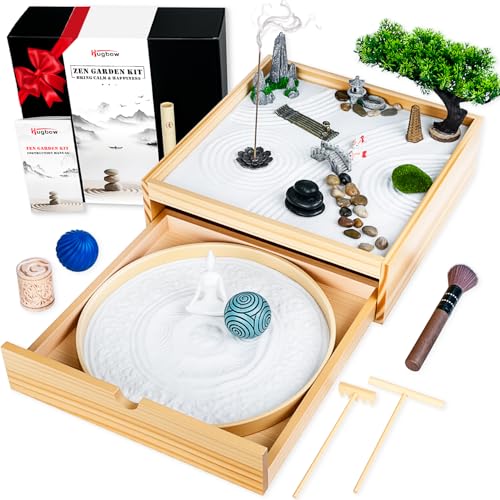
Modern Zen gardens adapt classic elements, bringing tranquility into urban and indoor spaces. I’ve seen variations using colored sands or polished stones to create intricate patterns, blending traditional and contemporary aesthetics. Compact designs, like tabletop Zen gardens, use mini rakes and sand, making mindfulness accessible in small apartments or offices.
Sustainable materials, such as recycled wood for borders or solar-powered water features, highlight eco-conscious innovations. Vertical Zen gardens are another inventive idea, combining greenery with structured gravel and stones for wall-mounted designs. These adaptations maintain peaceful vibes while fitting effortlessly into today’s busy, modern lifestyles.
Conclusion
A Zen garden offers more than just a beautiful space; it provides a sanctuary for peace and mindfulness in our busy lives. Whether you’re crafting a traditional outdoor garden or a small tabletop version, the simplicity and intention behind every element create a calming retreat that’s uniquely yours.
By embracing the balance and serenity these gardens inspire, you’ll find yourself reconnecting with nature and your inner self. It’s a gentle reminder to slow down, breathe, and find beauty in the present moment.