Have you ever noticed your pavers sinking in certain areas of your outdoor space? It’s a common issue that many of us face, but understanding why it happens can help us prevent it in the future. From patio stones to driveway pavers, the reasons behind their sinking can vary, but there are some common culprits we’ll explore together.
Understanding the Basics of Paver Installation
The Role of Subgrade in Paver Stability
When it comes to ensuring the longevity of your paved outdoor areas, the subgrade plays a crucial role. As landscape designers, we emphasize the significance of a well-prepared subgrade in providing a stable foundation for your pavers. The subgrade serves as the base on which the pavers sit, supporting the weight and ensuring even weight distribution. It’s essential to properly compact the subgrade to prevent future sinking issues. Without adequate compaction, the subgrade can shift over time, leading to pavers sinking unevenly.
Importance of Proper Compaction
Proper compaction is key to preventing pavers from sinking over time. As experienced professionals in landscape design, we understand that insufficient compaction can result in the subgrade settling, causing the pavers to follow suit. By compacting the subgrade correctly, we ensure that it remains stable and can support the weight of the pavers effectively. This process helps minimize the risk of sinking and maintains the integrity of your paved surfaces for years to come.
Primary Reasons Why Pavers Sink
As landscape designers, we understand the critical factors that can lead to pavers sinking in outdoor spaces. Ensuring a stable foundation is key to preventing this issue and maintaining the integrity of paved surfaces. Let’s explore the primary reasons why pavers may sink and how we can address these challenges effectively.
Poor Installation Techniques
When it comes to paver installations, shortcuts can lead to long-term problems. Poor installation techniques, such as insufficient base preparation or improper compaction, can compromise the stability of the entire paved area. Without proper compaction, the subgrade may shift over time, causing the pavers to sink unevenly. To avoid this, we always follow industry best practices, ensuring that the base is well-prepared and compacted to provide a solid foundation for the pavers.
Inadequate Drainage Systems
Effective drainage is essential for preserving the structural integrity of pavers. Inadequate drainage systems can result in water pooling around the pavers, leading to erosion of the base material and destabilizing the surface. Over time, this water infiltration can weaken the subgrade, causing the pavers to sink unevenly. To mitigate this risk, we design and implement proper drainage solutions that ensure water is directed away from the paver area, preventing potential sinking issues and preserving the longevity of the paved surface.
Environmental Factors Affecting Pavers
Various environmental factors can impact the stability of pavers over time. Changes in soil moisture levels, the freeze-thaw cycle, and the presence of tree roots can all contribute to pavers sinking. For example, as soil expands and contracts due to moisture fluctuations, it can exert pressure on the pavers, leading to shifting and sinking. When designing outdoor spaces, we take these environmental factors into consideration and implement strategies to minimize their effects on the pavers. By selecting appropriate materials and considering the local climate and soil conditions, we can help prevent potential sinking problems and ensure the durability of the paved area.
By addressing poor installation techniques, ensuring proper drainage, and mitigating environmental factors, we can effectively prevent pavers from sinking and maintain the stability and longevity of outdoor paved surfaces.
Assessing the Damage: Signs That Your Pavers Are Sinking
Visible Settling and Unevenness
When we assess pavers for sinking issues, one common sign we look for is visible settling and unevenness. This can manifest as areas where the pavers have sunken below their original level or where they appear tilted or slanted. These visual cues indicate that the underlying support system, such as the subgrade, may be compromised, leading to the pavers shifting and sinking over time. By recognizing these signs early on, we can intervene to address the underlying causes and prevent further damage.




Pooling Water and Erosion
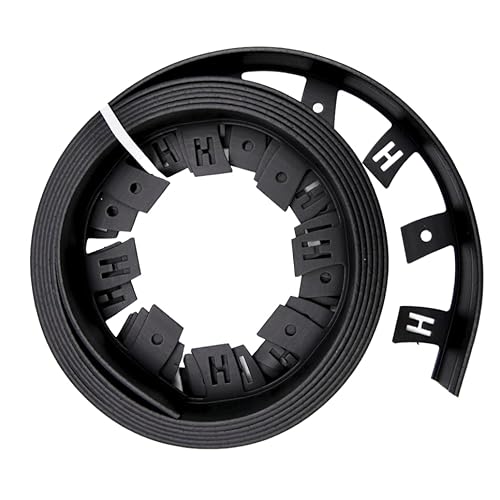
Another key indicator of pavers sinking is the presence of pooling water and erosion around the paved surface. When water accumulates and remains stagnant instead of draining properly, it exerts pressure on the pavers, causing them to sink into the softened subgrade. Additionally, erosion around the edges of the pavers can signal inadequate support, leading to gradual sinking and displacement. By observing these signs of water pooling and erosion, we can implement effective drainage solutions and erosion control measures to mitigate further sinking and preserve the integrity of the paved area.
Preventative Measures to Avoid Sinking Pavers
Choosing the Right Materials
When it comes to preventing sinking pavers, selecting the right materials is crucial. As landscape designers, we recommend opting for high-quality pavers that are durable and resistant to shifting. Look for interlocking pavers that offer stability and can better withstand environmental factors that may cause sinking. By investing in good materials from the start, we can proactively reduce the risk of pavers sinking over time.
Professional Installation Versus DIY
While some may consider a do-it-yourself approach for installing pavers, we emphasize the importance of professional installation. Our experience as landscape designers has shown us that professional installers have the expertise and tools to ensure proper compaction, leveling, and drainage during the installation process. This meticulous attention to detail is vital in preventing pavers from sinking prematurely. Opting for professional installation not only saves time and effort but also minimizes the chances of future issues such as sinking pavers, ensuring a long-lasting and stable outdoor space.
Repairing Sunk Pavers: Steps to Take
Assessing the Extent of the Problem
When dealing with sunk pavers in outdoor spaces, our first step is to assess the extent of the problem. We carefully examine the affected area to determine the cause of the sinking. This evaluation includes identifying any underlying issues such as poor compaction, inadequate drainage, or environmental factors like tree roots.
The Lift and Relay Method
One effective approach we often use to repair sunk pavers is the lift and relay method. This method involves carefully lifting the sunken pavers, addressing the underlying cause, and then relaying them properly. By addressing the root cause of the sinking and ensuring proper compaction and leveling during the relay process, we can restore the stability and functionality of the paved area.





By following these steps and leveraging our expertise in landscape design, we can effectively repair sunk pavers and restore the beauty and integrity of outdoor spaces.
Conclusion
Ensuring a well-prepared subgrade and proper compaction are key factors in preventing pavers from sinking. By addressing installation techniques, drainage systems, and environmental influences like soil moisture and tree roots, we can maintain the stability of outdoor spaces. Opting for high-quality, interlocking pavers and professional installation enhances durability and resistance to shifting. Remember, professional expertise and tools play a crucial role in achieving proper compaction, leveling, and drainage, leading to a long-lasting outdoor environment. When faced with sunk pavers, assess the issue, utilize the lift and relay method, and consider landscape design expertise for effective restoration. By implementing these strategies, we can enjoy stable, beautiful outdoor spaces for years to come.