Have you noticed your outdoor pavers starting to show signs of wear and tear? Knowing when to replace pavers can help maintain the beauty and functionality of your outdoor space. In our upcoming article, we’ll explore key indicators that signal it’s time to consider replacing your pavers.

From cracks and uneven surfaces to fading colors and shifting patterns, various factors can impact the lifespan of your pavers. By being aware of these signs, we can take proactive steps to address any issues and enhance the durability of our outdoor surfaces. Join us as we delve into the world of paver maintenance and learn when it’s best to invest in replacements for a long-lasting, aesthetically pleasing outdoor area.
Recognizing the Signs That It’s Time to Replace Pavers
Visible Wear and Tear
When inspecting outdoor pavers, we look for visible wear and tear as a clear sign that replacement might be necessary. Watch out for cracks, chips, or extensive damage on the paver surface. These issues not only compromise the aesthetics of your outdoor space, but they can also pose safety hazards. If you notice multiple damaged pavers, it’s a good indication that it’s time to consider replacing them to maintain both the look and functionality of your outdoor area.
Erosion and Settling Issues
Erosion and settling problems can significantly impact the stability and longevity of your pavers. If you observe areas where pavers have sunk or shifted from their original position, it’s crucial to address these issues promptly. Settlement can occur due to poor installation, drainage problems, or simply the passage of time. When left unattended, these issues can worsen, leading to uneven surfaces and potential tripping hazards. By addressing erosion and settling problems early on, you can prevent further damage and extend the lifespan of your outdoor pavers.
Weed Growth Between Pavers
Weed growth between pavers not only detracts from the visual appeal of your outdoor space but also indicates potential underlying problems. Weeds can thrive in the gaps between pavers due to insufficient joint sand, poor installation, or ineffective weed control measures. If weeds are consistently sprouting through the paver joints, it may be time to consider replacing the pavers. Additionally, persistent weed growth can indicate issues with the base material or drainage, which can affect the structural integrity of the entire paved area. Addressing weed growth promptly and considering paver replacement where necessary can help maintain a clean and uniform look for your outdoor space.
Assessing the Damage: When Repair Is Not Enough
Minor Vs. Major Cracks
When inspecting outdoor pavers, we consider the distinction between minor and major cracks. Minor cracks, usually hairline in size, may not necessarily warrant immediate replacement. These small cracks can often be addressed through simple repairs such as filling with polymeric sand or sealant. However, major cracks, especially those wider than a quarter inch, could indicate more significant structural issues. If we notice major cracks that compromise the integrity and stability of the paver surface, it’s crucial to assess whether repair efforts will suffice or if replacement is the safer long-term solution.
The Impact of Weather on Paver Longevity
Our experience as landscape designers underscores the significant role weather plays in the lifespan of outdoor pavers. Harsh weather conditions like extreme heat, freezing temperatures, heavy rain, or snow can accelerate wear and tear on pavers. Prolonged exposure to such elements can cause pavers to shift, crack, or lose color over time. When evaluating the condition of outdoor pavers, we take into account the prevailing weather patterns in the region. If we observe extensive damage attributed to weather-related factors, it’s essential to recognize when repairs alone may not be sufficient to restore the pavers’ functionality and aesthetics. In such cases, opting for paver replacement might be the most practical choice to ensure the long-term durability and visual appeal of the outdoor space.
The Longevity of Different Paving Materials
As landscape designers, we understand the significance of selecting the right paving materials to ensure longevity and enhance the aesthetics of outdoor spaces. Different paving materials offer varying degrees of durability and lifespan, influencing the decision on when to replace them. Let’s delve into the longevity of concrete, brick, and stone pavers to guide you in making informed choices for your outdoor projects.
Concrete Pavers
Concrete pavers are a popular choice due to their affordability, versatility, and durability. When properly installed and maintained, concrete pavers can last for decades. Factors such as the quality of the concrete mix, installation techniques, and ongoing care play a crucial role in determining their longevity.
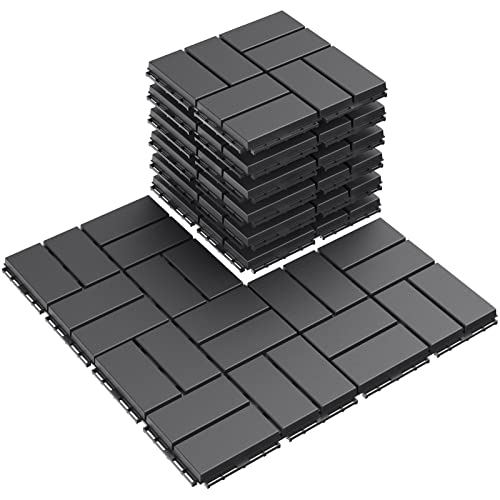
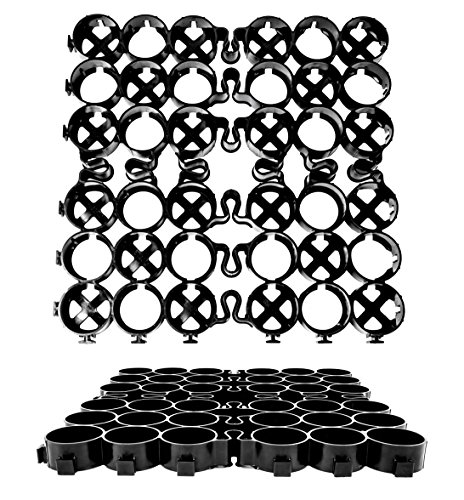
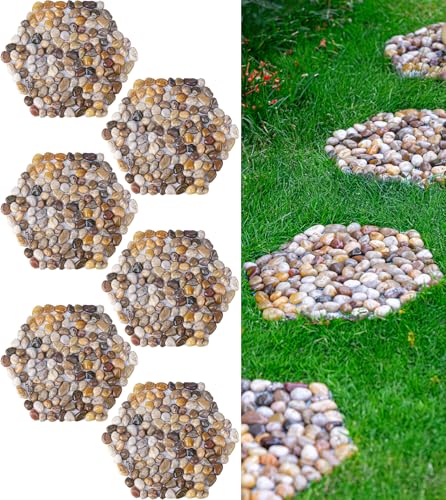


Regular cleaning, sealing, and addressing minor issues promptly can extend the lifespan of concrete pavers. However, over time, exposure to harsh weather conditions, heavy traffic, and inadequate maintenance can result in wear and deterioration. Signs such as deep cracks, extensive fading, or substantial surface damage indicate the need for replacement to uphold the integrity and appearance of the outdoor space.
Brick Pavers
Brick pavers exude a timeless charm and are known for their durability and classic appeal. With proper maintenance and occasional repairs, brick pavers can last for generations, adding character to any outdoor setting. The durability of brick pavers stems from their resistance to fading, cracking, and gradual wear.
Although brick pavers are inherently robust, factors like soil shifting, tree roots, and extreme weather may impact their longevity. It’s essential to monitor the condition of brick pavers regularly and address any issues promptly to prevent extensive damage. When major cracks, significant color changes, or uneven surfaces become prevalent, considering replacement ensures the structural integrity and visual appeal of the paved area.
Stone Pavers
Stone pavers are renowned for their natural beauty, strength, and unique textures, making them a premium choice for outdoor paving projects. Stones like granite, limestone, and travertine offer exceptional durability and a luxurious aesthetic that can withstand the test of time with proper care.
The longevity of stone pavers is attributed to their resistance to harsh weather elements, heavy loads, and color retention properties. Through routine cleaning, resealing, and addressing minor damages, stone pavers can maintain their elegance for years. However, factors like shifting foundations, erosion, or prolonged neglect can necessitate replacement to preserve the structural integrity and elegance of the outdoor space.





Economic Considerations for Paver Replacement
As landscape designers, we understand the importance of balancing costs and benefits when considering whether to repair or replace outdoor pavers.
Cost-Benefit Analysis of Repair Vs. Replacement
When looking at repairing versus replacing pavers, we carefully evaluate the overall cost involved. Repairing minor issues like small cracks or color fading can be a cost-effective solution, preserving the existing investment in your outdoor space. Simple fixes such as using polymeric sand or applying a sealant can restore the pavers’ appearance and functionality without breaking the bank.
On the other hand, major issues like wide cracks or extensive damage may warrant complete paver replacement. While this option involves a higher initial cost, it can provide long-term benefits in terms of durability and aesthetics. By investing in new pavers, you ensure a fresh, uniform look that enhances the overall appeal of your outdoor area.
Increasing Property Value With New Pavers
One significant consideration when deciding on paver replacement is the potential impact on your property value. Upgrading to new, high-quality pavers can significantly enhance the curb appeal of your home. Fresh, well-maintained pavers can attract potential buyers and increase the overall value of your property.
By choosing to replace worn-out or damaged pavers with new, modern options, you not only improve the aesthetics of your outdoor space but also make a smart investment in your property’s value. Investing in quality pavers can pay off in the long run by creating an inviting and visually appealing outdoor environment that adds to your property’s overall charm.
« Discover the Ultimate Sandstone Paving Secret for Unbeatable Durability Discover the Ultimate Showdown: Wood Decks vs. Pavers – Which Reigns Supreme? »
Planning Your Paver Replacement Project
As landscape designers, we understand the importance of proper planning when it comes to replacing outdoor pavers. It’s crucial to consider various factors to ensure a successful project that enhances the beauty of your outdoor space. Let’s delve into the key aspects of planning your paver replacement project.
Choosing the Right Time of Year
When considering replacing your pavers, timing is essential. Opting for the right time of year can make a significant difference in the success of your project. Spring and fall are generally ideal seasons for paver replacement projects. These seasons offer moderate temperatures that are conducive to the installation process and allow the pavers to set properly without the extreme heat of summer or the freezing temperatures of winter.
Selecting New Pavers
Selecting the right pavers for your replacement project is a crucial decision that can significantly impact the aesthetics and durability of your outdoor space. There is a wide variety of paver materials available, including concrete, brick, and stone, each offering unique benefits and appearance. Consider factors such as your desired aesthetic, durability requirements, and budget when selecting new pavers. Our expertise can help you choose the perfect pavers that align with your vision and practical needs.
Hiring Professionals Vs. DIY
Deciding between hiring professionals and DIY installation is a key consideration for your paver replacement project. While DIY can be a cost-effective option, paver installation requires precision and expertise to ensure longevity and proper function. Hiring experienced professionals ensures that the project is completed efficiently and with high-quality results. Our team has the skills and knowledge to handle all aspects of your paver replacement project, providing you with peace of mind and a stunning outdoor space.
Conclusion
When it comes to replacing pavers, it’s essential to keep an eye out for signs of wear and tear and consider the economic benefits of upgrading. Planning a paver replacement project involves selecting the right materials and deciding on the best installation approach. By focusing on timing, aesthetics, and durability, we can create a visually appealing outdoor space that adds value to our property. Expert planning and execution are key to achieving long-lasting results that we can enjoy for years to come.