Gardening has always been a passion of mine, and watching plants thrive brings me immense joy. However, achieving that lush, vibrant garden isn’t always straightforward. I’ve learned that the secret often lies beneath the surface—literally.

Soil amendments play a crucial role in ensuring plants receive the nutrients they need to grow strong and healthy. By enhancing the soil’s structure and fertility, these additions can transform your garden from good to great. Whether you’re a seasoned gardener or just starting out, understanding how to use soil amendments effectively can make all the difference.
Join me as we explore the essentials of soil amendments and discover how to create the perfect foundation for your plants to flourish.
Understanding Soil Amendments
Soil amendments enhance soil properties, promoting healthy plant growth. They improve soil structure, drainage, and nutrient availability, essential for a thriving garden.
Types of Soil Amendments
- Organic Matter
Compost, aged manure, and leaf mold enrich soil with essential nutrients and improve its texture.
- Mineral Amendments
Lime adjusts pH levels, while gypsum enhances soil structure without altering acidity. Mulch
Straw, wood chips, and shredded bark retain moisture, suppress weeds, and regulate soil temperature.
Benefits of Using Soil Amendments
- Enhanced Fertility
Amendments supply vital nutrients like nitrogen, phosphorus, and potassium, supporting robust plant growth.
- Improved Drainage
Adding materials like perlite or sand prevents waterlogging, reducing root diseases.
- Increased Soil Aeration
Organic and inorganic amendments create air pockets, facilitating root respiration and microbial activity.



Choosing the Right Amendment
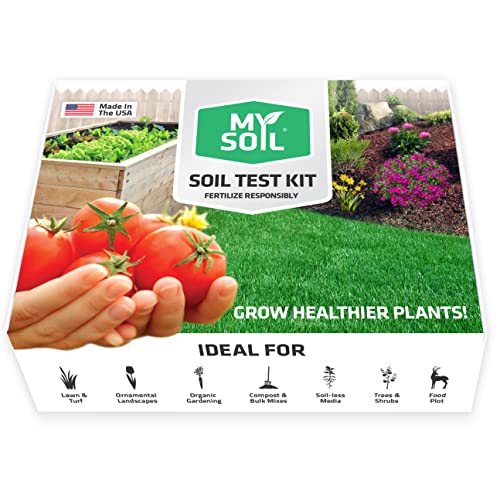
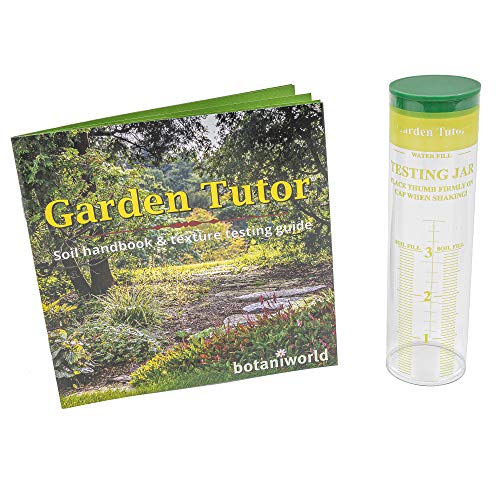
Selecting the appropriate amendment depends on soil tests and specific plant needs. Assessing nutrient deficiencies and soil texture guides effective amendment selection.
Application Methods
Incorporate amendments into the top six inches of soil using a garden fork or tiller. Applying during planting ensures immediate benefits for newly established plants.
Maintenance and Monitoring
Regularly test soil pH and nutrient levels to determine amendment needs. Adjust applications based on plant performance and soil health indicators.
| Amendment Type | Purpose | Common Sources |
|---|---|---|
| Organic Matter | Nutrient enrichment, texture | Compost, manure, leaf mold |
| Mineral | pH adjustment, structure | Lime, gypsum |
| Mulch | Moisture retention, weed control | Straw, wood chips, shredded bark |
By understanding and utilizing the right soil amendments, I create optimal conditions for my plants, ensuring a vibrant and productive garden.
Types of Soil Amendments
Soil amendments enhance soil properties, promoting optimal conditions for plant growth. They fall into two main categories: organic and inorganic amendments.



Organic Amendments
Organic amendments improve soil structure and fertility. Compost increases nutrient content and microbial activity. Aged manure provides essential nutrients like nitrogen, phosphorus, and potassium. Peat moss enhances water retention in sandy soils, while coconut coir offers similar benefits with better sustainability. Additionally, green manures, such as cover crops, add organic matter and prevent soil erosion.
Inorganic Amendments
Inorganic amendments modify soil chemistry and physical properties. Lime adjusts soil pH, making nutrients more available to plants. Gypsum improves soil structure and drainage in heavy clay soils. Perlite and vermiculite enhance aeration and water retention in potting mixes. Additionally, elemental sulfur can lower soil pH, benefiting acid-loving plants, while rock phosphate supplies phosphorus for root development.
Benefits for Plant Health
Using soil amendments offers multiple advantages that directly enhance plant health:
Enhanced Nutrient Availability
Amendments like compost and aged manure supply essential nutrients such as nitrogen, phosphorus, and potassium. These nutrients become more accessible to plants, supporting robust growth and development.
Improved Soil Structure
Incorporating organic matter improves soil texture, creating a crumbly structure that allows roots to penetrate easily. This structure promotes better root expansion and stronger plant anchorage.
« Maintaining a Topiary: Essential Tips and Tools for Stunning Garden Sculptures How to Care for a Moss Lawn: Essential Tips for a Lush, Low-Maintenance Yard »
Better Drainage and Aeration
Amendments such as perlite and gypsum enhance soil drainage, preventing waterlogging. Improved aeration ensures that plant roots receive adequate oxygen, reducing the risk of root diseases.
Increased Microbial Activity
Adding organic amendments fosters a thriving ecosystem of beneficial microorganisms. These microbes aid in decomposing organic material, releasing nutrients, and protecting plants from harmful pathogens.
pH Regulation
Lime adjusts acidic soils, while sulfur lowers pH in alkaline conditions. Maintaining an optimal pH level ensures that plants can efficiently absorb nutrients, leading to healthier growth.
Enhanced Water Retention
Materials like peat moss and coconut coir help retain moisture in the soil. Consistent water availability reduces plant stress during dry periods, promoting steady growth.
Disease and Pest Resistance
Healthy soil rich in organic matter strengthens plant immune systems. Stronger plants are more resilient against pests and diseases, resulting in a more productive garden.
Sustainable Growth
Using natural soil amendments supports sustainable gardening practices. Enhancing soil health reduces the need for chemical fertilizers, benefiting both plants and the environment.
| Benefit | Description |
|---|---|
| Nutrient Availability | Supplies essential nutrients for robust plant growth. |
| Soil Structure | Creates a crumbly texture for better root penetration. |
| Drainage & Aeration | Prevents waterlogging and ensures adequate oxygen for roots. |
| Microbial Activity | Fosters beneficial microorganisms that aid in nutrient release. |
| pH Regulation | Maintains optimal pH levels for efficient nutrient absorption. |
| Water Retention | Retains moisture, reducing plant stress during dry periods. |
| Disease Resistance | Strengthens plants’ immune systems against pests and diseases. |
| Sustainable Growth | Supports eco-friendly gardening by reducing the need for chemical fertilizers. |
Choosing the Right Soil Amendment
Selecting the right soil amendment optimizes your garden’s health. I focus on soil testing and plant-specific needs to make informed choices.
Soil Testing and Analysis
I perform soil tests to evaluate key factors:
- pH Levels: Identify acidity or alkalinity; most plants thrive between 6.0 and 7.0.
- Nutrient Content: Measure nitrogen, phosphorus, and potassium levels.
- Soil Texture: Assess proportions of sand, silt, and clay.
If pH adjustments are necessary, I use lime to raise it or sulfur to lower it. For nutrient deficiencies, compost or specific fertilizers address gaps effectively.
Plant-Specific Needs
Each plant has unique soil requirements:
- Root Vegetables: Prefer loose, well-draining soil; I add perlite or coarse sand.
- Acid-Loving Plants: Require lower pH; I incorporate peat moss or pine needles.
- Flowering Plants: Benefit from nutrient-rich amendments; I use aged manure or compost.
By matching amendments to each plant’s needs, I ensure robust and healthy growth.
Application Techniques
Applying soil amendments correctly ensures maximum benefits for your plants. Here are effective techniques to incorporate amendments into your garden:
1. Top Dressing
Top dressing involves spreading amendments evenly over the soil surface. This method is ideal for:
- Mulch Application: Use straw or wood chips to retain moisture.
- Compost Layering: Add a thin layer to enhance nutrient content.
Top dressing improves soil structure and provides ongoing nourishment without disturbing plant roots.
2. Incorporating into the Soil
Mixing amendments directly into the soil promotes deeper integration. Steps include:
- Digging and Turning: Use a shovel or tiller to blend compost or manure into the top 6 inches.
- Even Distribution: Ensure uniform application to prevent nutrient hotspots.
This technique enhances soil fertility and improves aeration, supporting robust root development.
3. Side Dressing
Side dressing applies amendments alongside plant rows. Suitable for:
- Vegetable Gardens: Apply compost or fertilizer near the base of growing plants.
- Perennial Beds: Add organic matter around established plants to maintain soil health.
Side dressing provides targeted nutrients, reducing competition with existing plants and promoting steady growth.
4. Liquid Amendments
Using liquid amendments offers quick nutrient uptake. Methods include:
- Foliar Spraying: Apply diluted solutions directly to plant leaves for immediate absorption.
- Soil Drenching: Pour liquids around the root zone to enhance nutrient availability.
Liquid applications are effective for addressing specific nutrient deficiencies promptly.
5. Mulching
Mulching conserves moisture and regulates soil temperature. Types of mulch include:
- Organic Mulch: Use materials like bark, leaves, or grass clippings to add organic matter as they decompose.
- Inorganic Mulch: Apply gravel or plastic sheeting to control weeds and maintain soil conditions.
Mulching also prevents soil erosion and suppresses weed growth, creating a stable environment for plant roots.
6. Timing and Frequency
Optimal timing and regular application maximize amendment effectiveness. Consider the following:
- Seasonal Application: Amend soil in early spring or fall when plants are not actively growing.
- Maintenance Schedule: Reapply organic matter annually to sustain soil health and fertility.
Proper timing ensures amendments integrate seamlessly with the natural growth cycles of your plants.
7. Tools and Equipment
Using the right tools enhances application efficiency. Essential tools include:
- Shovels and Rakes: For digging and spreading amendments evenly.
- Garden Forks: Ideal for mixing amendments into compacted soil.
- Spreaders and Sprayers: Facilitate precise application of granular or liquid amendments.
Investing in quality tools streamlines the amendment process, making garden maintenance more manageable.
8. Measuring and Dosage
Accurate measurement ensures appropriate amendment levels. Steps include:
- Soil Testing: Determine nutrient needs and pH levels before application.
- Following Guidelines: Use recommended amounts based on soil test results and amendment type.
Proper dosage prevents over-amendment, which can harm plants and disrupt soil balance.
Implementing these application techniques promotes a healthy, fertile soil environment, leading to thriving and resilient plants in your garden.
Conclusion
Gardening has always been my sanctuary and seeing my plants thrive is incredibly rewarding. Choosing the right soil amendments has made a world of difference in my garden’s health and productivity. It’s amazing how simple changes to the soil can lead to stronger roots and vibrant blooms. I encourage you to experiment with different amendments and find what best suits your garden’s unique needs. Watching your plants flourish with a little extra care and the right soil makes all the effort worthwhile. Happy gardening!