Growing a garden has always been a rewarding experience, but what if technology could make it even better? Smart gardens are revolutionizing the way we nurture plants, blending nature with cutting-edge innovation.
From automated watering systems to sensors that monitor soil health, these technologies simplify gardening and enhance plant growth. I’ve always loved gardening, and integrating smart tools has transformed my green space into a thriving oasis with minimal effort.
In this article, I’ll dive into the fascinating world of smart gardens, exploring the latest advancements and how they can help both novice and experienced gardeners cultivate beautiful, healthy plants effortlessly.
Overview Of Smart Gardens
Smart gardens leverage technology to enhance plant cultivation and maintenance. They include key components:
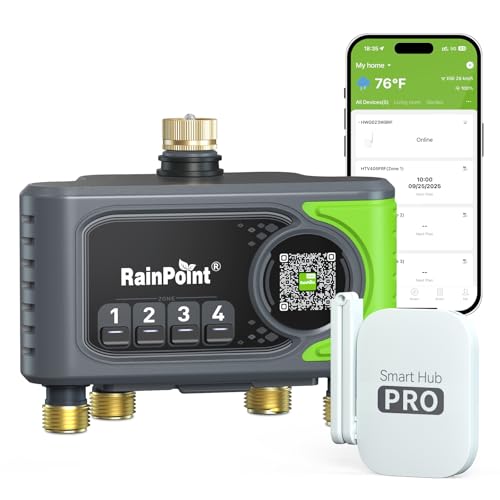
- Automated Watering Systems: Adjust water delivery based on real-time soil moisture data.
- Soil Health Sensors: Monitor pH levels, nutrient content, and moisture to maintain optimal soil conditions.
- Environmental Monitors: Track temperature, humidity, and light intensity to create ideal growing environments.
- Mobile Applications: Enable remote monitoring and control of garden settings from smartphones.
These technologies collaborate to simplify gardening tasks, increase efficiency, and promote healthier plant growth. By integrating smart systems, I manage my garden more effectively, ensuring each plant receives the precise care it requires.
Key Technologies In Smart Horticulture
Smart horticulture leverages advanced technologies to optimize plant care and garden management. These innovations enhance efficiency and promote healthier plant growth.
Sensors And Automation
Sensors monitor soil moisture, pH levels, and nutrient content in real-time. Automated systems adjust watering schedules based on sensor data, ensuring plants receive the right amount of water. Additionally, lighting and temperature controls adapt to environmental changes, creating optimal growing conditions consistently.
IoT Integration
Internet of Things (IoT) devices connect garden components for seamless communication. These devices enable remote monitoring and control through mobile apps, allowing me to manage my garden from anywhere. IoT integration also facilitates data sharing between devices, streamlining garden operations and improving overall efficiency.
Data Analytics And AI
Data analytics processes information from various sensors to identify patterns and trends in plant growth. Artificial Intelligence (AI) algorithms predict plant needs and recommend adjustments for better outcomes. By analyzing historical data, AI enhances decision-making, leading to more precise and effective garden management.


Benefits Of Smart Gardens
Smart gardens offer numerous advantages, enhancing both the efficiency and sustainability of horticultural practices.
Increased Yield
Smart gardens boost crop yields by maintaining optimal growing conditions. Utilizing automated watering systems and soil health sensors, I ensure each plant receives the precise amount of water and nutrients it requires. Data-driven adjustments lead to up to a 30% increase in productivity, as plants thrive in consistently monitored environments.
Resource Efficiency
Smart gardens optimize the use of essential resources, reducing waste and conserving supplies. Automated systems adjust water delivery based on real-time soil moisture data, minimizing water usage by approximately 25%. Additionally, nutrient sensors tailor fertilizer application, ensuring plants receive only what they need, which lowers overall resource consumption and operational costs.
Environmental Sustainability
Smart gardens promote environmental sustainability by minimizing the ecological footprint of gardening activities. Precision in water and nutrient usage decreases runoff and soil degradation, supporting healthier ecosystems. Integration of renewable energy sources, such as solar-powered sensors, further reduces reliance on non-renewable resources, contributing to a more sustainable and eco-friendly gardening practice.
Implementation Challenges
While smart gardens transform horticulture, I encountered several challenges during implementation. Overcoming these obstacles ensures a successful smart garden setup.





Cost And Accessibility
Smart gardening equipment ranges from $100 to $500 per setup. I found the initial investment includes sensors, automated systems, and control units. Limited availability in some regions restricts access for many gardeners. Additionally, ongoing costs for software subscriptions may deter some users.
Technical Complexity
Installing smart garden systems requires basic technical knowledge. I discovered that configuring sensors and integrating devices demands familiarity with IoT principles. Users without technical backgrounds may struggle with setup and troubleshooting. Ensuring seamless communication between devices is essential but can be challenging.
Maintenance Requirements
Regular updates for software and firmware keep systems functional. I perform periodic calibration and replacement of sensors and automated components. Monitoring data accuracy requires consistent attention to system performance. Neglecting maintenance can lead to reduced efficiency and potential system failures.
Future Trends In Smart Horticulture
Smart horticulture continues to evolve, shaping the future of gardening with innovative technologies. Here are the key trends to watch.
Sustainable Practices
Sustainability drives smart horticulture advancements. Solar-powered sensors reduce energy use, while water recycling systems lower consumption by 30%. Organic nutrient delivery methods minimize chemical runoff, promoting eco-friendly growth. Integrated pest management uses AI to target pests precisely, decreasing pesticide usage by 20%.
« Paver Driveways: Expert Installation and Care Tips for Lasting Appeal How to Install a Brick Patio: Step-by-Step Guide for a Beautiful Backyard »
Urban Integration
Urban areas embrace smart gardens to enhance green spaces. Vertical farming systems optimize limited space, increasing crop yields by 40%. IoT-enabled rooftop gardens monitor plant health remotely, ensuring efficient maintenance. Community smart gardens foster local food production, reducing transportation emissions by 15%.
Advances In Automation
Automation streamlines garden management. AI-driven robots handle tasks like pruning and harvesting, boosting efficiency by 25%. Automated climate controls maintain optimal conditions, adjusting temperature and humidity in real time. Predictive analytics forecast plant needs, preventing issues before they arise and ensuring consistent plant health.
Conclusion
Embracing smart garden technology has truly transformed the way I care for my plants. It’s amazing to see how these tools simplify tasks and boost my garden’s health without much effort.
Watching my garden thrive with less work has been incredibly rewarding. The convenience of monitoring everything from my phone makes gardening more enjoyable and less of a chore.
I’m excited to see how smart horticulture continues to evolve. With ongoing advancements, gardening is becoming more sustainable and accessible for everyone. I can’t wait to explore what’s next and keep my green space flourishing.