So, you’ve decided it’s time to give your outdoor space a facelift by pressure washing your pavers. When it comes to restoring the beauty of your walkways, patios, or driveways, understanding the right pressure washers and psi levels is key. We all want our outdoor areas to look pristine, and using the correct psi can make a significant difference in achieving those results.
When we talk about pressure washing pavers, the psi (pounds per square inch) of the pressure washer plays a crucial role. It’s not just about blasting away dirt; it’s about finding the balance between powerful cleaning and preserving the integrity of your pavers. So, before you start revamping your outdoor oasis, let’s delve into the world of pressure washers and psi levels to ensure your pavers get the treatment they deserve.
Understanding Pressure Washing and PSI
What is Pressure Washing?
As landscape designers, we understand the transformative power of pressure washing when it comes to revitalizing outdoor spaces. Pressure washing is a method that uses high-pressure water to remove dirt, grime, mold, and other impurities from surfaces like pavers. By utilizing the force of the water, we can effectively clean various outdoor elements, including walkways, patios, and driveways. This cleaning process not only enhances the visual appeal of the space but also helps maintain the durability of the pavers.
Understanding PSI and Its Importance
When it comes to pressure washing, one crucial factor to consider is PSI, which stands for pounds per square inch. PSI indicates the amount of pressure exerted by the water stream on the surface being cleaned. As landscape designers, we acknowledge that the right combination of pressure and technique is essential to achieve optimal results without damaging the pavers.
Maintaining an appropriate PSI level is vital in striking a balance between thorough cleaning and safeguarding the integrity of the pavers. It’s crucial to understand that different surfaces require different PSI levels to prevent unwanted damage. By adjusting the PSI based on the type of pavers and the level of grime buildup, we ensure that the cleaning process is effective and safe for the outdoor space.
In our landscaping projects, we always prioritize the proper understanding and application of PSI to deliver exceptional results that not only enhance the aesthetics of the outdoor area but also prolong the lifespan of the pavers.
The Best PSI for Pressure Washing Pavers
As landscape designers, we understand the importance of selecting the right PSI when pressure washing pavers to ensure effective cleaning without causing damage. Here, we delve into the factors influencing the ideal PSI and provide a recommended PSI range for pavers.
Factors Influencing the Ideal PSI
When determining the ideal PSI for pressure washing pavers, several factors come into play to achieve optimal results. Firstly, the type of pavers used in the outdoor space will dictate the appropriate pressure level. For softer pavers like clay or sandstone, a lower PSI is recommended to prevent erosion and chipping. On the other hand, concrete or brick pavers can withstand higher pressure levels but still require care to avoid surface damage.
Secondly, the level of grime buildup on the pavers influences the PSI setting. Light dirt and dust may only require a moderate PSI for thorough cleaning, while stubborn stains or mold will need a higher pressure to effectively remove them. By adjusting the PSI according to the extent of dirt and grime, we can achieve a balance between powerful cleaning and paver protection.


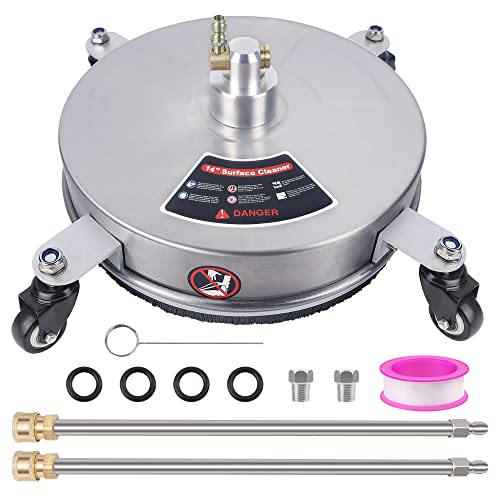
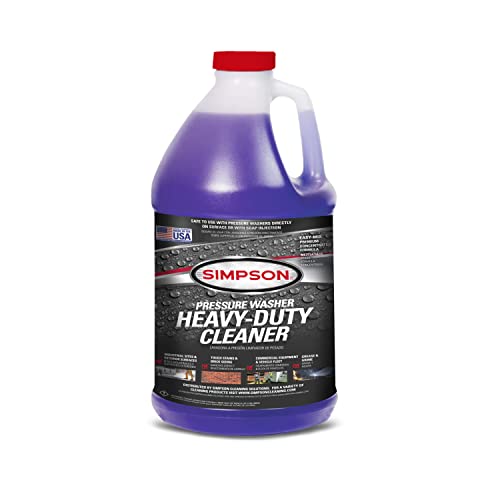

Lastly, consider the surrounding environment when determining the ideal PSI. If the pavers are located near delicate plants, delicate surfaces, or painted areas, using a lower PSI is crucial to prevent any collateral damage during the cleaning process. We always pay close attention to these factors to ensure that our pressure washing projects are not only effective but also safe for the surrounding landscape.
Recommended PSI Range for Pavers
Based on our experience as landscape designers, we recommend a PSI range of 1500 to 2500 for most paver materials. This range strikes a balance between effective cleaning and paver protection, making it suitable for a wide variety of surfaces. However, it’s essential to start at the lower end of the range and gradually increase the pressure as needed while monitoring the paver’s condition.
For softer paver materials like sandstone or limestone, we suggest starting with a PSI of around 1500 to prevent damage to the surface. For more durable materials such as concrete or brick, a PSI ranging from 2000 to 2500 can effectively remove tough stains without compromising the paver’s integrity.
By considering these factors and utilizing the recommended PSI range, we can ensure that pressure washing pavers not only enhances the visual appeal of outdoor spaces but also prolongs the lifespan of the pavers, creating a clean and inviting environment for our clients to enjoy.
Preparing to Pressure Wash Your Pavers
Safety Measures and Equipment
When we prepare to pressure wash pavers, ensuring safety measures are in place is our top priority. Before beginning the cleaning process, we always wear protective gear such as goggles and gloves to shield ourselves from debris and cleaning agents. This helps us avoid any accidents and ensures a safe cleaning experience. Additionally, using the right equipment, including a pressure washer with adjustable PSI settings and suitable nozzle attachments, allows us to control the pressure based on the type of pavers being cleaned. We always follow the manufacturer’s instructions for the pressure washer to operate it safely and effectively.





Pre-cleaning and Setup
Before diving into pressure washing, proper pre-cleaning and setup are essential for achieving the best results. We start by removing any debris, loose dirt, or vegetation from the pavers using a broom or leaf blower. This initial step prevents clogging and allows for a more thorough cleaning process. Next, we inspect the pavers for any cracks, loose joints, or damage that may require repair before pressure washing. Once the pavers are inspected and cleaned, we prepare the surrounding area by covering delicate plants or items that could be affected by the cleaning process. Taking these steps ensures a smooth and efficient pressure washing experience, resulting in beautifully cleaned pavers without any unwanted mishaps.
Step-by-Step Guide to Pressure Washing Pavers
Assessing the Area and Paver Material
When pressure washing pavers, we, as landscape designers, always begin by carefully assessing the area and the type of paver material present. Different paver materials such as clay, concrete, or brick have varying levels of durability and can withstand different PSI levels. Clay pavers, for instance, are more delicate and require a lower PSI setting to avoid damage. On the other hand, concrete or brick pavers are more robust and can tolerate higher pressure.
Adjusting Your Pressure Washer Settings
To ensure an effective cleaning process, we adjust the pressure washer settings based on our assessment. Typically, we recommend starting at a lower PSI setting, around 1500, and gradually increasing it if necessary. This approach helps us achieve optimal cleaning results while safeguarding the integrity of the pavers. Adapting the pressure washer settings to suit the specific paver material and the level of grime buildup is essential for a successful cleaning operation.
Effective Washing Techniques
In our experience as landscape designers, we have found that employing effective washing techniques is key to obtaining pristine results when pressure washing pavers. One technique we commonly use is to maintain a consistent distance between the pressure washer nozzle and the pavers to ensure uniform cleaning. Additionally, we move the pressure washer wand in smooth, overlapping motions to avoid streaks or missed spots.
By following these steps and techniques, we guarantee a thorough and safe pressure washing process that revitalizes outdoor spaces and enhances the overall aesthetic appeal of the pavers.
« Unveiling the Ultimate Guide to Crafting Stunning Paver Steps – Your Outdoor Oasis Awaits Unlock the Secret Formula: Calculate Pavers Per Square Meter Like a Pro »
Maintaining Pavers After Pressure Washing
Sealing for Protection
When it comes to maintaining the pristine look of your newly pressure-washed pavers, sealing them is a crucial step in ensuring long-lasting protection. Sealing the pavers not only enhances their color and appearance but also provides a barrier against stains, water penetration, and mold growth.
After pressure washing the pavers and allowing them to dry completely, we recommend applying a quality paver sealer using a sprayer or roller. Make sure to choose a sealer specifically designed for the type of pavers you have, whether they are concrete, brick, or natural stone. Follow the manufacturer’s instructions for application and allow sufficient drying time before walking or placing furniture on the surface.
Regularly inspect the sealed pavers for signs of wear or fading, and reapply the sealer as needed to maintain their protection and beauty throughout the seasons. By incorporating sealing into your paver maintenance routine, you can extend their lifespan and keep them looking fresh for years to come.
Routine Cleaning Tips
In addition to pressure washing and sealing, incorporating routine cleaning practices can help preserve the cleanliness and integrity of your pavers over time. Simple steps like sweeping or blowing debris off the surface regularly can prevent dirt buildup and maintain the pavers’ appearance.
For areas with heavy foot traffic or where stains are more likely to occur, consider spot cleaning with a mild detergent or specialized paver cleaner. Avoid using harsh chemicals or high-pressure washing for routine maintenance, as these may strip away the sealer and damage the pavers’ surface.
Periodically inspect the pavers for weeds, moss, or algae growth between the joints, and address these issues promptly to prevent them from spreading and causing damage. Use a stiff brush or pressure washer on a low setting to remove any unwanted vegetation and maintain the neat look of your outdoor space.
By incorporating these routine cleaning tips into your maintenance regimen, you can prolong the lifespan of your pavers, enhance their visual appeal, and enjoy a clean and inviting outdoor environment for years to come.
Common Mistakes to Avoid While Pressure Washing
Using Excessive Pressure
When pressure washing pavers, one common mistake we see is using excessive pressure. It’s important to remember that more pressure isn’t always better. High pressure can damage the surface of the pavers, leading to erosion, chipping, or even permanent etching. Instead, we recommend starting with a lower pressure setting and gradually increasing as needed. By adjusting the pressure based on the grime level and type of pavers, we can effectively clean without causing harm.
Ignoring Manufacturer Guidelines
Ignoring manufacturer guidelines is another critical error to avoid when pressure washing pavers. Each type of paver material has specific maintenance requirements, including recommended PSI levels. By disregarding these guidelines, we risk damaging the pavers and voiding any warranties. It’s essential to consult the manufacturer’s instructions to determine the appropriate PSI range and cleaning techniques for the specific pavers installed. Following these guidelines ensures a safe and effective pressure washing process that preserves the pavers’ durability and appearance.
Conclusion
Ensuring the right PSI levels when pressure washing pavers is key to maintaining their longevity and appearance. By avoiding common mistakes like excessive pressure and disregarding manufacturer guidelines, we can protect our pavers from damage and warranty issues. Following proper cleaning techniques and post-pressure washing maintenance, such as sealing and routine upkeep, will keep our outdoor spaces looking fresh and vibrant. Remember, a little care goes a long way in preserving the beauty and integrity of your pavers.