Thinking about upgrading your outdoor space with permeable pavers? We’ve got you covered! Permeable pavers are a popular choice for eco-conscious homeowners looking to enhance their driveways, patios, or walkways. In this article, we’ll explore the advantages and disadvantages of using permeable pavers in your landscaping projects.

From reducing water runoff to preventing erosion, permeable pavers offer a range of benefits that can transform your outdoor living areas. However, like any landscaping option, they come with their own set of drawbacks. Join us as we delve into the pros and cons of permeable pavers, helping you make an informed decision for your next project.
Understanding Permeable Pavers
What Are Permeable Pavers?
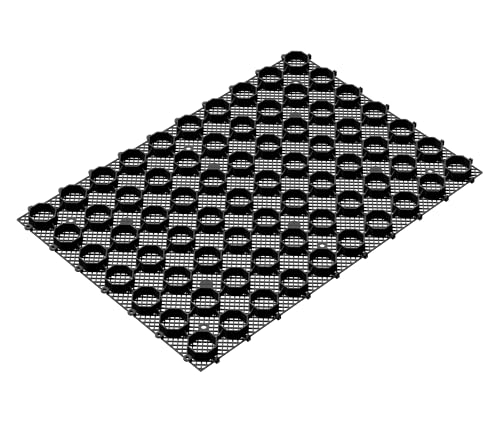
When we talk about permeable pavers, we refer to an environmentally-friendly paving option designed to tackle runoff issues. These pavers are specifically crafted to allow water to infiltrate into the ground naturally, reducing the strain on storm drains and preventing water wastage. They come in various materials like concrete, brick, or even recycled materials, offering both aesthetics and functionality.
How Do Permeable Pavers Work?
Permeable pavers operate on a simple yet effective principle. They feature a porous surface or built-in spacers that create gaps, enabling rainwater to pass through. This water then filters down through layers of gravel or sand beneath the pavers, removing pollutants and recharging the groundwater. By facilitating this natural filtration process, permeable pavers help in controlling stormwater runoff, replenishing underground water reservoirs, and reducing the risk of flooding in urban areas.
The Pros of Permeable Pavers
Environmental Benefits
As landscape designers, we appreciate the environmental advantages of using permeable pavers in outdoor spaces. These pavers play a crucial role in reducing water runoff, preventing erosion, and addressing stormwater issues. By allowing water to infiltrate the ground naturally, permeable pavers lessen the load on storm drains and contribute to water conservation efforts. This eco-friendly solution helps minimize environmental impact while promoting sustainable landscaping practices.
Water Management
One of the significant advantages of permeable pavers is their efficiency in managing water. These pavers are designed to enable rainwater to filter through their porous surfaces or built-in spacers. This feature promotes natural filtration processes, allowing water to percolate into the ground and recharge groundwater reservoirs. By reducing stormwater runoff and assisting in flood control, permeable pavers are integral to sustainable water management strategies in outdoor design projects.
Durability and Maintenance
When it comes to durability and maintenance, permeable pavers stand out as a reliable option for outdoor surfaces. Available in materials like concrete, brick, or recycled materials, these pavers offer longevity and strength. Their sturdy construction ensures they can withstand varying weather conditions and heavy foot traffic. Additionally, the maintenance of permeable pavers is relatively straightforward, requiring occasional cleaning to maintain optimal functionality. This durability factor makes permeable pavers a practical and long-lasting choice for landscaping projects.
Aesthetic Appeal
We understand the importance of not only functionality but also aesthetic appeal in outdoor design. Permeable pavers seamlessly blend beauty with purpose, offering a wide range of design options to suit various landscaping styles. Whether you prefer a classic look with brick pavers or a modern touch with concrete designs, permeable pavers provide versatility in enhancing the visual appeal of outdoor spaces. Their ability to combine aesthetic charm with environmental benefits makes them a favored choice for homeowners looking to create sustainable and visually appealing landscapes.
By incorporating permeable pavers into landscaping projects, we can achieve a harmonious balance between environmental consciousness, water management efficiency, durability, and aesthetic appeal in outdoor design.




The Cons of Permeable Pavers
Initial Costs
When considering the utilization of permeable pavers in landscaping projects, one of the drawbacks to take into account is the initial costs involved. Upfront expenses for permeable pavers can be higher than traditional paving options due to the specialized materials and installation techniques required. This aspect may necessitate a higher budget allocation for landscaping projects using permeable pavers.
Installation Considerations
Installing permeable pavers requires meticulous planning and expertise in the specialized techniques involved. Ensuring proper installation is crucial to maintain the pavers’ effectiveness in managing water infiltration. Improper installation may lead to issues such as**** uneven surfaces or inadequate water permeation, compromising the functionality of the pavers.
Climate and Weather Limitations
It’s essential to consider the effect of climate and weather conditions on the performance of permeable pavers. In areas with frequent freezing temperatures, the pavers can be susceptible to damage if not installed or maintained correctly. Additionally, extreme weather events may affect the permeability of the pavers, impacting their ability to manage water runoff effectively.
Maintenance Requirements
While permeable pavers are known for their low maintenance nature, they still require periodic upkeep to ensure optimal functionality. Regular maintenance such as** cleaning debris and inspecting for** clogs is necessary to prevent clogging, which can hinder water infiltration through the pavers. Ongoing maintenance efforts are essential to prolong the lifespan and efficiency of permeable pavers in landscaping projects.
Comparing Permeable Pavers to Traditional Paving
Cost-Benefit Analysis
When assessing the cost-benefit of permeable pavers versus traditional paving options, we find that while the initial investment for permeable pavers is higher, the long-term benefits often outweigh this upfront cost. Permeable pavers are known for their ability to reduce stormwater runoff, minimize erosion, and replenish groundwater, contributing to a healthier environment. This eco-friendly approach aligns with sustainable landscape design practices, adding long-term value to your outdoor space.




In contrast, traditional paving materials like concrete or asphalt may result in increased water runoff, contributing to drainage issues and water pollution. While initially cheaper, traditional paving can lead to higher maintenance costs and environmental impacts over time. Therefore, when considering the cost-benefit analysis, it’s important to prioritize the long-term benefits and sustainability aspects of permeable pavers for a more environmentally conscious landscape design.
Long-Term Sustainability
In terms of long-term sustainability, permeable pavers are a superior choice compared to traditional paving methods. Their ability to manage stormwater effectively, reduce heat island effects, and promote groundwater recharge makes them a sustainable option for landscaping projects. By allowing water to infiltrate the ground, permeable pavers help maintain natural hydrological processes, supporting the health of surrounding ecosystems and minimizing water pollution.
On the other hand, traditional paving materials often contribute to environmental issues such as heat retention, water runoff, and soil compaction, negatively impacting the overall sustainability of the landscape. As landscape designers committed to sustainable practices, we recognize the importance of incorporating permeable pavers to enhance the ecological resilience of outdoor spaces and promote long-term environmental sustainability.
By prioritizing cost-effectiveness and sustainability in landscape design decisions, we can create functional and visually appealing outdoor environments that benefit both the property owner and the ecosystem. When comparing permeable pavers to traditional paving, the focus on long-term benefits and environmental impact guides our choices towards sustainable solutions that harmonize with nature.
Case Studies and Real-World Applications
Residential Use
When it comes to residential properties, permeable pavers offer a versatile solution for homeowners looking to incorporate sustainable and visually pleasing hardscaping elements into their outdoor spaces. We’ve witnessed firsthand how permeable pavers can transform driveways, patios, walkways, and even backyard landscapes into eco-friendly havens.
« Unveiling the Surprising Truth: How Heavy Are Paver Bricks Really? Unveiling the Ultimate Showdown: Pavers vs. Wood Decks – Which Wins the Battle for Your Outdoor Oasis? 🔥🏡💡 »
Our clients have appreciated the ability of permeable pavers to enhance the aesthetic appeal of their properties while also helping to manage stormwater effectively. By utilizing permeable pavers in residential landscaping projects, we’ve seen a noticeable reduction in flooding issues, erosion control, and improved groundwater recharge, creating a more sustainable environment for homeowners.
Additionally, the durability of permeable pavers has stood out as a significant benefit for residential use. Homeowners have been delighted with the long-term performance of these pavers, which require minimal maintenance compared to traditional paving methods. This ease of maintenance translates to cost savings and a more enjoyable outdoor living experience for our clients.
Commercial Implementations
In commercial settings, our experience with integrating permeable pavers into landscaping projects has been met with great success. Many businesses are now recognizing the value of incorporating sustainable design practices that not only benefit the environment but also contribute to a positive brand image.
We’ve worked on various commercial projects where permeable pavers have been instrumental in meeting stormwater management regulations and green building certifications. From parking lots to pedestrian plazas, the versatility of permeable pavers has allowed us to create functional and attractive outdoor spaces that prioritize both aesthetics and environmental responsibility.
Moreover, the cost-effectiveness of permeable pavers in commercial applications has been a significant selling point for our clients. While the initial investment may be slightly higher than traditional paving methods, the long-term benefits, such as reduced maintenance costs and improved stormwater management, make permeable pavers a smart choice for businesses looking to enhance their outdoor areas sustainably.
Urban Planning Success Stories
In the realm of urban planning, permeable pavers have emerged as a key solution for addressing environmental challenges in densely populated areas. We’ve been involved in urban projects where the implementation of permeable pavers has helped mitigate the heat island effect, improve air quality, and promote sustainable water management practices.
By incorporating permeable pavers into sidewalks, plazas, and other urban infrastructure elements, we’ve witnessed a positive impact on the overall quality of urban spaces. These success stories highlight the role of permeable pavers in creating more resilient and eco-conscious cities that prioritize the well-being of residents and the environment.
Overall, our experience with permeable pavers in residential, commercial, and urban settings has reinforced the importance of sustainable design practices in creating outdoor spaces that not only look beautiful but also contribute to a healthier planet for future generations.
Conclusion
We’ve explored the world of permeable pavers, uncovering their numerous advantages and considerations. From their eco-friendly attributes to their ability to manage water efficiently and enhance outdoor aesthetics, permeable pavers offer a range of benefits. However, it’s essential to weigh these against factors like initial costs, installation complexity, and maintenance requirements. Real-world applications in residential, commercial, and urban settings showcase the versatility and sustainability of permeable pavers. Whether it’s reducing flooding, controlling erosion, or promoting sustainable water management, these pavers play a crucial role in creating resilient and eco-conscious outdoor spaces. By embracing sustainable design practices, we pave the way for a greener future that harmonizes with both nature and modern living.