Choosing the perfect outdoor structure for your backyard can be tricky. I’ve often found myself torn between pergolas and pavilions, each offering unique benefits. It’s important to understand what fits best with your space and lifestyle.

Pergolas provide a charming support for climbing plants, adding a touch of elegance to any garden. On the other hand, pavilions offer more shelter and versatility, perfect for gatherings and relaxation. Let’s dive into the key differences to help you decide which one suits your needs best.
What Is a Pergola?
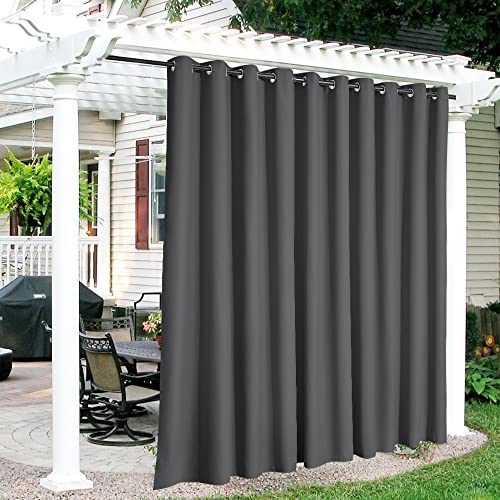
A pergola is an outdoor structure consisting of vertical posts supporting horizontal beams and an open lattice. It’s designed to add elegance and provide partial shade to your garden or patio.
Design and Structure
Pergolas typically feature a framework of wood, vinyl, or metal. The open lattice roof allows climbing plants like vines or flowers to grow, enhancing the aesthetic appeal. Standard dimensions range from 10×10 feet to larger custom sizes, accommodating various backyard spaces. I prefer pergolas with adjustable louvers for added flexibility in managing sunlight and shade.
Typical Uses
I use pergolas to create inviting outdoor spaces for relaxation and entertainment. They serve as perfect spots for dining areas, outdoor lounges, or garden pathways. Additionally, pergolas support overhead lighting and retractable canopies, making them versatile for both daytime and evening activities.
What Is a Pavilion?
A pavilion is a versatile outdoor structure that offers complete shelter. It’s ideal for enhancing your backyard with functional space.
Design and Structure
Pavilions feature a fully covered roof supported by columns or posts. They come in various materials like wood, metal, and vinyl, ensuring durability and aesthetic appeal. Designs range from traditional to modern, with options for open sides or partially enclosed walls. Many pavilions include built-in seating, lighting fixtures, and electrical outlets for added convenience.
Typical Uses
Pavilions serve multiple purposes in outdoor settings. They provide sheltered areas for:
- Dining: Hosting meals with friends and family.
- Entertainment: Organizing gatherings, parties, or events.
- Recreation: Creating spaces for relaxation, reading, or games.
- Gardening: Protecting plants and providing a workspace for gardening activities.
Pavilions also support outdoor amenities like heaters and fans, making them usable year-round.



Key Differences Between Pergolas and Pavilions
Pergolas feature open-roof designs with vertical posts supporting horizontal beams and an open lattice. They provide partial shade, enhancing garden aesthetics with climbing plants like vines or roses. Pavilions, however, offer complete shelter with fully covered roofs supported by sturdy columns. This design ensures protection from sun and rain, making pavilions ideal for various weather conditions.
Material choices set them apart further. Pergolas are typically crafted from wood, vinyl, or metal, allowing for versatile styling that complements different outdoor décors. Pavilions also use wood, metal, or vinyl but often include additional elements like built-in seating, lighting fixtures, and electrical outlets, increasing their functionality for gatherings and events.
Space requirements differ between the two structures. Pergolas generally occupy smaller areas, making them suitable for compact gardens or patios. Their size flexibility allows easy integration into existing landscapes. Conversely, pavilions usually require more space due to their larger footprint and enclosed design, providing ample room for dining, entertaining, or recreational activities.
Customization options highlight another key difference. Pergolas often feature adjustable louvers or retractable canopies, enabling control over sunlight and ventilation. This adaptability creates a comfortable environment for relaxation and entertainment. Pavilions offer more extensive customization, including options for open sides or partially enclosed walls. These features enhance versatility, supporting a wider range of outdoor uses and ensuring year-round usability.
Maintenance requirements also vary. Pergolas, with their simpler open structures, typically require less upkeep, focusing mainly on the materials used and any climbing plants. Pavilions, due to their more complex designs and additional features, may demand more regular maintenance to preserve their functionality and appearance.



| Feature | Pergolas | Pavilions |
|---|---|---|
| Roof Design | Open lattice with partial shade | Fully covered for complete shelter |
| Materials | Wood, vinyl, metal | Wood, vinyl, metal with added features |
| Space Needed | Smaller, flexible areas | Larger, requires more space |
| Customization | Adjustable louvers, retractable canopies | Enclosed or partially enclosed sides |
| Uses | Shaded gardens, relaxation areas, aesthetic enhancement | Dining, entertaining, year-round shelter |
| Maintenance | Lower, mainly material upkeep and plant care | Higher, includes additional features maintenance |
Understanding these differences helps determine which structure best fits your outdoor space and lifestyle needs.
Factors to Consider When Choosing
Choosing between a pergola and a pavilion involves evaluating several key factors to ensure the structure meets your needs.
Budget
Assessing your budget is crucial when deciding between a pergola and a pavilion. Pergolas typically range from $2,000 to $8,000, depending on materials and size. Pavilions usually cost between $5,000 and $15,000 due to their more extensive construction and features. Additionally, consider installation costs and any customization options, which can impact the overall expense.
Space and Size
Evaluating the available space in your backyard helps determine the right choice. Pergolas generally require less space, making them ideal for smaller gardens or patios. They usually measure between 10×10 feet to 20×20 feet. Pavilions need more room, often starting at 12×12 feet and going up to 30×30 feet or larger. Ensure your outdoor area can accommodate the structure without overwhelming the space.
Maintenance
Considering maintenance needs ensures your outdoor structure remains attractive and functional. Pergolas, with their simpler designs, typically require less upkeep. They may need periodic sealing or staining, especially if made of wood. Pavilions, being more complex, often demand more maintenance. This includes checking for structural integrity, cleaning built-in features, and addressing any repairs promptly to maintain their durability and appearance.
« How to Maintain a Hedge Trimmer: Essential Tips for Longevity and Performance Seasonal Planting Guide: Spring Edition – Tips & Schedules for a Thriving Garden »
Conclusion
Choosing between a pergola and a pavilion really comes down to what you need for your outdoor space. If you love the idea of adding a touch of elegance with climbing plants and creating a cozy spot for relaxing, a pergola might be the perfect fit. It’s lightweight and fits well in smaller gardens.
On the other hand, if you’re looking for more shelter and versatility for gatherings no matter the weather, a pavilion could be the way to go. It offers more protection and can serve as a functional space for dining or entertaining all year round.
Ultimately, the right choice depends on your backyard size your budget and how you plan to use the space. Whichever you choose you’ll create a beautiful area that enhances your outdoor living experience.