Choosing a paver driveway can transform your home’s curb appeal and add lasting value. I’ve always admired how pavers offer both durability and style, making them a top choice for many homeowners. Whether you’re dreaming of a classic look or something more contemporary, pavers provide endless design possibilities.

Installing a paver driveway might seem daunting, but with the right tips, it’s entirely manageable. From selecting the perfect materials to understanding the installation process, I’m here to guide you every step of the way. Plus, keeping your driveway looking great is easier than you think. Let’s dive into the essentials of installation and maintenance to ensure your paver driveway remains stunning for years to come.
Types Of Paver Materials
Choosing the right material is crucial for a durable and attractive paver driveway. I consider several options based on performance and style.
Concrete Pavers
Concrete pavers offer versatility and strength. They come in various colors, shapes, and patterns, allowing for customized designs. Resistant to cracking and heavy loads, concrete pavers suit different climates and require minimal upkeep.
Brick Pavers
Brick pavers provide a classic and timeless appearance. Their rich colors and textures enhance curb appeal. Known for their durability, brick pavers withstand harsh weather conditions and maintain their aesthetic with proper maintenance.
Natural Stone Pavers
Natural stone pavers, including granite, slate, and limestone, deliver unmatched beauty and elegance. Each stone has unique patterns and hues, ensuring a distinctive look. While more expensive, natural stone pavers offer exceptional longevity and increase property value.
Installation Process
Installing a paver driveway involves several crucial steps to ensure durability and aesthetic appeal. Here’s how I approach each phase of the installation process.
Planning And Design
First, I assess the driveway area, measuring dimensions accurately. I choose a layout that complements my home’s architecture, selecting patterns like herringbone or basketweave for visual interest. Additionally, I consider drainage solutions to prevent water pooling.
Preparing The Base
Next, I excavate the driveway site to a depth of about 7 inches, removing grass and debris. I layer 4 inches of crushed gravel, compacting it thoroughly to create a stable foundation. Then, I add 2 inches of sand, leveling it to ensure a smooth surface for the pavers.



Laying The Pavers
I start laying the pavers from one corner, following the chosen pattern consistently. Each paver fits snugly against the next, minimizing gaps. When necessary, I cut pavers using a wet saw to fit edges and curves precisely, maintaining uniformity throughout the driveway.
Finishing Touches
Finally, I sweep polymeric sand over the pavers, filling the joints to stabilize the installation. I install edge restraints to prevent shifting and secure the pavers in place. Lastly, I compact the entire driveway with a plate compactor, ensuring a firm and even surface.
Maintenance Tips
Keeping your paver driveway in excellent condition requires regular maintenance. Follow these tips to ensure longevity and sustained curb appeal.
Regular Cleaning
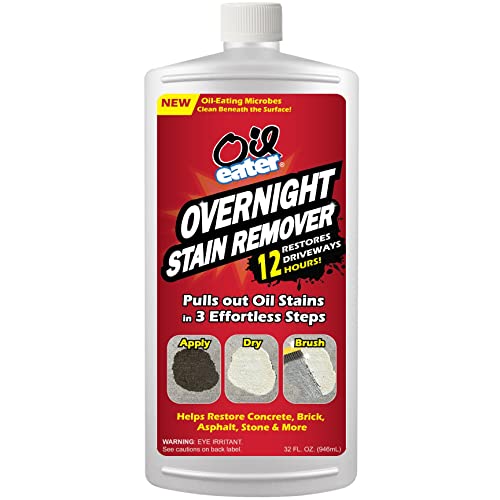
Regular cleaning keeps your paver driveway free from debris and stains. I sweep the driveway weekly to remove leaves, dirt, and other debris. Every month, I hose down the surface to rinse off accumulated grime. For stubborn stains, I use a mixture of mild detergent and water with a stiff broom to scrub the affected areas. Annually, I apply a pressure washer for a deep clean, ensuring the pavers maintain their vibrant appearance.
Sealing The Driveway
Sealing protects pavers from weather damage and stains. I seal my driveway every two to three years, depending on usage and climate conditions. Before sealing, I ensure the driveway is thoroughly clean and completely dry. Applying a high-quality sealant enhances the color of the pavers and creates a barrier against oils, spills, and UV rays. This maintenance step extends the lifespan of the driveway and preserves its aesthetic appeal.





Weed Control
Effective weed control maintains the driveway’s appearance and structural integrity. I inspect the driveway regularly and manually remove any weeds that appear between the pavers. Each spring, I apply a pre-emergent weed killer to prevent weed seeds from germinating. Additionally, I maintain proper joint sand levels by sweeping fresh polymeric sand into the gaps annually. This reduces the space available for weeds to establish, keeping the driveway looking tidy and well-maintained.
Benefits Of Paver Driveways
Investing in a paver driveway offers numerous advantages that enhance both the functionality and aesthetics of your home.
Enhanced Curb Appeal
Paver driveways significantly boost your home’s curb appeal. With various colors, patterns, and textures available, I can choose a design that complements my house’s exterior, creating a welcoming entrance.
Increased Property Value
A well-installed paver driveway can increase my property’s market value. According to real estate studies, homes with attractive driveways often sell faster and at higher prices compared to those with standard asphalt or concrete driveways.
Durability and Longevity
Pavers are known for their exceptional durability. They withstand extreme weather conditions, heavy traffic, and resist cracking better than traditional driveway materials. This means my driveway remains intact and attractive for decades with minimal repairs.
« How to Care for Succulents Outdoors: Expert Tips for Thriving Garden Plants Smart Gardens: How Technology is Revolutionizing Horticulture for Modern Growers »
Variety of Design Options
One of the standout benefits is the vast array of design options. From herringbone patterns to circular motifs, I can customize my driveway to reflect my personal style. Additionally, the choice of materials—such as concrete, brick, or natural stone—allows for further personalization.
Ease of Maintenance
Maintaining a paver driveway is straightforward. Unlike asphalt, pavers don’t require frequent sealing. If a paver becomes damaged, I can replace individual blocks without needing to overhaul the entire driveway, saving time and money in the long run.
Improved Drainage
Paver driveways facilitate better drainage compared to solid surfaces. The gaps between pavers allow rainwater to seep through, reducing runoff and minimizing the risk of water pooling around my home, which can prevent foundation issues.
Eco-Friendly Options
Many paver materials are environmentally friendly. Permeable pavers, for instance, support sustainable landscaping by allowing water to infiltrate the ground, reducing the strain on local drainage systems and promoting groundwater recharge.
Cost Considerations
When planning a paver driveway, understanding the various cost factors is essential for budgeting effectively. Here are the primary considerations:
Material Costs
Different paver materials vary in price based on their durability and aesthetic appeal. Below is a comparison of average costs per square foot:
| Material | Cost Range (USD) |
|---|---|
| Concrete Pavers | $10 – $20 |
| Brick Pavers | $15 – $30 |
| Natural Stone | $20 – $50 |
Installation Expenses
Installation costs depend on the driveway size, complexity of the design, and labor rates. Typically, installation can range from:
- Basic Installation: $15 – $25 per square foot
- Complex Patterns: $25 – $35 per square foot
Maintenance Costs
Maintaining a paver driveway involves periodic expenses to ensure longevity and appearance:
- Sealing: $0.50 – $1.00 per square foot every 2-3 years
- Cleaning: $100 – $300 annually for professional services
- Repairs: $50 – $150 per paver if replacements are needed
Additional Costs
Additional factors that may influence the total cost include:
- Site Preparation: $2,000 – $5,000 depending on excavation needs
- Permits: $100 – $500 based on local regulations
- Landscaping Adjustments: $500 – $2,000 for integrating with existing landscape
Cost Comparison
Comparing paver driveways to other driveway types highlights the investment value:
| Driveway Type | Average Cost per Square Foot (USD) |
|---|---|
| Asphalt | $3 – $5 |
| Concrete | $6 – $10 |
| Gravel | $2 – $4 |
| Paver Driveway | $10 – $50 |
Paver driveways typically require a higher initial investment but offer long-term benefits through durability and ease of maintenance.
Cost-Saving Tips
To manage expenses effectively, consider the following strategies:
- Choose Economical Materials: Opt for concrete pavers to balance cost and durability.
- Simplify Design: Select straightforward patterns to reduce labor costs.
- DIY Preparation: Handle site preparation tasks if feasible to lower installation expenses.
- Regular Maintenance: Prevent costly repairs by maintaining the driveway regularly.
By carefully evaluating these cost factors, you can make informed decisions that align with your budget while achieving a high-quality paver driveway.
Conclusion
Choosing a paver driveway has been one of the best decisions for my home. The blend of style and durability truly stands out every day. Seeing how easy it is to maintain and the way it enhances my curb appeal makes it all worthwhile. I’m confident that with the right installation and care, a paver driveway can provide lasting beauty and functionality. If you’re considering an upgrade, I encourage you to explore the possibilities pavers offer. It’s a fantastic investment that combines practicality with aesthetic charm, making your home even more welcoming.