Lighting up your pathways not only boosts your home’s curb appeal but also ensures safety during evening strolls. I’ve always believed that the right lighting can transform your outdoor space into something truly magical.

Designing pathway lighting doesn’t have to be overwhelming. Whether you love subtle garden lights or bold statement fixtures, there’s a style that fits your taste. Installing them can be a fun DIY project or something you choose to leave to the professionals.
In this article, I’ll share my tips on designing and installing pathway lighting, helping you create a beautiful and inviting outdoor environment you’ll enjoy every night.
Benefits Of Pathway Lighting
Pathway lighting offers several advantages that enhance both the functionality and aesthetics of my outdoor space. Here are the key benefits:
- Enhanced Safety
Well-lit pathways reduce the risk of tripping or accidents by illuminating steps, uneven surfaces, and potential obstacles. According to the National Safety Council, adequate lighting can decrease outdoor accidents by up to 50%.
- Increased Curb Appeal
Strategically placed lights highlight architectural features and landscaping, making my home more inviting. Properties with attractive lighting fixtures often stand out in neighborhoods and can increase property value.
- Improved Accessibility
Pathway lighting ensures that guests can navigate my garden or yard with ease after dark. This accessibility is especially beneficial for elderly visitors or those with mobility challenges.
- Energy Efficiency
Modern pathway lighting options, such as LED fixtures, consume less energy and have longer lifespans. This efficiency reduces electricity costs and minimizes maintenance efforts.
- Extended Outdoor Enjoyment
With ample lighting, I can enjoy my outdoor spaces even after sunset. Whether it’s hosting evening gatherings or simply relaxing by the garden, pathway lighting extends the usability of my yard.
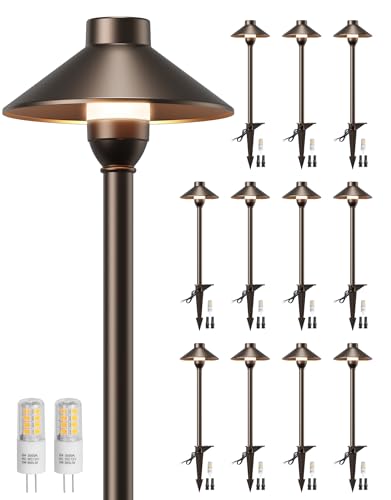


Planning Your Pathway Lighting Design
Designing your pathway lighting starts with selecting the right fixtures and determining their optimal placement. These steps ensure both functionality and aesthetic appeal.
Choosing The Right Fixtures
Selecting appropriate fixtures enhances your pathway’s safety and style. I consider LED lights for energy efficiency and longevity. Solar-powered options offer eco-friendly benefits and easy installation. Additionally, I choose fixtures that complement my home’s architecture, such as modern sconces for contemporary styles or lanterns for traditional looks. Opting for fixtures with adjustable brightness allows me to customize the lighting based on different occasions.
Determining Placement And Spacing
Proper placement ensures even illumination and prevents shadows. I space lights approximately 6 to 10 feet apart, depending on the fixture’s brightness and the pathway’s width. Positioning lights along both sides of the path provides balanced lighting and guides guests safely. I also place fixtures at key points, like entrances and corners, to highlight landscaping features and architectural details. Ensuring each light is securely anchored maintains the pathway’s neat appearance and functionality.
Types Of Pathway Lighting
I explore the main types of pathway lighting to help you choose the best option for your outdoor space.
Solar Pathway Lights
Solar pathway lights use sunlight to charge their batteries, providing illumination after dark. I appreciate their eco-friendly nature and easy installation since they don’t require wiring. Most solar lights feature LED bulbs for efficient brightness and come in various styles, such as stake-mounted or lantern designs. To ensure optimal performance, I keep the solar panels clean and positioned to receive maximum sunlight. These lights are cost-effective and ideal for gardens and walkways where running electrical lines is impractical.




LED Pathway Lights
LED pathway lights deliver bright, energy-efficient lighting with a long lifespan. I value their low energy consumption, which reduces utility bills and supports sustainability. Available in diverse colors and styles, I can select options that complement my home’s exterior. Installing LED lights may require wiring, but many fixtures are designed for straightforward setup. LEDs also offer dimming capabilities, allowing me to adjust the brightness to suit different occasions. Their durability and minimal maintenance make LED pathway lights a dependable choice for enhancing outdoor safety and aesthetics.
Installation Process
Installing pathway lighting enhances your outdoor space’s safety and aesthetics. Follow these steps to ensure a successful installation.
Tools And Materials Needed
- Lighting Fixtures: LED or solar pathway lights suitable for your design.
- Power Drill: For creating holes or securing fixtures.
- Wire Strippers: If using wired lighting systems.
- Electrical Tape: To secure and insulate connections.
- Screws and Anchors: For mounting fixtures securely.
- Measuring Tape: To ensure even spacing and accurate placement.
- Spade or Trenching Tool: For burying cables if necessary.
- Timer or Smart Controller: To automate lighting schedules.
- Safety Gear: Gloves and safety glasses for protection.
Step-By-Step Installation Guide
- Plan Layout: Measure the pathway length and mark fixture locations 6 to 10 feet apart.
- Prepare Fixtures: Assemble your lights according to the manufacturer’s instructions.
- Install Mounting Hardware: Secure screws and anchors at marked spots using a power drill.
- Run Wiring: If using wired lights, bury cables 6 inches deep with a spade tool, ensuring connections are insulated with electrical tape.
- Attach Fixtures: Mount each light securely onto the hardware using provided screws.
- Connect Power Source: Link wired lights to the main power supply, following safety guidelines.
- Set Timer or Controller: Program your timer or smart controller for desired lighting schedules.
- Test Lighting: Switch on the system to verify all fixtures illuminate correctly and adjust as needed.
Maintenance Tips
Maintaining your pathway lighting ensures longevity and consistent performance. Follow these steps to keep your lights in top condition:
- Regular Cleaning
Dust and debris reduce light efficiency. Clean fixtures monthly with a soft cloth to remove dirt and ensure optimal brightness.
- Inspect Wiring and Connections
Check for damaged wires or loose connections every six months. Replace or repair any faulty components to prevent electrical issues.
« Water Feature Pumps: The Complete Selection Guide for Your Backyard Planting a Tea Garden: Best Plant Choices for a Thriving Garden »
- Replace Bulbs or Batteries
Swap out burned-out bulbs promptly. For solar lights, replace batteries annually to maintain energy storage and performance.
- Check Alignment and Positioning
Ensure fixtures remain correctly positioned. Adjust any that shift due to weather or ground movement to maintain even illumination.
- Protect from Weather Damage
Use weather-resistant fixtures. Inspect seals and housings each season to protect against moisture and corrosion.
- Monitor Solar Panels
Keep solar panel surfaces clean. Remove leaves and debris regularly to maximize sunlight absorption.
- Test Timers and Controllers
Verify that timers and smart controllers function correctly each spring. Adjust settings as needed to align with changing daylight hours.
- Schedule Professional Inspections
Hire a professional annually to conduct a thorough inspection. Identify and address issues that may not be visible during routine maintenance.
By following these maintenance tips, your pathway lighting remains effective and enhances your outdoor space year-round.
Conclusion
Setting up pathway lighting has really changed how I enjoy my outdoor space. The right lights not only make my evenings safer but also add a beautiful touch to my home’s exterior. Choosing between LED and solar options was easier than I thought, and both have brought great benefits. Planning the layout and picking fixtures that match my style made the whole process enjoyable. Installing the lights myself was rewarding, and keeping them maintained is simpler than I expected. Seeing my pathways glow at night feels amazing and makes my home feel more welcoming. I encourage you to try adding pathway lighting to your space. It’s a small change that can make a big difference in both look and functionality. You’ll love the new ambiance it brings to your home.