I’ve always dreamed of a vibrant garden, but the idea of using less water seemed daunting. Discovering low-water gardening changed everything for me, turning my outdoor space into a lush, sustainable retreat.

Choosing the right plants and mastering simple watering techniques not only conserves water but also makes gardening more enjoyable. Whether you’re new to gardening or looking to make a change, maintaining a low-water garden is simpler than you might think. Let me share what I’ve learned to help you create your own beautiful, water-wise paradise.
Choosing the Right Plants
Selecting the right plants ensures a thriving low-water garden. It minimizes maintenance and supports sustainability.
Drought-Tolerant Varieties
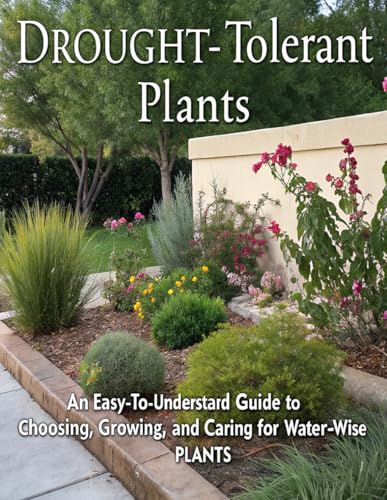
Opting for drought-tolerant plants reduces water usage significantly. Examples include:
- Sedum: Requires minimal watering once established.
- Lavender: Thrives in dry conditions and attracts pollinators.
- Agave: Stores water in its leaves, making it highly resilient.
- Yucca: Tolerates extreme dryness and adds architectural interest.
- Echinacea: Provides vibrant blooms with low water needs.
Native Species Benefits
Choosing native species offers multiple advantages. They adapt well to local climates and soil conditions. Benefits include:
- Water Efficiency: Native plants need less supplemental watering.
- Pest Resistance: Natural resilience reduces the need for pesticides.
- Wildlife Support: They provide habitat and food for local fauna.
- Low Maintenance: Adapted to the environment, they require less care.
- Biodiversity Promotion: Enhances the ecological balance of the garden.
Incorporating native species like California poppy, sagebrush, and black-eyed Susan can create a resilient and beautiful garden ecosystem.
Soil Preparation and Mulching
Preparing the soil correctly sets the foundation for a thriving low-water garden. Implementing effective mulching techniques further enhances moisture retention and soil health.
Enhancing Soil Structure
Improving soil structure increases water retention and root penetration. I incorporate the following methods:
- Adding Organic Matter: Mixing 2-3 inches of compost enhances nutrient content and soil texture.
- Amending with Perlite: Integrating 1 part perlite ensures proper drainage and aeration.
- Using Cover Crops: Planting legumes in the off-season fixes nitrogen and prevents soil compaction.
Mulching Techniques
- Organic Mulches: Applying shredded bark or straw in a 3-inch layer decomposes over time, enriching the soil.
- Inorganic Mulches: Spreading gravel or rubber mulch provides long-lasting coverage without decomposition.
- Living Mulches: Planting low-growing ground covers maintains soil integrity and adds aesthetic value.
Efficient Watering Methods
Implementing efficient watering methods ensures my low-water garden thrives while conserving resources.





Drip Irrigation Systems
I use drip irrigation systems to deliver water directly to each plant’s root zone. These systems minimize evaporation and runoff, providing precise hydration. Components include emitters, tubing, and connectors. Benefits consist of:
- Water Efficiency: Reduces water usage by up to 30% compared to traditional methods.
- Targeted Delivery: Ensures plants receive the exact amount of water they need.
- Low Maintenance: Requires minimal upkeep once installed.
Setting up a drip system involves layout planning to match garden bed configurations. I select emitters based on plant size and water requirements, ensuring optimal performance throughout the growing season.
Watering Schedules
Establishing a consistent watering schedule maintains soil moisture without overwatering. I follow these guidelines:
- Frequency: Water 2-3 times per week during dry periods.
- Timing: Early mornings minimize evaporation and allow plants to absorb moisture before the heat of the day.
- Adjustments: Modify schedules based on rainfall, temperature, and plant growth stages.
| Factor | Action |
|---|---|
| Rainfall | Reduce or skip watering sessions |
| Temperature | Increase frequency during heatwaves |
| Plant Stage | Adjust for seedlings vs. mature plants |
By monitoring these factors, I ensure my garden receives adequate water while maximizing efficiency and promoting healthy plant growth.
Maintenance Practices
Maintaining my low-water garden requires consistent care. Effective practices ensure plant health and water conservation.




Pruning and Deadheading
Pruning shapes plants and encourages growth. I trim overgrown branches from agave and yucca annually. Deadheading spent flowers from echinacea and lavender promotes continuous blooming. Using sharp, clean tools minimizes plant stress and prevents disease.
Weed Management
Controlling weeds preserves water and nutrients for my plants. I apply a 2-inch layer of mulch to suppress weed growth effectively. Hand-pulling weeds ensures minimal soil disturbance. Regular garden inspections help me remove new weeds promptly, maintaining a healthy, low-maintenance garden.
Sustainable Gardening Tips
Embracing sustainable practices enhances my low-water garden’s efficiency and resilience. Implementing these tips ensures a thriving, eco-friendly outdoor space.
Composting
I incorporate composting to enrich my soil organically. By recycling kitchen scraps and garden waste, I create nutrient-dense compost that improves soil structure and water retention. Creating a compost bin took less than a day, and now I produce approximately 10 pounds of compost each month. This reduces landfill waste and provides my plants with essential nutrients, promoting healthy growth without chemical fertilizers.
Rainwater Harvesting
Harvesting rainwater significantly reduces my water usage. I installed a rain barrel system that captures up to 500 gallons of rainwater annually. This water supplies my drip irrigation system during dry periods, cutting my water bill by 30%. Additionally, using collected rainwater lowers dependency on municipal sources and ensures my plants receive natural, chemical-free hydration.
« Urban Gardening: Small Space Tips for Thriving City Greenery Building a Raised Patio: Top Pros and Cons for Your Outdoor Space »
Conclusion
Creating a low-water garden has truly changed how I see my outdoor space. It feels rewarding to watch a garden thrive while using less water. The effort I put into choosing the right plants and setting up efficient systems has paid off in more ways than one. Every visit to my garden reminds me that sustainable choices can lead to beautiful results. I encourage you to give low-water gardening a try and enjoy the benefits of a vibrant and eco-friendly garden.