Winter can be a challenging time for your garden, especially when the weather turns wet and unpredictable. I’ve discovered that with a few thoughtful landscaping choices, you can keep your outdoor space vibrant and healthy even during the stormiest months.
In this article, I’ll share some of my favorite tips for landscaping in wet winters. From selecting the right plants to improving drainage, these strategies will help you create a resilient and beautiful garden that thrives year-round.
Understanding Wet Winters
Wet winters bring unique conditions that impact your landscape significantly. Recognizing these effects helps in planning effective landscaping strategies.
Effects on Your Landscape
Excessive moisture can weaken plant structures, increasing susceptibility to diseases. Soil saturation leads to poor aeration, hindering root growth. Frost heaves may disrupt garden beds, causing displacement of plants. Additionally, prolonged wetness encourages moss and algae growth on surfaces.
Common Challenges
Drainage issues often arise, resulting in waterlogged areas. Erosion becomes a concern on slopes, altering the landscape’s stability. Pests thrive in damp environments, posing threats to plant health. Maintaining hardscapes requires more effort to prevent mold and staining.
Selecting Suitable Plants
Choosing the right plants ensures your garden thrives during wet winters. I focus on species that withstand excess moisture and cold temperatures.
Hardy Perennials and Shrubs
Selecting hardy perennials and shrubs provides resilience against wet conditions.
- Hostas thrive in shaded, moist areas, offering lush foliage.
- Sedum withstands heavy rains and adds color with its star-shaped flowers.
- Blackberry bushes resist root rot and produce abundant fruit.
- Ferns flourish in damp soil, enhancing garden texture.
- Daylilies maintain vibrant blooms despite prolonged moisture.
Evergreen Options
Incorporating evergreen plants maintains structure and color year-round.
- Boxwood withstands pruning and retains its foliage through winter.
- Holly offers glossy leaves and bright berries, deterring pests.
- Snowberry tolerates wet soils and provides visual interest with its berries.
- Yew adapts to various soil conditions and maintains its shape.
- Rhododendron thrives in acidic, moist environments, displaying vibrant flowers.
Soil and Drainage Management
Managing soil and drainage keeps my garden healthy during wet winters.



Improving Soil Structure
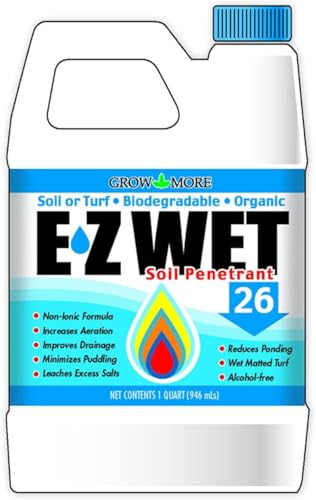
I enhance soil structure by adding organic matter, such as compost and well-rotted manure. These amendments increase permeability, reducing waterlogging risks. Aerating compacted areas allows roots to access oxygen and nutrients efficiently. Mulching maintains soil moisture levels, supports beneficial microorganisms, and prevents erosion.
Implementing Effective Drainage Systems
I install French drains to divert excess water away from plant roots and hardscapes. Permeable paving materials enable water infiltration, minimizing puddling and surface runoff. Constructing raised beds elevates plant roots above saturated soil. Utilizing rain gardens captures and absorbs runoff, decreasing overall water accumulation in my garden.
Design Strategies for Wet Conditions
Designing a garden to withstand wet winters ensures plant health and garden beauty. Implementing effective strategies can prevent water-related issues and promote resilience.
Creating Elevated Beds
Elevated beds enhance drainage and protect plant roots from excess moisture. I build raised beds using materials like cedar or stone, which resist rot and provide sturdy structures. Filling them with well-draining soil mixes, including compost and sand, prevents waterlogging. Elevated beds also improve soil aeration, allowing roots to access necessary oxygen. Additionally, these beds simplify maintenance by keeping plants off soggy ground, reducing the risk of root diseases.
Utilizing Native Plant Species
Native plants thrive in local climates and handle wet conditions effectively. I prioritize species like irises, swamp lilies, and ornamental grasses, which naturally tolerate high moisture levels. These plants require less maintenance and are more resistant to pests and diseases. Incorporating native shrubs and perennials, such as river birches and marsh marigolds, adds diversity and supports local wildlife. By selecting native species, my garden remains vibrant and sustainable throughout the wet winter months.





Maintenance Practices
I implement key maintenance practices to keep my garden thriving during wet winters. These methods help manage excess moisture and support plant health.
Seasonal Care Tips
- Pruning: I trim dead or overgrown branches to enhance air flow and minimize disease risks.
- Fertilizing: I use slow-release fertilizers to provide consistent nutrients throughout the winter months.
- Mulching: I apply a thick layer of mulch to stabilize soil temperature and retain necessary moisture.
Protecting Plants from Excess Moisture
- Proper Drainage: I improve soil drainage by incorporating organic matter and installing effective drainage systems.
- Raised Beds: I build raised beds to elevate plant roots, preventing waterlogging and promoting healthier growth.
- Plant Covers: I utilize breathable covers to protect plants from heavy rainfall while allowing adequate airflow.
Conclusion
Tackling wet winters has been a rewarding journey for me. I’ve discovered that the right choices can keep my garden lively and resilient no matter the weather
Seeing my plants thrive through the damp months brings a sense of accomplishment and peace It’s amazing how a few adjustments can make such a big difference
I’m excited to continue nurturing my outdoor space and adapting to whatever the seasons bring With these strategies I’m confident my garden will stay beautiful and strong all winter long
« How to Install a Brick Patio: Step-by-Step Guide for a Beautiful Backyard Essential Tools for Building Hardscape Features: Enhance Your Outdoor Space »