Creating a stunning garden in a high humidity area might seem daunting, but I’ve found it’s entirely possible with the right approach. High humidity can actually be a blessing, providing the moisture that many plants crave to thrive.

In my experience, selecting plants that love the damp conditions is key. From vibrant ferns to lush tropical flowers, there are plenty of options that flourish in humid climates. Plus, incorporating proper drainage and ventilation ensures your landscape remains healthy and beautiful year-round.
Embracing the unique challenges of high humidity has transformed my outdoor space into a vibrant, green retreat. Whether you’re a seasoned gardener or just starting out, landscaping in these conditions can be incredibly rewarding.
Benefits Of Landscaping In High Humidity Areas
Enhanced Plant Growth
High humidity supports lush vegetation, allowing tropical plants like orchids and bromeliads to thrive.
Reduced Watering Needs
Moist air decreases evaporation rates, lowering the frequency of irrigation required for maintaining gardens.
Improved Air Quality
Dense plantings in humid landscapes filter pollutants effectively, contributing to cleaner and healthier air.
Natural Cooling
Vegetation in high humidity areas provides shade and releases moisture, cooling the surrounding environment naturally.
Increased Biodiversity
Wet conditions attract diverse wildlife, promoting a balanced ecosystem with various insects, birds, and beneficial microorganisms.
Stronger Root Systems
Consistent moisture availability encourages deep root growth, enhancing plant stability and resilience against storms.


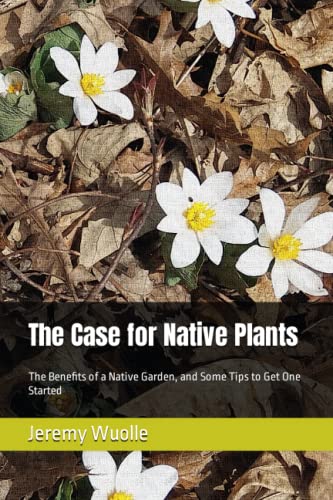


Aesthetic Appeal
Vibrant, green landscapes flourish in humid climates, creating visually appealing outdoor spaces year-round.
Pest Resistance
Certain high-humidity plants develop natural defenses against pests, reducing the need for chemical interventions.
Soil Fertility
Humid environments support rich soil conditions, fostering nutrient availability and promoting overall garden health.
Extended Growing Seasons
Warm and moist conditions allow for longer growing periods, enabling the cultivation of a wider variety of plants.
Choosing The Right Plants
Selecting the appropriate plants is crucial for thriving in high humidity areas. I focus on species that naturally excel in moist environments.


Tropical Plants
Tropical plants, such as orchids, hibiscus, and bird of paradise, thrive in high humidity. These plants offer vibrant colors and lush foliage, enhancing garden aesthetics. Their moisture-loving nature reduces the need for frequent watering, making maintenance easier. Additionally, tropical plants contribute to increased biodiversity, supporting various pollinators and beneficial insects.
Native Species
Native species like Louisiana iris, swamp milkweed, and southern magnolia adapt well to high humidity. These plants require minimal care, as they are accustomed to the local climate and soil conditions. Native species promote environmental sustainability by supporting local wildlife and maintaining soil health. Incorporating native plants also enhances the resilience of the landscape against pests and diseases common in humid regions.
Soil Preparation And Drainage
Preparing the soil correctly is crucial for thriving in high humidity areas. I start by testing the soil’s pH, aiming for a range between 5.5 and 7 to suit most tropical plants. If the pH is off, I adjust it using lime to raise the pH or sulfur to lower it.
Steps for Soil Preparation:
- Test Soil pH: I use a soil testing kit to determine pH levels.
- Amend with Organic Matter: I incorporate compost or well-rotted manure to enhance soil fertility.
- Improve Soil Structure: I till the soil to loosen compacted areas, promoting better root growth.
Effective drainage prevents waterlogging, which can harm plant roots. I implement several strategies to ensure proper drainage in high humidity environments.
Drainage Solutions:
- Install Drainage Systems: I set up French drains or gravel beds to channel excess water away from plants.
- Create Raised Beds: I build raised beds to elevate plants, reducing the risk of standing water.
- Use Mulch Wisely: I apply organic mulch to retain moisture without blocking drainage paths.
Maintaining optimal soil conditions requires regular monitoring. I check soil moisture levels frequently and adjust drainage measures as needed to keep the landscape healthy.
« Hardscaping with Concrete: Top Design Options to Transform Your Outdoor Space Caring for Fruit Trees in Your Yard: Essential Tips for a Thriving Home Orchard »
Managing Pests And Diseases
Managing pests and diseases is essential for maintaining a healthy garden in high humidity areas. High moisture levels create favorable conditions for various pests and pathogens.
Common Pests
High humidity attracts several pests that can damage your plants:
- Aphids: These small insects suck sap from plants, causing distorted growth.
- Spider Mites: They create fine webs and cause leaves to discolor.
- Snails and Slugs: These mollusks feed on foliage, leaving noticeable holes.
Common Diseases
Fungal diseases flourish in humid environments, affecting plant health:
- Powdery Mildew: A white, powdery substance appears on leaves, hindering photosynthesis.
- Root Rot: Excess moisture leads to decaying roots, weakening plants.
- Leaf Spot: Dark spots develop on leaves, reducing plant vigor.
Prevention Strategies
Implementing effective prevention techniques minimizes pest and disease issues:
- Proper Spacing: Ensure adequate airflow by spacing plants appropriately.
- Regular Monitoring: Inspect plants frequently for early signs of pests or diseases.
- Healthy Soil: Maintain soil health with organic matter and proper drainage to prevent root-related diseases.
Management Techniques
- Biological Controls: Introduce beneficial insects like ladybugs to combat aphids.
- Organic Treatments: Apply neem oil or insecticidal soap to manage pests naturally.
- Fungicides: Use appropriate fungicides to treat fungal infections when necessary.
Table of Common Pests and Diseases
| Pests/Diseases | Damage | Control Methods |
|---|---|---|
| Aphids | Sap-sucking, leaf distortion | Introduce ladybugs, apply neem oil |
| Spider Mites | Leaf discoloration, webbing | Use insecticidal soap, increase humidity |
| Snails and Slugs | Foliage damage | Set traps, use organic baits |
| Powdery Mildew | White powder on leaves | Apply fungicides, improve airflow |
| Root Rot | Decaying roots | Enhance drainage, reduce watering |
| Leaf Spot | Dark spots on leaves | Remove affected leaves, apply fungicides |
Landscaping Design Tips
Select Moisture-Tolerant Plants
- Choose native species like Louisiana iris and southern magnolia for adaptability.
- Incorporate tropical plants such as orchids and hibiscus for vibrant colors.
- Group plants with similar water needs to streamline maintenance.
Enhance Drainage Solutions
- Install French drains to efficiently manage excess water.
- Create raised beds to promote healthy root growth and prevent waterlogging.
- Use permeable paving materials for pathways to allow water infiltration.
Optimize Plant Arrangement
- Layer plantings to improve airflow and reduce humidity around foliage.
- Space plants adequately to minimize the risk of pests and diseases.
- Position taller plants to provide shade for smaller, moisture-sensitive species.
Utilize Durable Landscaping Materials
- Select rot-resistant woods and weather-proof composites for structures.
- Incorporate stone or gravel pathways to reduce moisture retention.
- Choose non-porous materials for patios and decks to prevent water damage.
Incorporate Shade and Shelter
- Plant trees strategically to offer natural shade and cooling.
- Install pergolas or trellises to support climbing plants and enhance air circulation.
- Use umbrellas or shade sails in seating areas to provide additional protection from humidity.
Implement Effective Irrigation Systems
- Opt for drip irrigation to deliver water directly to plant roots.
- Schedule watering during early morning hours to reduce evaporation.
- Monitor soil moisture levels regularly to prevent overwatering.
Add Water Features Wisely
- Choose recirculating water features to minimize standing water.
- Ensure proper filtration to prevent algae growth in ponds and fountains.
- Position water elements away from plant beds to control localized humidity.
Maintain Regular Garden Care
- Prune plants to improve air circulation and reduce disease risk.
- Mulch with organic materials to retain soil moisture and regulate temperature.
- Inspect regularly for signs of pests and take prompt action to address issues.
Maintenance Strategies
Regular maintenance ensures your high humidity garden remains healthy and vibrant. I focus on several key strategies to achieve this:
Pruning and Trimming
Pruning enhances airflow and reduces disease risk. I trim overgrown branches and remove dead foliage weekly to maintain plant health.
Soil Moisture Monitoring
Consistent soil moisture is crucial. I use a moisture meter to check levels daily, adjusting irrigation to prevent waterlogging or dryness.
Mulching
Applying mulch retains soil moisture and suppresses weeds. I add 2-3 inches of organic mulch around plants, replenishing it monthly to maintain effectiveness.
Pest Management
High humidity attracts pests. I inspect plants biweekly for signs of aphids, spider mites, and slugs. Introducing beneficial insects and using organic treatments keeps pests under control.
Fungicide Application
To prevent fungal diseases like powdery mildew, I apply fungicides at the first sign of infection. Regular treatment every two weeks during peak humidity helps protect plants.
Fertilization
Nutrient-rich soil supports robust growth. I fertilize monthly with a balanced organic fertilizer, ensuring plants receive essential nutrients without overfeeding.
Drainage Maintenance
Effective drainage prevents root rot. I inspect and clear drainage systems quarterly, ensuring water flows freely and does not accumulate around plant bases.
Aeration
Aerating the soil improves root health. I aerate garden beds twice a year, promoting better oxygen exchange and nutrient absorption for thriving plants.
Weed Control
Weeds compete for resources. I remove weeds by hand and apply organic herbicides as needed, maintaining a clean garden environment.
Seasonal Inspections
Seasonal changes affect garden health. I conduct thorough inspections each season, adjusting maintenance practices to address new challenges posed by varying humidity levels.
By implementing these maintenance strategies, I ensure my high humidity garden stays lush, resilient, and full of life.
Conclusion
Creating a garden in high humidity areas has been a rewarding journey for me. Embracing the unique conditions allowed my plants to thrive and brought vibrant life to my outdoor space. With the right choices and ongoing care anyone can transform their garden into a lush haven. I hope these tips inspire you to make the most of your high humidity environment and enjoy a beautiful resilient landscape.