When it comes to enhancing the curb appeal of our outdoor spaces, block paving is a popular choice for many homeowners. However, the question of maintenance often looms large. Are we in for a time-consuming and arduous task, or is it easier to manage than we think? In this article, we’ll explore the ins and outs of maintaining block paving to help us make informed decisions about our outdoor surfaces.

With its durability and aesthetic appeal, block paving can transform the look of our driveways, patios, and walkways. But how do we keep it looking pristine without breaking our backs? Let’s delve into the world of block paving maintenance together, uncovering tips and tricks to ensure that our outdoor areas remain beautiful and inviting for years to come.
Understanding Block Paving
As landscape designers, we understand the importance of block paving in transforming outdoor spaces. Block paving is a popular choice among homeowners for its durability and aesthetic appeal. We often recommend block paving for driveways, patios, and walkways due to its versatility and ability to enhance the overall look of a property.
Definition and Use
When it comes to defining block paving, we refer to it as a method of creating hard-standing surfaces using individual blocks or bricks. These blocks are laid in a specific pattern, offering a visually appealing finish to outdoor areas. We use block paving to create various designs, from intricate patterns to simple layouts, depending on the homeowner’s preferences and the overall landscape design.
In our practice, we commonly use block paving for driveways to create a welcoming entrance to the property. The versatility of block paving allows us to mix and match colors and shapes to achieve unique designs that complement the architectural style of the home. Additionally, block paving is a popular choice for patios and walkways, providing a durable and attractive surface for outdoor entertaining and leisure.
Common Materials Used in Block Paving
When selecting materials for block paving projects, we consider a range of options to meet our clients’ needs. Common materials used in block paving include concrete blocks, clay bricks, and natural stone. Each material offers distinct characteristics in terms of color, texture, and durability, allowing us to customize the design based on the desired aesthetic and functionality.
Concrete blocks are a practical choice for block paving due to their affordability and range of colors and shapes available. Clay bricks, on the other hand, provide a classic and timeless look suitable for traditional or rustic settings. Natural stone offers a premium option for block paving, adding a touch of elegance and luxury to outdoor spaces.
In our experience, selecting the right material is crucial to achieving the desired outcome in terms of both aesthetics and longevity. By understanding the unique qualities of each material, we can recommend the most suitable option for our clients’ block paving projects, ensuring that the final result meets their expectations and enhances the beauty of their outdoor areas.
The Maintenance Demands of Block Paving
As landscape designers, we understand the importance of maintaining the beauty and functionality of block paving to ensure that outdoor spaces retain their charm for years to come. Here’s a breakdown of the maintenance tasks required to keep block paving in top condition.


Common Maintenance Tasks
When it comes to block paving, regular upkeep is key to preserving its appearance and structural integrity. Here are some common maintenance tasks that we recommend to our clients:
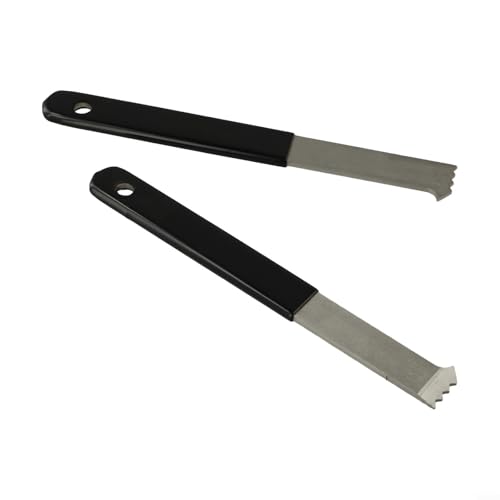
- Weeding: Regularly inspect the area for weeds that may sprout between the blocks. Weeds not only detract from the aesthetics but can also weaken the structure over time.
- Cleaning: Periodically clean the paving surface to remove dirt, grime, and algae buildup. This not only enhances the look but also prevents slips and falls.
- Resealing: Depending on the type of block used, resealing may be necessary to protect the surface from stains and wear. Consult with us to determine the right sealing schedule for your specific paving material.
- Repairs: Address any damaged or sunken blocks promptly to prevent further deterioration and maintain the structural integrity of the paving.
Frequency of Maintenance
The frequency of maintenance for block paving largely depends on the usage and weather conditions in the area. However, as a general guideline, we advise our clients to consider the following maintenance schedule:
- Weekly: Perform visual inspections for any emerging weeds or stains on the paving surface. Address these issues promptly to prevent them from escalating.
- Monthly: Deep clean the block paving surface to remove embedded dirt and grime. This will help maintain the original appearance of the paving.
- Bi-Annually: Consider resealing the block paving to protect it from stains and damage caused by harsh weather conditions.
By staying proactive with maintenance tasks and following a consistent upkeep schedule, you can ensure that your block paving retains its aesthetic appeal and durability for years to come. Feel free to reach out to us for personalized maintenance recommendations tailored to your specific block paving project.
Factors Affecting the Maintenance of Block Paving
As landscape designers, we understand the importance of considering various factors that can impact the maintenance of block paving. Let’s explore how weather conditions, the type of traffic, and the quality of installation play a significant role in determining the upkeep requirements for block paving projects.
Weather Conditions
Weather conditions can significantly influence the maintenance needs of block paving. In areas with frequent rainfall or high humidity, weeds and moss may proliferate more rapidly between the paving stones, requiring more frequent weeding and cleaning. Additionally, extreme temperatures, such as frost or intense heat, can affect the stability of the blocks over time, leading to potential shifts or damage that may necessitate repairs.




Type of Traffic
The type of traffic that a paved area receives also impacts maintenance considerations. High-traffic areas, such as driveways or commercial spaces, may experience more wear and tear on the paving stones, leading to quicker deterioration and a higher frequency of cleaning and resealing. In contrast, areas with lighter foot traffic or primarily decorative use may require less frequent maintenance, focusing more on preventive measures to preserve the look and integrity of the block paving.
Quality of Installation
The quality of the initial installation plays a crucial role in the long-term maintenance of block paving. Proper installation techniques ensure stable and even paving stones that are less prone to shifting or settling, reducing the likelihood of maintenance issues such as uneven surfaces or loose blocks. Working with experienced professionals during the installation phase can help minimize future maintenance requirements and ensure the longevity of the block paving.
Considering these factors when planning and maintaining block paving projects can help us create outdoor spaces that not only look beautiful but also stand the test of time with minimal upkeep.
Best Practices for Maintaining Block Paving
As landscape designers, we understand the importance of proper maintenance to preserve the beauty and functionality of block paving. Implementing the following best practices will help you keep your outdoor spaces looking their best year-round.
Regular Cleaning Tips
When it comes to maintaining block paving, regular cleaning is key to preventing dirt and grime buildup. We recommend sweeping the surface with a stiff brush or using a pressure washer on a low setting to remove debris and keep the paving looking fresh. Routine cleaning not only enhances the appearance of your outdoor area but also helps prevent the growth of weeds and moss.
« Unveiling the Best Kept Secret Locations of Pavers Shops You Didn’t Know Exist 10 Secret Hacks to Eliminate Ants from Your Outdoor Pavers for Good »
Dealing With Weeds and Moss
To tackle weeds and moss on block paving, we advise using a suitable weed killer or natural remedies like vinegar or boiling water. It’s essential to address these issues promptly to prevent them from spreading and damaging the integrity of the paving. Additionally, regularly inspecting the joints between the blocks can help identify and eliminate any unwanted plant growth before it becomes a more significant problem.
Sealing Block Paving
Sealing your block paving is a crucial step in its maintenance routine. A quality sealant helps protect the surface from stains, oil spills, and the effects of weathering, extending the lifespan of your paving. We recommend applying a sealer every few years to maintain the integrity and appearance of the blocks, especially in high-traffic areas.
By following these maintenance best practices, you can ensure that your block paving remains in top condition, enhancing the overall aesthetic appeal and longevity of your outdoor space.
Cost Analysis of Block Paving Maintenance
As landscape designers, we understand that considering the cost implications of block paving maintenance is crucial for our clients’ financial planning and the longevity of their outdoor spaces. Let’s delve into the short-term costs and long-term investment associated with maintaining block paving.
Short-Term Costs
When it comes to short-term costs, initial maintenance activities such as weeding, regular cleaning, and resealing are essential to preserving the pristine look of block paving. These tasks may require some investment in terms of purchasing weed-killing solutions, cleaning equipment, and sealants. While these costs are necessary, they are relatively manageable and should be factored into the overall project budget.
Long-Term Investment
Looking at block paving maintenance as a long-term investment is key to understanding its value over time. By consistently conducting maintenance tasks like weed and moss removal, as well as periodic resealing, property owners can significantly extend the lifespan of their block paving surfaces. This proactive approach not only enhances the aesthetic appeal of outdoor areas but also improves the durability of the paving, reducing the need for costly repairs or replacements in the future.
When we view block paving maintenance as both a short-term necessity and a long-term investment, we can guide our clients effectively in optimizing the upkeep of their outdoor spaces while maximizing the value of their landscaping projects.
Comparing Block Paving with Other Driveway Options
Maintenance Comparison
When comparing block paving with other driveway options, we find that block paving stands out for its relatively low maintenance requirements. Unlike gravel driveways that need frequent raking and topping up, or asphalt driveways that may require resealing every few years, block paving is quite easy to maintain. Regular tasks such as cleaning and weeding are usually sufficient to keep block paving looking its best.
Durability and Longevity
In terms of durability and longevity, block paving proves to be a reliable choice for driveways. While concrete driveways may develop cracks over time and require repairs, block paving is known for its ability to withstand heavy loads without significant damage. With proper maintenance, block paving can retain its appeal for many years, making it a cost-effective and durable option for outdoor areas.
Conclusion
Maintaining block paving may seem daunting, but with regular care and attention, it can be a durable and cost-effective choice for outdoor spaces. By following simple upkeep tasks like cleaning, weeding, and resealing, we can ensure the longevity and visual appeal of our block paving. Viewing maintenance as an investment rather than a chore helps us appreciate the value it adds to our landscaping projects. Compared to other driveway options, block paving stands out for its low maintenance requirements and ability to withstand heavy loads. With proper care, block paving can retain its charm and durability, making it a practical and attractive choice for our outdoor areas.