If you’ve ever noticed your pavers starting to sink or shift, you’re not alone. It’s a common issue that can detract from the beauty and functionality of your outdoor space. But fear not, we’ve got you covered! In this article, we’ll share some simple yet effective tips on how to prevent your pavers from sinking and keep your walkways and patios looking pristine.

From heavy rainfall to improper installation, there are various reasons why pavers may start to sink over time. But with a proactive approach and a few handy tricks up our sleeves, we can help you tackle this problem head-on. By following our expert advice, you’ll learn how to stabilize your pavers and maintain a level surface that will stand the test of time.
Understanding the Causes of Sinking Pavers
As landscape designers, we know the importance of addressing the underlying causes that lead to pavers sinking or shifting in outdoor spaces. By understanding these factors, we can implement effective solutions to prevent this common issue and maintain a visually appealing landscape for our clients.
Poor Soil Compaction
When it comes to preventing pavers from sinking, one of the key factors to consider is poor soil compaction. In many instances, insufficiently compacted soil beneath the pavers can lead to settling over time, causing the pavers to sink unevenly. This can occur due to various reasons such as inadequate compaction during the initial installation or changes in soil density over time.
To tackle this issue, we always ensure proper soil compaction before laying the pavers. By compacting the soil adequately, we create a stable base that can withstand external pressures and minimize the risk of sinking pavers. This proactive approach can significantly extend the longevity of the paved surface and maintain its structural integrity.
Inadequate Drainage
Another common cause of sinking pavers is inadequate drainage in the outdoor area. When water cannot properly drain away from the surface, it can seep into the base layers, causing erosion and weakening the foundation of the pavers. Poor drainage can result from factors like improper grading, lack of sufficient drainage systems, or clogged drain pipes.
To mitigate the risk of sinking pavers due to poor drainage, we focus on improving the water management system in the landscape. Implementing proper grading techniques, installing effective drainage solutions such as French drains or permeable pavers, and regularly maintaining the drainage infrastructure are essential steps in preventing water-related issues that could compromise the stability of the paver surface.
Incorrect Paver Installation
The way pavers are installed plays a crucial role in preventing them from sinking or shifting over time. Incorrect paver installation practices, such as inadequate base preparation, improper joint sand application, or insufficient edge restraints, can result in pavers that are vulnerable to settling and movement.
In our landscape designs, we pay meticulous attention to proper paver installation techniques to ensure durability and stability. By following industry best practices, including proper base compaction, consistent joint sand application, and secure edge restraint installation, we create a solid foundation for the pavers that minimizes the risk of sinking and promotes long-lasting performance.


By addressing these causes of sinking pavers through effective planning, meticulous execution, and regular maintenance, we can enhance the durability and aesthetics of outdoor paved surfaces, providing our clients with functional and visually pleasing landscapes that stand the test of time.
Preventative Measures for Paver Longevity
Choosing the Right Base Material
When it comes to maintaining your pavers’ stability, selecting the correct base material is crucial. We recommend using a high-quality aggregate base, such as crushed stone, as it provides excellent compaction and drainage properties. This type of base material creates a sturdy foundation for your pavers, reducing the risk of sinking over time.
Proper Installation Techniques
Ensuring proper installation techniques is essential for the longevity of your pavers. We advise compacting the base material thoroughly to eliminate any air gaps that could lead to sinking. Additionally, using edge restraints during installation helps keep the pavers in place and prevents shifting.
By choosing the right base material and employing correct installation techniques, we can prevent pavers from sinking and enhance the durability of outdoor paved areas.
Step-by-Step Guide to Fixing Sinking Pavers
Assess the Affected Area
When dealing with sinking pavers, our initial step is to thoroughly assess the affected area. We inspect the extent of the sinking and identify any underlying causes, such as poor soil compaction or inadequate drainage. By understanding the root problem, we can implement effective solutions to ensure a lasting fix for the paver surface.




Removing the Sinking Pavers
The next stage in our process is removing the sinking pavers. Carefully lift and set aside the affected pavers, taking care not to damage the surrounding ones. By clearing the area of the sinking pavers, we create a clean slate to work on repairing the base and ensuring stability for the entire surface.
Preparing the Base
With the pavers removed, we focus on preparing the base for reinstallation. This involves addressing any issues with the existing base material, such as compacting the soil or replacing it with a more suitable option like crushed stone. By establishing a solid foundation, we lay the groundwork for stable pavers that resist sinking and maintain their integrity over time.
Reinstalling Pavers
The final step in our process is reinstalling the pavers securely. We place the pavers back in position, ensuring proper alignment and compacting the surface to create a level and resilient pavement. By following meticulous installation techniques and securing the edges with restraints, we guarantee that the pavers remain in place and resist sinking, enhancing the overall durability of the outdoor paved area.
Maintenance Tips to Prevent Future Sinking
Regular Inspection and Cleaning
As landscape designers, we emphasize the importance of regular inspection and cleaning to prevent pavers from sinking in outdoor spaces. We recommend conducting routine checks to identify any signs of sinking pavers, such as uneven surfaces or gaps between the stones. By addressing these issues promptly, we can prevent further deterioration of the paved area.
To maintain the stability of pavers, it’s essential to keep the surface clean from dirt, debris, and plant overgrowth. Regularly sweeping and washing the pavers can prevent the accumulation of materials that may impact the base support and lead to sinking over time. Additionally, removing weeds and moss between the stones helps maintain proper drainage and prevents water from seeping underneath, contributing to a stable foundation.
« Ultimate Showdown: Rubber Patio Pavers vs Stone – Which Will Transform Your Outdoor Space? Unveiling the Secret: Should You Clean Pavers Before Sealing? Find Out Now »
Sealant Application
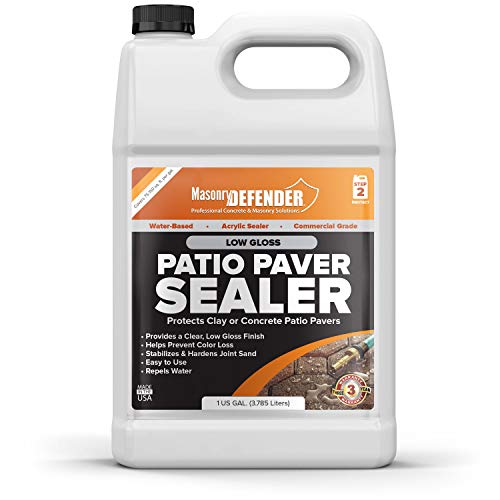
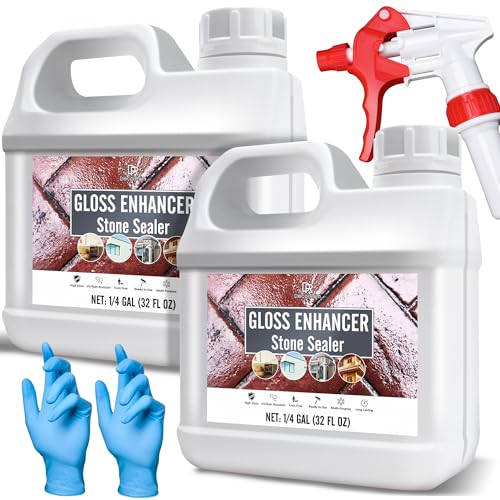
Another maintenance tip we suggest is applying sealant to pavers to enhance their durability and prevent sinking. Sealants create a protective barrier on the surface of the pavers, reducing water penetration and minimizing the risk of erosion beneath the stones. By sealing the pavers, we can safeguard them against external elements and help maintain the integrity of the paved area.
When applying sealant, ensure that the pavers are clean and dry to promote optimal adhesion. Follow the manufacturer’s instructions regarding the application process, including the recommended drying time between coats. Regularly reapplying sealant as part of your maintenance routine can prolong the lifespan of the pavers and contribute to a stable and aesthetically pleasing outdoor space.
By incorporating regular inspection, cleaning, and sealant application into your maintenance routine, you can effectively prevent sinking pavers and preserve the longevity and appeal of your outdoor paved areas.
Conclusion
By implementing proper soil compaction, drainage solutions, and installation techniques, we can effectively prevent pavers from sinking in outdoor spaces. Regular maintenance practices such as inspection, cleaning, and applying sealant play a crucial role in preserving the stability and longevity of paved areas. With these proactive measures, we can ensure a durable and visually appealing surface that withstands the test of time. Remember, a little maintenance goes a long way in keeping your outdoor spaces looking their best.