So, you’ve just had those beautiful pavers installed in your driveway or patio, and now you’re wondering, “How long before we can actually drive on them?” It’s an exciting time, but patience is key when it comes to ensuring the longevity of your new pavers.

After all the hard work of installation, we want to enjoy the results as soon as possible, but rushing into driving on freshly laid pavers can lead to unwanted complications. In this article, we’ll explore the recommended waiting time before putting your wheels on those pristine pavers.
Understanding Paver Installation
The Importance of Proper Installation
As landscape designers, we understand the critical role that proper installation plays in the longevity and durability of your paver driveway or patio. Each step in the installation process is crucial to ensure that your pavers can withstand the test of time and daily use. From preparing the base to laying the pavers with precision, every detail matters.
We know that rushing through the installation process can lead to a range of issues, including uneven surfaces, shifting pavers, and potential structural damage. By taking the time to install the pavers correctly, you’re not just enhancing the aesthetics of your outdoor space but also investing in its long-term quality and performance.
Types of Pavers and Their Properties
When it comes to choosing pavers for your project, we recommend exploring the various types available and their specific properties. Different pavers offer unique characteristics, such as interlocking patterns, textures, and colors, to match your design preferences and functional requirements.
As experts in landscaping, we advise considering factors like durability, slip resistance, and maintenance when selecting pavers for your driveway or patio. Whether you opt for concrete pavers, clay bricks, or natural stone pavers, each type brings its advantages in terms of aesthetics and performance.
By understanding the properties of different pavers, you can make an informed decision that aligns with your design vision and ensures that your outdoor space remains both beautiful and functional for years to come.
Preparing the Base for Pavers
Excavation and Grading
When it comes to preparing the base for pavers, our first crucial step is excavation and grading. Before we even think about laying down those beautiful pavers, we need to ensure the ground is properly leveled and compacted. This process involves excavating the area to the required depth, removing any organic material, and then grading it to ensure proper water drainage away from your paved surface.
Compacting the Sub-Base
Once the area has been excavated and graded, our next task is compacting the sub-base. This step is essential for creating a stable foundation that will support your pavers and prevent them from shifting over time. Using a compactor, we compact the sub-base in layers, ensuring each layer is thoroughly compressed before adding the next one. Proper compaction is key to avoiding future issues such as settling or unevenness in your paved surface.




Laying the Pavers
The Role of Bedding Sand
When it comes to laying pavers, one crucial element that ensures a stable surface is bedding sand. It plays a vital role in providing a level bed for the pavers to sit on, aiding in their proper alignment and reducing the risk of shifting over time. We always recommend using coarse sand for this purpose as it allows for better compaction and drainage. Additionally, the thickness of the bedding sand layer is typically around one inch to support the pavers adequately.
Aligning and Setting Pavers
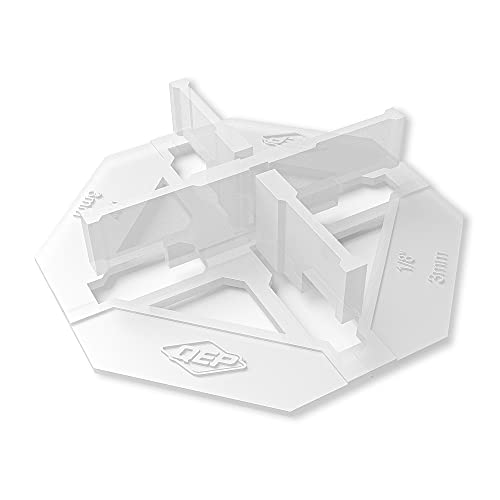
Properly aligning and setting the pavers is a meticulous yet rewarding process in paving projects. We start by placing edge restraints along the perimeter to keep the pavers in place. Next, we carefully lay the pavers in the desired pattern, ensuring uniform spacing between each piece. Using a rubber mallet, we gently tap the pavers into position, making sure they are level with the surrounding ones. After all pavers are set, we complete the process by spreading fine sand over the surface and sweeping it into the joints to lock the pavers in place. This final step enhances the stability and longevity of the paved area.
The Cure Time for Pavers
As landscape designers, we understand the significance of allowing the proper cure time for pavers to ensure a durable and long-lasting paved surface in driveways or patios. Proper installation is crucial, and patience is key to achieving optimal results.
Factors Affecting Cure Time
When considering the cure time for pavers, several factors come into play that can influence the overall duration. The type of paver material used, the weather conditions, and the type of bedding material are essential factors to consider.
- Paver Material: Different paver materials have varying cure times. For instance, concrete pavers may require a different cure time compared to clay pavers. It’s important to follow the manufacturer’s recommendations for each specific material to ensure proper curing.
- Weather Conditions: Weather plays a significant role in the curing process of pavers. Hot and dry weather can accelerate the curing time, while cold and damp conditions can prolong it. Monitoring the weather forecast and adjusting the curing process accordingly is essential for optimal results.
- Bedding Material: The type and quality of the bedding material used can impact the cure time of pavers. Properly compacted and leveled bedding sand provides stability and support for the pavers, aiding in the curing process.
Average Timeframes for Different Paver Materials
Each type of paver material has its own average cure time, and it’s essential to follow these guidelines to ensure the longevity and durability of the paved surface.





- Concrete Pavers: On average, concrete pavers require a cure time of around 48 to 72 hours before they can bear weight. However, full curing may take up to 28 days, during which time the pavers continue to strengthen.
- Clay Pavers: Clay pavers typically have a shorter cure time compared to concrete pavers, with an average of 24 to 48 hours before they can support weight. Like concrete pavers, full curing for clay pavers may take several weeks.
By understanding the factors that affect the cure time for pavers and following the recommended timeframes for different materials, we can ensure a stable, durable, and aesthetically pleasing paved surface for our clients to enjoy for years to come.
Aftercare and Maintenance
As landscape designers, we understand the importance of aftercare and maintenance to keep your newly installed pavers in top condition. Proper care ensures the longevity and aesthetics of your driveway or patio.
Sealing the Pavers
When it comes to paver aftercare, sealing is a critical step in protecting the surface from stains, weather damage, and color fading. We recommend applying a quality sealant to your pavers after the installation process and allowing them to cure adequately. This protective layer enhances the durability of the pavers and simplifies maintenance by making them easier to clean and maintain.
Cleaning and Upkeep Tips
Maintaining the cleanliness of your pavers is vital to preserve their appearance and structural integrity. Regularly sweeping the surface to remove debris and dirt prevents staining and mold growth. For more stubborn stains, we suggest using a mild detergent or specialized paver cleaner to keep them looking pristine. Additionally, periodic pressure washing can help remove grime and restore the original shine of your pavers.
By following these aftercare and maintenance tips, you can ensure that your pavers remain in excellent condition for years to come. Consistent upkeep not only enhances the visual appeal of your outdoor space but also protects your investment in a durable and beautiful paved surface.
« Unveiling the Secret Weapon for Perfect Paver Projects – Elevate Your Outdoor Space Now Unbelievable! Discover the Hidden Value of Block Paving – Is It Worth Your Investment? »
When to Drive on Newly Installed Pavers
In our experience as landscape designers, ensuring the longevity and optimal performance of newly installed pavers is vital. When it comes to driving on these surfaces, timing is crucial to prevent any damage and maintain the beauty of the paved area.
Weight Considerations and Limitations
When it comes to driving on freshly installed pavers, understanding weight limitations is key. As landscape experts, we recommend waiting at least 2-3 days before driving on the pavers with a passenger vehicle. This timeframe allows the pavers to settle properly and reduces the risk of cracking under the weight of the vehicle.
For larger vehicles such as trucks or RVs, it’s best to wait a bit longer before driving on the pavers. We suggest a waiting period of around 7-14 days to ensure that the pavers have fully set and can withstand the heavier load without sustaining any damage.
Signs That Pavers Are Ready for Vehicle Traffic
As professionals in the field, we know that there are clear indicators that pavers are ready for vehicle traffic. One significant sign is the absence of any movement or shifting when walking on the pavers. If the pavers feel stable and well-settled, it’s a good sign that they are ready to bear the weight of vehicles.
Additionally, inspecting the edges of the pavers for any signs of crumbling or displacement can help determine their readiness for vehicle traffic. Once the edges are firmly in place and there are no visible damages, it indicates that the pavers have settled correctly and can accommodate vehicles without issues.
By following these guidelines and considering weight limitations along with the signs of readiness, we can ensure that driving on newly installed pavers is done at the right time, preserving the integrity and aesthetics of the paved surface for years to come.
Conclusion
We’ve covered essential aspects of driving on pavers, stressing the need for patience and proper installation techniques. From base preparation to sealing and aftercare, each step plays a crucial role in maintaining paver durability. Understanding when it’s safe to drive on new pavers is key to preventing damage, with weight considerations and waiting periods based on vehicle size. By recognizing clear signs of readiness for vehicle traffic, we ensure the longevity and visual appeal of our paved surfaces. Remember, following these guidelines will help us enjoy our newly installed pavers for years to come.