Have you ever walked on a beautifully landscaped driveway or patio that felt both sturdy and green under your feet? That’s the magic of grass pavers. These innovative systems combine the durability of traditional pavement with the natural beauty of grass, creating a harmonious blend of functionality and aesthetics.

Grass pavers, also known as turf pavers or permeable pavers, are designed to support vehicular and pedestrian traffic while allowing grass to grow through them. This eco-friendly solution not only enhances the visual appeal of outdoor spaces but also helps with stormwater management and reducing heat island effects in urban areas.
In our upcoming article, we’ll explore the benefits of grass pavers, their installation process, and how they can transform ordinary surfaces into sustainable, green spaces. Join us as we delve into the world of grass pavers and discover the perfect marriage of strength and beauty in landscaping.
Understanding Grass Pavers
As landscape designers, we specialize in creating sustainable and aesthetically pleasing outdoor spaces. Grass pavers are an integral part of our design solutions, blending functionality with environmental consciousness. Let’s delve into the specifics of grass pavers to grasp their importance in our projects.
What Are Grass Pavers?
Grass pavers, also referred to as turf pavers or permeable pavers, are innovative systems that merge the strength of traditional pavement with the natural charm of grass. These pavers are designed to support both vehicular and foot traffic while enabling grass to grow through them. This unique feature allows us to pave areas without compromising the greenery of the landscape, seamlessly integrating infrastructure with nature.
The Benefits of Grass Pavers
In our projects, we prioritize the use of grass pavers for their multitude of benefits. Firstly, they enhance the visual appeal of outdoor spaces by blending the functionality of hardscapes with the softness of greenery. Additionally, grass pavers contribute to effective stormwater management by allowing rainwater to penetrate the ground, thus reducing runoff and erosion. Moreover, these pavers aid in combatting the heat island effect in urban areas by promoting natural cooling through grass growth.
Different Types of Grass Pavers
As landscape designers, we are well-versed in the various types of grass pavers available in the market. From plastic grids to concrete lattice structures, each type offers unique characteristics suitable for different project requirements. Plastic grass pavers are lightweight and easy to install, ideal for residential applications. On the other hand, concrete grass pavers provide enhanced durability, making them suitable for high-traffic areas such as parking lots and driveways. By understanding the nuances of these different types, we can select the most appropriate grass pavers to fulfill the design and functional needs of our projects.
How Grass Pavers Work
The Installation Process
When it comes to incorporating grass pavers into outdoor designs, we follow a systematic installation process that ensures both functionality and aesthetic appeal. Firstly, we prepare the area by excavating the ground to the required depth, allowing space for the base layers that will provide stability and support for the pavers. Next, we install a geotextile fabric to prevent soil erosion and promote proper drainage.
After preparing the base, we lay out the grass pavers according to the design plan, interlocking them securely to create a stable surface. These pavers are designed with void spaces that allow grass to grow through them, ensuring a seamless blend of greenery and hardscaping. Once the pavers are in place, we fill the voids with a suitable growth medium, such as soil or a specialized mixture, to support healthy grass growth.

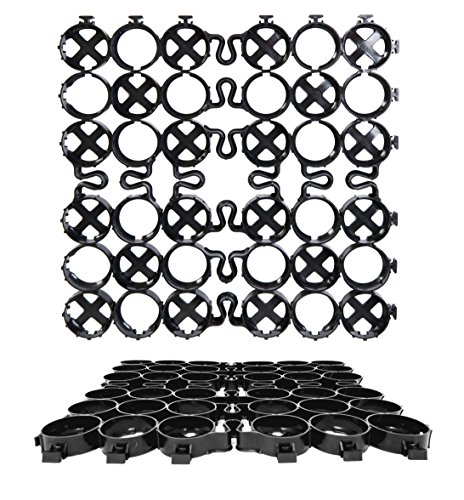

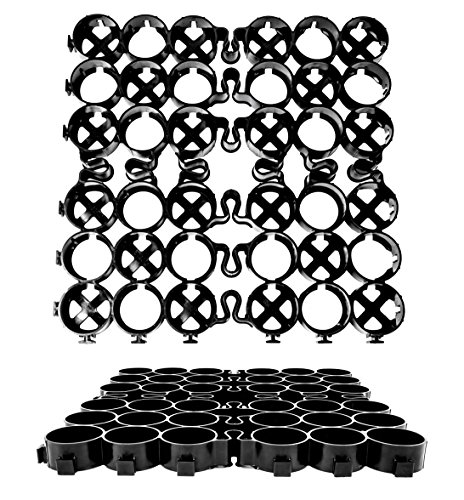


To finish the installation, we compact the pavers to secure them in position and promote even weight distribution. We also ensure proper edge restraints to maintain the integrity of the grass paver system. Our installation process focuses on creating a durable and eco-friendly solution that enhances outdoor spaces while promoting sustainability.
Grass Paver Maintenance
Ensuring the longevity and functionality of grass pavers requires regular maintenance to preserve their appearance and structural integrity. As landscape designers, we recommend a few key maintenance practices to keep grass pavers in optimal condition.
Regular mowing and trimming of the grass that grows through the pavers are essential to prevent overgrowth and maintain a neat appearance. It’s also important to inspect the pavers periodically to remove any debris or sediment that may accumulate in the void spaces, ensuring proper drainage and preventing blockages.
We advise using a gentle pressure wash to clean the surface of the pavers and remove any dirt or stains that may mar their aesthetic appeal. Additionally, applying a suitable grass fertilizer can help promote healthy growth and maintain the lush appearance of the grass within the pavers.
By following these maintenance practices diligently, we can help our clients enjoy a beautiful, functional outdoor space that seamlessly integrates grass pavers into their landscape design.




Environmental Impact of Grass Pavers
As landscape designers, we understand the importance of considering the environmental impact of our design choices. Grass pavers play a significant role in promoting sustainability and enhancing the ecological balance of outdoor spaces. Let’s explore how grass pavers contribute to a positive environmental impact.
Erosion Control
Grass pavers are instrumental in controlling erosion in various landscapes. By allowing grass to grow through the paver system, we can prevent soil erosion caused by water runoff and vehicular traffic. The interlocking grid structure of grass pavers stabilizes the soil, reducing erosion and preserving the integrity of the landscape. In sloped areas or regions prone to erosion, grass pavers provide an effective solution to maintain soil stability while promoting healthy grass growth.
Water Permeability and Management
One of the key environmental benefits of grass pavers is their superior water permeability and management capabilities. The open grid design of grass pavers allows rainwater to infiltrate the ground naturally, reducing stormwater runoff and minimizing the risk of flooding. This promotes groundwater recharge, maintains soil moisture levels, and prevents water pollution by filtering out pollutants and contaminants. By incorporating grass pavers into outdoor spaces, we can effectively manage water resources while supporting healthy vegetation growth.
Grass pavers offer significant environmental advantages by promoting erosion control, water permeability, and sustainable landscaping practices. As landscape designers, we prioritize incorporating eco-friendly solutions like grass pavers to create aesthetically appealing outdoor environments that benefit both our clients and the planet.
Design Considerations for Grass Pavers
As landscape designers, we carefully consider various elements when incorporating grass pavers into outdoor spaces.
« Unveiling the Secret World of Pavers: All You Need to Know Uncover the Ultimate Pavers Sand Alternative Secrets for Eco-Friendly Landscaping Bliss »
Aesthetic Appeal
When it comes to the aesthetic appeal of grass pavers, we focus on seamlessly blending the functional aspects with visual appeal. By allowing grass to grow through the paver system, we create a harmonious integration of greenery within the hardscape. This natural look enhances the overall beauty of the outdoor space, making it more inviting and sustainable.
Load-Bearing Capacity
Considering the load-bearing capacity of grass pavers is crucial in ensuring their longevity and performance. We assess the specific requirements of the site to determine the appropriate thickness and design of the pavers to support various types of traffic, from pedestrians to vehicles. By selecting grass pavers with the right load-bearing capacity, we ensure the durability and effectiveness of the installation while maintaining the visual integrity of the landscape design.
Comparing Grass Pavers to Traditional Paving Methods
Cost Analysis
When comparing grass pavers to traditional paving methods, we find that grass pavers offer a cost-effective solution over the long term. Initially, the installation cost of grass pavers may be slightly higher due to the additional materials required for a permeable base and proper soil preparation. However, in the long run, the maintenance costs are significantly lower. Unlike traditional paving methods that may crack or require regular repairs, grass pavers are durable, reducing the need for frequent replacements, thus saving on maintenance expenses. Additionally, the environmental benefits provided by grass pavers, such as improved stormwater management, can result in potential cost savings in landscaping projects.
Longevity and Durability
One of the key advantages of grass pavers compared to traditional paving methods is their longevity and durability. Grass pavers are designed to withstand heavy loads while allowing grass to grow through the system, creating a stable and green surface. This unique combination of strength and natural aesthetics ensures that the pavers maintain their integrity over time, even in high-traffic areas. Traditional paving methods may deteriorate over time, leading to cracks, erosion, or uneven surfaces, requiring frequent repairs or replacements. In contrast, grass pavers offer a sustainable and long-lasting solution that enhances the overall durability of outdoor spaces, making them a preferred choice for landscape designers looking to create sustainable and visually appealing environments.
Use Cases for Grass Pavers
Residential Applications
In our experience as landscape designers, we’ve found that grass pavers offer an excellent solution for various residential applications. From driveways to backyard patios, these innovative pavers can transform ordinary outdoor spaces into environmentally-friendly and visually appealing areas.
When designing residential landscapes, we often recommend incorporating grass pavers for driveways. Unlike traditional concrete or asphalt surfaces, grass pavers allow for better water drainage, reducing runoff and minimizing erosion. Additionally, the integration of grass within the paver system adds a touch of greenery, enhancing the overall aesthetics of the driveway.
For backyard patios and garden pathways, grass pavers create a harmonious blend of functionality and beauty. They provide a stable surface for walking or outdoor furniture while promoting grass growth, giving homeowners a sustainable and low-maintenance landscaping solution. Moreover, the natural look of grass pavers adds charm to outdoor living spaces, making them ideal for eco-conscious homeowners looking to create a green oasis.
Commercial and Public Spaces
In commercial and public spaces, the versatility of grass pavers makes them a valuable asset for sustainable landscaping projects. As landscape designers, we’ve witnessed the benefits of grass pavers in various settings, from parking lots to pedestrian walkways in parks and recreational areas.
One notable application of grass pavers in commercial settings is for parking lots. By using grass pavers instead of traditional concrete or asphalt, businesses can reduce stormwater runoff, mitigate heat island effects, and create a more welcoming environment for customers and employees. The durability of grass pavers also ensures long-term cost savings, making them a practical and eco-friendly choice for commercial properties.
In public parks and recreational areas, grass pavers offer a green alternative to conventional pavement, allowing for better water infiltration and supporting the growth of vegetation. These permeable pavers help mitigate flooding issues, improve air quality, and contribute to the overall sustainability of public spaces. Additionally, the aesthetic appeal of grass pavers enhances the visual appeal of parks and recreational areas, creating inviting outdoor environments for visitors to enjoy.
Conclusion
Grass pavers offer a sustainable and visually appealing solution for enhancing outdoor spaces. They play a crucial role in managing stormwater, reducing heat island effects, and seamlessly integrating nature into our surroundings. By combining functionality with aesthetic appeal, grass pavers provide a versatile option for both residential and commercial projects. Whether used in driveways, patios, parking lots, or walkways, grass pavers offer benefits such as improved water drainage, erosion control, and enhanced visual appeal. Their durability and eco-friendly nature make them an excellent choice for creating outdoor environments that benefit both us and the environment.