Gardening in Coastal Virginia offers a unique blend of challenges and rewards. The salty air and sandy soils create a distinctive environment that shapes the types of plants that thrive here. Navigating these conditions can be tricky, but with the right strategies, you can cultivate a vibrant and resilient garden.

From vibrant azaleas blooming in spring to sturdy live oaks providing shade in the summer, there’s something truly special about growing plants that embrace the coastline’s beauty. I’ve spent years experimenting and learning what works best in this climate, and I’m excited to share those insights with you.
In this article, I’ll walk you through essential tips for selecting the right plants, preparing your soil, and maintaining your garden against the coastal elements. Together, we can create a beautiful, sustainable oasis right here in Coastal Virginia.
Climate and Weather Conditions
Understanding Coastal Virginia’s climate is crucial for successful gardening. The region experiences a humid subtropical climate with distinct seasonal variations.
Soil Types
Coastal Virginia primarily has sandy soils, characterized by quick drainage and low nutrient content. To enhance soil fertility, I add organic matter like compost or well-rotted manure. Incorporating gypsum improves soil structure by reducing compaction and increasing permeability. Mulching helps retain moisture and suppress weeds, supporting healthy plant growth.
Seasonal Considerations
Gardening throughout the year requires adapting to Coastal Virginia’s seasonal changes. Here’s an overview of key climatic factors each season presents:
| Season | Average Temperature | Rainfall (inches) | Key Gardening Activities |
|---|---|---|---|
| Spring | 50-70°F | 4-5 | Plant heat-tolerant species, prepare garden beds |
| Summer | 70-90°F | 3-4 | Consistent watering, pest management |
| Fall | 55-75°F | 4-5 | Plant perennials, clean up garden debris |
| Winter | 30-50°F | 2-3 | Protect sensitive plants, plan for next season |
Adjusting gardening practices to these seasonal patterns ensures a thriving Coastal Virginia garden.
Best Plants for Coastal Virginia
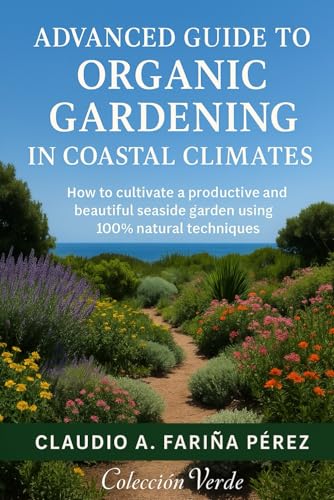
Gardening in Coastal Virginia means choosing plants that thrive in salty air and sandy soils. I prioritize native vegetation and drought-tolerant varieties to maintain a vibrant garden.
Native Vegetation
Native plants adapt well to Coastal Virginia’s climate and soil conditions. They require minimal maintenance and support local wildlife.




- Live Oaks: Provide shade and withstand strong winds.
- Beach Plum (Prunus maritima): Offers beautiful spring blooms and edible fruits.
- Southern Wax Myrtle (Myrica cerifera): Acts as a natural barrier against pests.
- Black-eyed Susan (Rudbeckia hirta): Attracts pollinators with its bright flowers.
- Eastern Red Cedar (Juniperus virginiana): Enhances privacy and resists drought.
Drought-Tolerant Varieties
Selecting drought-tolerant plants ensures your garden remains lush during dry periods. These varieties require less water and thrive in well-drained soils.
- Lavender (Lavandula spp.): Emits a pleasant fragrance and attracts bees.
- Sedum (Sedum spp.): Features succulent leaves that store water.
- Coneflower (Echinacea purpurea): Displays vibrant colors and medicinal properties.
- Yucca (Yucca filamentosa): Showcases striking architecture and low water needs.
- Agave (Agave americana): Adds a dramatic look with its spiky leaves.
Gardening Techniques
Gardening in Coastal Virginia demands specific techniques to overcome sandy soils and frequent pests. Here’s how I manage soil and control pests effectively.
Soil Preparation
Enhancing sandy soil improves moisture retention and fertility. I incorporate organic compost and aged manure to boost nutrient levels. Additionally, adding gypsum reduces soil acidity. Applying mulch conserves moisture and suppresses weeds, creating a stable garden foundation.
Pest Management
- Beneficial Insects: Encourage ladybugs and lacewings to naturally control aphids.
- Physical Barriers: Use row covers to protect plants from common coastal pests.
- Organic Treatments: Apply neem oil or insecticidal soap to address infestations without harming the environment.
Landscaping Ideas
Integrating native plants enhances your coastal garden’s resilience. Live oaks, beach plums, and black-eyed Susans thrive in salty air and sandy soil. Incorporating these species supports local wildlife and reduces maintenance needs.
Garden Structures
Adding structures like pergolas and arbors provides shade and defines garden spaces. These elements protect plants from strong coastal winds and create focal points. Using materials resistant to salt corrosion, such as stainless steel or treated wood, ensures longevity.




Soil Improvement
Enhancing sandy soil boosts plant health. Incorporate organic compost and aged manure to increase moisture retention and nutrient levels. Applying a 2-inch layer of mulch conserves soil moisture and suppresses weed growth, promoting a stable garden environment.
Water Management
Implementing efficient irrigation systems supports plant hydration. Drip irrigation delivers water directly to plant roots, minimizing evaporation in the dry coastal climate. Installing rain barrels collects seasonal rainfall, reducing water usage and providing a sustainable water source.
Wind Protection
Establishing windbreaks safeguards delicate plants. Planting dense shrubs or installing fencing blocks harsh coastal winds, reducing plant stress and preventing soil erosion. Positioned strategically, windbreaks create sheltered areas for vulnerable vegetation.
Pathways and Hardscaping
Incorporating stone or gravel pathways enhances garden accessibility and aesthetic appeal. These materials withstand sandy conditions and require minimal maintenance. Designing winding paths guides visitors through the garden, highlighting various plant displays and structures.
Color Coordination
Choosing a cohesive color palette unifies your garden’s appearance. Select flowering plants with complementary hues to create vibrant displays throughout the seasons. Consistent color schemes enhance visual harmony and make your garden inviting year-round.
« Building a Retaining Wall with Natural Stone: Complete DIY Guide Top Trends in Vertical Gardening: Sustainable and Smart Solutions for Urban Spaces »
Sustainable Practices
Adopting sustainable landscaping practices ensures long-term garden health. Utilize native and drought-tolerant plants to reduce water dependency. Incorporate composting systems to recycle garden waste, enriching the soil and minimizing environmental impact.
Lighting Solutions
Installing solar-powered lighting highlights garden features after dusk. Pathway lights improve safety, while accent lighting showcases plants and structures. Energy-efficient lighting options reduce electricity usage and enhance your garden’s nighttime ambiance.
Outdoor Living Spaces
Creating outdoor living areas extends your garden’s functionality. Install seating areas, outdoor kitchens, or fire pits to enjoy the coastal environment. These spaces provide relaxation spots and entertain guests, making your garden a versatile extension of your home.
Seasonal Planting
Planning for seasonal variations ensures year-round interest. Select a mix of evergreen and deciduous plants to maintain structure and color through all seasons. Rotate annuals and perennials to introduce new blooms and sustain garden vitality.
Wildlife Attraction
Designing your garden to attract wildlife fosters a dynamic ecosystem. Incorporate bird feeders, butterfly-friendly plants, and water sources to encourage diverse species. Supporting local fauna enhances biodiversity and enriches your gardening experience.
Maintenance Strategies
Implementing effective maintenance routines keeps your garden thriving. Regular pruning, fertilizing, and pest control prevent overgrowth and disease. Adopting organic methods promotes a healthy garden ecosystem and reduces reliance on chemical treatments.
Functional Zones
Dividing your garden into functional zones organizes space effectively. Designate areas for planting, relaxation, and storage to optimize garden use. Clear boundaries improve workflow and enhance the overall efficiency of your landscaping efforts.
Decor Elements
Adding decorative elements personalizes your garden space. Incorporate sculptures, garden art, or water features to reflect your style. These touches create visual interest and make your coastal garden uniquely yours.
Erosion Control
Implementing erosion control measures protects your garden from coastal conditions. Use ground covers, terracing, or retaining walls to stabilize soil and prevent washouts. Effective erosion control maintains garden integrity and preserves plant health.
Accessibility Features
Designing for accessibility ensures everyone can enjoy your garden. Install wide pathways, raised beds, and ergonomic seating to accommodate all visitors. Accessible garden designs promote inclusivity and enhance the overall user experience.
Resources for Gardeners
Local Nurseries
- Coastal Virginia Nurseries: Provide native and drought-tolerant plants ideal for sandy soils.
- Seaside Garden Center: Offers expert advice and region-specific gardening supplies.
Gardening Organizations
- Virginia Cooperative Extension: Delivers research-based information on soil improvement and pest management. Website
- Southwest Virginia Garden Club: Hosts workshops and connects local gardeners. Website
Online Resources
- Virginia Native Plant Society: Features a comprehensive database of native species and gardening guides. Website
- CoastalGardening.com: Provides tips and forums for Coastal Virginia gardening challenges.
Workshops and Courses
- Local Botanical Gardens: Conduct seasonal classes on sustainable gardening and native plant cultivation.
- Community Colleges: Offer horticulture and landscape design courses tailored to Coastal Virginia’s climate.
Government and Environmental Resources
- USDA Plant Hardiness Zone Map: Identifies suitable plants for specific areas within Coastal Virginia. Website
- EPA Sustainable Gardening Guidelines: Outlines environmentally friendly pest management practices. Website
Seed Suppliers
- Virginia Seed Exchange: Specializes in native and resilient plant seeds for Coastal gardens.
- Coastal Seeds LLC: Offers a variety of seeds suited for sandy and salty environments.
Tools and Equipment
- Local Hardware Stores: Stock essential gardening tools and supplies tailored to Coastal Virginia’s needs.
- Online Retailers: Provide specialized equipment for soil enhancement and irrigation systems.
Community Support
- Garden Meetups: Facilitate knowledge sharing and support among local gardeners.
- Volunteer Programs: Engage in community gardening projects to gain hands-on experience and resources.
Conclusion
Gardening in Coastal Virginia has truly been a rewarding experience for me. Navigating the salty air and sandy soils has deepened my appreciation for the resilience of native plants.
Seeing azaleas in full bloom and live oaks standing strong fills me with pride and joy. Each season brings new opportunities and challenges keeping my garden vibrant and ever-changing.
I hope my journey inspires you to create your own garden oasis here. With the right techniques and a bit of patience you can cultivate a thriving space that not only enhances your home but also supports our local ecosystem. Embrace the beauty and uniqueness of Coastal Virginia gardening and enjoy the peace and satisfaction it brings. Happy gardening!