Have you ever wondered if sealing pavers could make them slippery when wet? It’s a common concern for many homeowners looking to protect and enhance their outdoor spaces. In our upcoming article, we’ll explore this topic to help you make an informed decision about maintaining your pavers.
Sealing pavers can offer numerous benefits, such as protection from stains and color fading. However, the potential for slipperiness after sealing is a valid point to consider. We’ll delve into the factors that contribute to pavers becoming slippery when wet and provide practical tips on how to mitigate this issue.
Join us as we uncover the truth about whether sealing pavers can indeed make them slippery when wet. Stay tuned for expert insights and guidance on how to strike the perfect balance between protection and safety for your outdoor surfaces.
Understanding Paver Sealing
As landscape designers, we understand the importance of sealing pavers to maintain their quality and appearance over time. Many homeowners wonder whether sealing pavers can make them slippery when wet. Let’s delve into the details to shed some light on this common concern while considering the benefits and types of paver sealants available.
Benefits of Sealing Pavers
When it comes to paver maintenance, sealing is a crucial step that offers numerous advantages. By applying a sealant to pavers, we help protect them from various elements, including stains, color fading, and water damage. Sealing also enhances the pavers’ durability and longevity by providing a protective barrier against oil, dirt, and UV rays. This preservation not only maintains the aesthetics of the outdoor space but also reduces the need for frequent cleaning and repairs, saving time and effort in the long run.
Types of Paver Sealants
There are different types of sealants designed for specific paver materials and finishes. Acrylic sealers are popular for their UV resistance and ability to enhance the colors of the pavers. They create a glossy finish that can revitalize worn-out surfaces. On the other hand, penetrating sealers work by seeping into the pavers, providing protection without altering their appearance. This type of sealant is ideal for retaining the natural look of the pavers while offering excellent water resistance.
As landscape designers, we recommend choosing the right type of sealant based on the paver material, location, and desired finish. Understanding the benefits and differences between sealants can help homeowners make informed decisions to ensure their pavers remain attractive and functional for years to come. Stay tuned for valuable insights on preventing pavers from becoming slippery when wet to strike the perfect balance between protection and safety in outdoor spaces.
The Slippery Debate: Sealed vs. Unsealed Pavers
How Sealant Affects Paver Traction
When it comes to the traction of sealed versus unsealed pavers, our experience as landscape designers shows that the type of sealant used plays a crucial role. Sealants can vary in their impact on traction, with some formulations enhancing grip on surfaces, while others may lead to a smoother finish that could potentially be slippery when wet. It’s essential to consider the specific needs of the outdoor area when selecting a sealant to ensure the optimal balance between protection and safety.
The Role of Sealant Finish
In our practice, we’ve observed that the finish of the sealant strongly influences the slipperiness of pavers when exposed to moisture. Glossy or high-sheen sealant finishes tend to create a smoother surface that can become slippery, especially in rainy conditions. On the other hand, matte or textured sealant finishes provide better traction and reduce the risk of slipping, making them a preferable choice for areas where slip-resistance is a top priority. Selecting the right sealant finish is crucial in maintaining a safe and functional outdoor space while preserving the aesthetic appeal of the pavers.


Choosing the Right Sealant for Traction
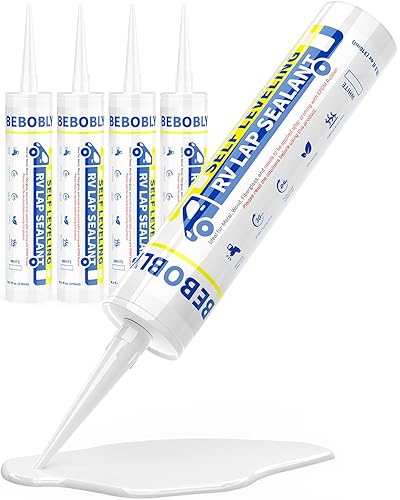
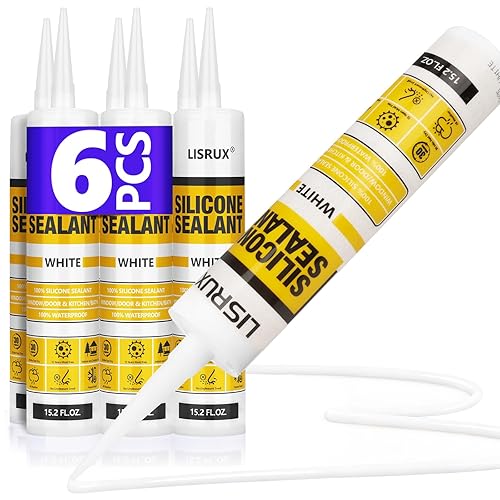
As landscape designers, we understand the critical importance of selecting the appropriate sealant to ensure both the longevity of your pavers and the safety of those using the outdoor space. When it comes to sealants, prioritizing traction is key to prevent slips and falls in wet conditions while maintaining the protective benefits of sealing.
Sealants with Non-Slip Additives
In our experience, sealants with non-slip additives are a wise choice for areas where traction is a primary concern. These additives help create a textured surface that enhances grip, reducing the risk of accidents on wet pavers. When opting for a sealant with non-slip properties, you can enjoy the benefits of a sealed surface without compromising safety.
Matte vs. Glossy Sealants
When considering sealant finishes, we often recommend matte sealants for outdoor pavers. Matte finishes provide a more natural look while offering improved traction compared to glossy counterparts. Glossy sealants, on the other hand, can result in slippery surfaces when wet, potentially posing hazards in high-traffic areas.
By carefully weighing the advantages of matte sealants for improved traction and the aesthetics they offer, you can strike a balance between preserving your pavers and ensuring a safe environment for everyone using the outdoor space. As landscape designers, it’s crucial to consider both functionality and safety when selecting the right sealant for your project.
Maintenance Tips for Sealed Pavers
Regular Cleaning Practices
When it comes to maintaining sealed pavers, regular cleaning practices are essential to ensure their longevity and aesthetic appeal. We recommend incorporating a simple cleaning routine into your outdoor maintenance schedule. Sweep the pavers regularly to remove debris and dirt buildup that can potentially make the surface slippery when wet.



For a more thorough cleaning, we suggest using a mild detergent mixed with water to scrub the sealed pavers gently. Avoid harsh chemicals that can compromise the integrity of the sealant. After cleaning, rinse the pavers thoroughly with water to remove any soapy residue.
Reapplication of Sealant
To keep your sealed pavers in top condition, periodic reapplication of the sealant is necessary. Over time, exposure to the elements can wear down the protective sealant layer, making the pavers more susceptible to staining and fading. We recommend inspecting the pavers regularly to assess the condition of the sealant.
When it’s time for reapplication, ensure the pavers are clean and dry before starting the process. Follow the manufacturer’s guidelines for the specific sealant used, and apply the new coat evenly to maintain the pavers’ protective barrier. By staying vigilant with resealing, you can prolong the life of your pavers and keep them looking pristine for years to come.
The Impact of Weather on Sealed Pavers
Wet Conditions and Sealant Performance
When it comes to the impact of weather on sealed pavers, one crucial factor to consider is how they interact with wet conditions. Sealed pavers, especially those treated with certain types of sealants, can become slippery when exposed to water. This slipperiness can pose safety concerns, particularly in outdoor spaces where moisture is prevalent.
To ensure that sealed pavers maintain traction even when wet, it’s essential to choose the right sealant with non-slip properties. Opting for matte sealants specifically designed for outdoor pavers can significantly enhance grip on wet surfaces. By selecting sealants that prioritize traction, we can strike a balance between protecting the pavers and ensuring a safe environment for users, even during inclement weather.
« Unlock the Ultimate Secret to Transforming Your Pavers with Pressure Washing Sand Unveiling the Global Phenomenon: Discover Where You Can Find Pavers Shoes Near You »
Cold Weather Considerations
In colder climates, weather conditions can further impact the performance of sealed pavers. Frost and ice can accumulate on the surface of pavers, potentially leading to slippery conditions. When sealed pavers are exposed to cold weather, it’s essential to monitor their condition and address any issues promptly.
To mitigate the effects of cold weather on sealed pavers, regular maintenance is key. By following a proper cleaning routine and avoiding harsh chemicals that can compromise the sealant, we can help preserve the pavers’ integrity even in low temperatures. Additionally, considering sealants that are formulated to withstand varying weather conditions, including cold spells, can contribute to the longevity and durability of paved areas in outdoor settings.
Conclusion
Sealing pavers offers protection against stains and fading, with a focus on maintenance and the right sealant choice. We’ve explored various options and their impact on traction, recommending non-slip additives for better grip on wet surfaces. Opting for matte sealants for outdoor pavers can enhance safety. Weather conditions, especially wet and cold environments, affect sealed pavers. It’s crucial to select sealants that maintain traction in water and endure cold temperatures for safety and durability. Regular upkeep, appropriate cleaning practices, and choosing weather-resistant sealants are vital for preserving sealed pavers.