When it comes to outdoor spaces, concrete pavers are a popular choice for many homeowners. However, despite their durability and versatility, there are some drawbacks to consider. In this article, we’ll explore the disadvantages of using concrete pavers for your landscaping projects.

While concrete pavers offer a cost-effective solution for creating beautiful patios, driveways, and walkways, they do come with their own set of challenges. From potential cracking due to shifting ground to the labor-intensive installation process, there are factors to weigh before committing to this material. Let’s delve into the downsides of concrete pavers and how to address them for a successful outdoor design.
Understanding the Basics of Concrete Pavers
What Are Concrete Pavers?
As landscape designers, we frequently incorporate concrete pavers in outdoor projects. Concrete pavers are precast concrete blocks used to create hard outdoor surfaces such as patios, walkways, and driveways. These pavers come in various shapes, sizes, and colors, providing flexibility in design options.
How Are Concrete Pavers Used?
When designing outdoor spaces, we often utilize concrete pavers due to their durability and aesthetic appeal. Concrete pavers are laid on a compacted base of sand or gravel, creating a stable surface for walking or driving. Their interlocking nature allows for easy installation and repair, making them a popular choice for residential and commercial landscapes alike.
The Aesthetic Drawbacks of Concrete Pavers
Limited Design and Color Options
When considering the aesthetic aspects of concrete pavers, one significant drawback that we often encounter as landscape designers is the limited design and color options available compared to natural stone or other materials. Concrete pavers, while versatile, may not offer the same variety and uniqueness that natural materials provide. This limitation can sometimes restrict our creative freedom when designing outdoor spaces, particularly for clients looking for a specific aesthetic or theme that requires a broader range of colors and designs.
Inconsistency in Color and Texture Over Time
Another notable drawback we’ve observed with concrete pavers is the potential for inconsistency in color and texture over time. Due to factors such as exposure to sunlight, weathering, and wear, concrete pavers can fade or change in texture at varying rates, leading to a less uniform appearance across the paved surface. This lack of long-term color and texture uniformity can detract from the overall visual appeal of the landscape design, especially in high-traffic areas or regions with extreme weather conditions.
As landscape designers, we always strive to balance the aesthetic appeal of outdoor spaces with practical considerations, taking into account the long-term effects of material choices on the overall look and feel of the landscape. By understanding and addressing these aesthetic drawbacks of concrete pavers, we can better advise our clients on suitable alternatives that align with their design preferences and durability requirements.
Durability Concerns with Concrete Pavers
Susceptibility to Cracking and Chipping
When considering the durability of concrete pavers, we must acknowledge their susceptibility to cracking and chipping over time. Despite being known for their strength, concrete pavers are not impervious to damage. Factors such as heavy loads, freeze-thaw cycles, and tree roots can contribute to the formation of cracks and chips in concrete pavers. While proper installation techniques and quality materials can help mitigate these issues, it’s essential to be aware of the potential for damage that concrete pavers may face, requiring proactive maintenance to address any issues promptly.
Weather-Related Damage and Maintenance
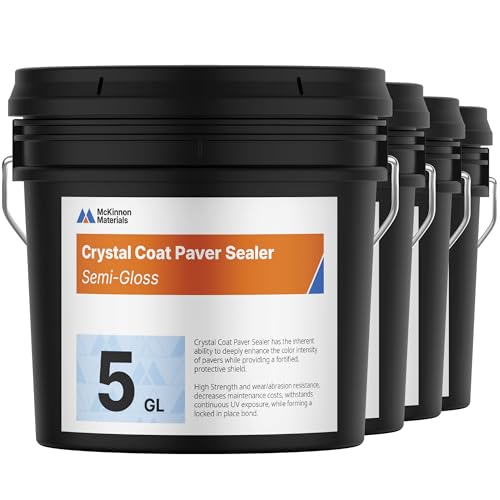
Weather conditions play a significant role in the maintenance of concrete pavers. Exposure to elements like rain, sunlight, and snow can gradually wear down the surface of pavers, leading to discoloration, fading, and erosion of the top layer. To maintain the longevity and appearance of concrete pavers, regular maintenance tasks such as cleaning, sealing, and repairing damaged areas are crucial. Additionally, the climate in which the pavers are installed can impact their lifespan, with harsh weather conditions accelerating the wear and tear process. As landscape designers, we must consider these weather-related factors when recommending concrete pavers for outdoor projects and provide guidance on proper maintenance practices to ensure the pavers remain aesthetically pleasing and functional for years to come.




Environmental Impact of Concrete Pavers
Carbon Footprint of Concrete Production
As landscape designers, we are mindful of the environmental implications of the materials we recommend, including concrete pavers. One significant concern is the carbon footprint associated with concrete production. Concrete manufacturing is energy-intensive, requiring high temperatures for the production of cement, a key component of concrete pavers. The process emits greenhouse gases, contributing to carbon emissions that impact the environment. When suggesting concrete pavers for landscaping projects, we consider this environmental impact and work to balance it with other design considerations.
Non-Porous Nature and Water Runoff Issues
Another aspect we take into account when evaluating concrete pavers is their non-porous nature, which can lead to water runoff issues. Unlike permeable materials that allow water absorption, concrete pavers create impermeable surfaces that can contribute to water pooling and runoff. This runoff can affect drainage systems, leading to potential flooding and erosion in outdoor spaces. We address this concern by incorporating proper planning and design techniques to minimize water runoff issues when using concrete pavers in landscaping projects.
Installation and Repair Challenges
Complexity of the Installation Process
When incorporating concrete pavers into our landscaping projects, we face challenges related to the intricate installation process. Unlike other materials that may be easier to work with, such as natural stone, laying concrete pavers requires precision and expertise. Each paver must be carefully placed to ensure a level surface, which can be time-consuming and labor-intensive.
Additionally, the process of properly preparing the base and ensuring adequate drainage adds another layer of complexity to the installation. We need to consider factors like soil compaction and the use of base materials to prevent issues such as shifting and settling over time. These complexities can make the installation of concrete pavers a more involved task compared to other landscaping materials.
Difficulty in Matching Replacement Pavers
Another challenge we encounter when working with concrete pavers is the difficulty in matching replacement pavers. Over time, pavers may become damaged due to various factors like heavy foot traffic or environmental wear and tear. When a paver needs replacement, finding an exact match in terms of color, texture, and size can be a significant challenge.




Unlike natural materials that may have more variation and uniqueness, concrete pavers are manufactured, making it challenging to find the exact match for older pavers. This difficulty in matching replacement pavers can affect the overall aesthetic of the landscape, as the new paver may stand out among the existing ones. As landscape designers, we need to consider this challenge when recommending concrete pavers and advise clients on potential solutions to maintain the visual coherence of their outdoor spaces.
Cost Considerations for Concrete Pavers
When considering the cost of using concrete pavers in landscaping projects, we, as landscape designers, are mindful of various factors that can impact both the initial installation expenses and the long-term maintenance costs.
Initial Installation Costs Compared to Alternatives
Concrete pavers, while offering versatility in design and color options, can present challenges in terms of the initial installation costs compared to alternatives such as natural stone or asphalt. The intricacies involved in preparing the base, ensuring precise placement, and addressing potential issues like drainage requirements can contribute to higher upfront expenses when opting for concrete pavers. As landscape designers, we weigh these costs against the aesthetic appeal and durability benefits that concrete pavers provide, offering a balanced perspective to our clients.
Long-Term Maintenance Expenses
In assessing the long-term maintenance expenses of concrete pavers, we acknowledge the need for periodic upkeep to preserve their appearance and functionality. Sealing the pavers, addressing any potential weed growth between the joints, and repairing any cracks or damages are essential tasks to ensure the longevity of concrete pavers. While the durability of concrete pavers can reduce the frequency of replacements compared to some alternatives, the maintenance requirements should be factored into the overall cost considerations for our clients’ landscaping projects. As landscape designers, we provide guidance on establishing maintenance schedules and proactive measures to minimize long-term expenses associated with concrete pavers.
Conclusion
Considering the various aspects of using concrete pavers in landscaping projects, it’s evident that while they offer durability and design versatility, there are significant drawbacks to be mindful of. Issues like cracking, labor-intensive installation, and ongoing maintenance costs should be weighed against the benefits they provide. Landscape designers play a crucial role in guiding clients on the overall value proposition of concrete pavers, factoring in both initial expenses and long-term upkeep. By balancing aesthetic appeal with practical considerations, we can create sustainable outdoor spaces that meet both functional and visual expectations. Making informed decisions based on a comprehensive understanding of the advantages and disadvantages of concrete pavers ensures that landscaping projects are both aesthetically pleasing and cost-effective in the long run.
« Unveiling the Shocking Truth: The Ultimate Cost Guide of Flagstone Pavers Exposed Discover the Ultimate Secret to Stunning Pavers with Turf Combos »