Planting beds come to life with the perfect blend of colors and textures. I’ve discovered that decorative pebbles are a fantastic way to add that finishing touch. They not only enhance the visual appeal but also help maintain the beauty of your garden.
Choosing the right pebbles can transform your planting space into a serene oasis. From vibrant stones to subtle earth tones there’s a pebble to match every style and preference. Let’s explore how you can use decorative pebbles to elevate your planting beds.
Benefits of Decorative Pebbles in Planting Beds
Enhances Visual Appeal
Decorative pebbles add vibrant colors and varied textures, transforming ordinary planting beds into striking features. For instance, using white and gray pebbles creates a modern contrast with green plants.
Suppresses Weed Growth
A layer of pebbles blocks sunlight, preventing weed seeds from germinating. This results in fewer weeds and reduces the need for constant maintenance.
Retains Soil Moisture
Pebbles help retain moisture by minimizing evaporation from the soil surface. This ensures plants stay hydrated, especially during hot and dry periods.
Improves Drainage
Decorative pebbles facilitate better drainage by allowing excess water to flow through easily. This prevents waterlogging and protects plant roots from rot.
Prevents Soil Erosion
Using pebbles stabilizes the soil, particularly on sloped planting beds. This reduces erosion caused by rain or irrigation, maintaining the garden’s structure.
Adds Texture and Depth
The variety in pebble sizes and colors introduces texture and depth to planting beds. This makes the garden more dynamic and visually interesting.
Low Maintenance
Once applied, decorative pebbles require minimal upkeep. They stay in place without needing frequent replacement, saving time and effort in garden care.


Protects Plant Roots
Pebbles act as a protective barrier, shielding plant roots from extreme temperatures and harsh weather conditions. This creates a more stable environment for healthy growth.
Types of Decorative Pebbles
Decorative pebbles come in various materials and styles, each offering unique benefits for your planting beds.
Natural Stone Pebbles
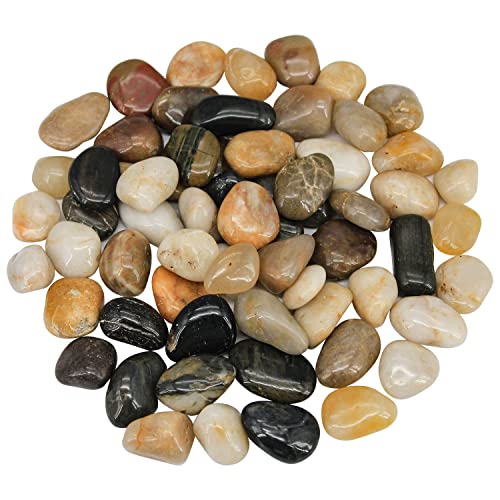
Natural stone pebbles include river rocks, slate, and lava stones. River rocks provide smooth textures and come in colors like gray, brown, and white, enhancing visual appeal. Slate adds a dark, sleek look, ideal for modern gardens. Lava stones offer porous surfaces that promote drainage and prevent waterlogging, ensuring healthy plant growth. Granite pebbles deliver durability and a range of natural hues, perfect for long-lasting garden accents.
Glass Pebbles
Glass pebbles add vibrant colors and a shiny appearance to planting beds. They reflect sunlight, creating sparkling effects that brighten your garden space. Available in colors such as blue, green, and red, glass pebbles can match or accentuate your garden’s color scheme. Durable and resistant to fading, these pebbles maintain their brightness over time. Additionally, glass pebbles come in various sizes, allowing for versatile design options in your planting beds.
Choosing the Right Pebbles
Selecting the right pebbles transforms your planting beds and supports plant health. I focus on color, texture, size, and shape to make informed choices.



Color and Texture
Color
- Complementary Hues: Choose pebbles that match your garden’s palette. For example, neutral tones like gray and brown blend seamlessly, while bold colors like red and blue create striking accents.
- Variety: Incorporate multiple colors to add visual interest. Mixing shades can highlight different plant species and garden features.
Texture
- Smooth Surfaces: Opt for smooth pebbles, such as river rocks, to create a sleek, polished look. They prevent soil erosion and are easy to move if needed.
- Rough Textures: Select rough stones like slate or lava rocks to add depth and contrast. Textured pebbles enhance the natural feel of your garden and provide tactile interest.
Size and Shape
Size
- Large Pebbles: Use pebbles larger than 1 inch for prominent coverage. They effectively suppress weeds and retain moisture in expansive planting beds.
- Small Pebbles: Choose pebbles smaller than 1 inch for detailed areas. They work well in flowerbeds and around delicate plants, providing subtle enhancements without overpowering the space.
- Round Pebbles: Incorporate round stones for a harmonious and soft appearance. They create a cohesive look and are easier to scatter evenly across planting beds.
- Angular Pebbles: Select angular stones to introduce structure and visual interest. Their sharp edges add contrast and can highlight specific garden elements.
Installation Tips
Installing decorative pebbles in your planting beds enhances both aesthetics and functionality. Follow these steps to achieve a flawless setup.
- Prepare the Area
Remove weeds and debris, then level the soil to create a smooth base for the pebbles.
- Install a Weed Barrier
Lay landscape fabric to prevent weed growth while allowing water to drain through.
- Edge the Bed
Define the planting area with edging materials like metal or plastic to keep pebbles contained.
- Choose the Right Pebbles
Select pebbles of consistent size and color, such as river rocks, slate, or glass pebbles, to match your garden style.
« Moroccan Garden Inspiration: Explore Vibrant Colors, Intricate Designs, and Tranquil Spaces How to Install a Stone Fountain: Step-by-Step Guide for Your Garden »
- Spread the Pebbles Evenly
Apply a 2-3 inch layer of pebbles across the bed, ensuring uniform coverage for a polished look.
- Secure the Pebbles
Gently press the pebbles into the soil and weed barrier to minimize movement and maintain placement.
- Water the Bed
Lightly water the planting area to help settle the pebbles and eliminate air pockets.
- Maintain Regularly
Replenish pebbles as needed and remove any debris to keep the planting bed looking fresh and tidy.
Maintenance and Care
Maintaining decorative pebbles in planting beds ensures they continue to enhance your garden’s beauty and functionality. Here’s how I keep my planting beds looking fresh and vibrant:
Regular Cleaning
I remove fallen leaves and debris weekly to prevent mold and pests. A garden rake or leaf blower works well for efficient cleanup. Keeping the pebble surface clear promotes better drainage and reduces weed growth.
Replenishing Pebbles
Every spring, I check the pebble layer and add more as needed to maintain a 2-3 inch depth. Over time, pebbles can shift or become buried. Adding fresh pebbles keeps the bed looking full and uniform.
Weed Control
Despite the weed barrier, some weeds might emerge. I manually remove any unwanted plants to maintain a tidy appearance. This proactive approach minimizes competition for nutrients and water, supporting healthy plant growth.
Seasonal Adjustments
In winter, I inspect the pebble bed for any displacement caused by snow or heavy rains. I redistribute pebbles to ensure even coverage and proper drainage. During summer, I may wash the pebbles with a hose to remove dust and maintain their vibrant colors.
Preventing Soil Erosion
After heavy storms, I check for signs of soil erosion around the planting beds. Adding extra pebbles in affected areas helps stabilize the soil and protects plant roots from excessive moisture and temperature fluctuations.
Inspecting for Damage
Periodically, I examine the pebbles for cracks or wear, especially if using glass or fragile stones. Replacing damaged pebbles preserves the bed’s aesthetic and prevents sharp edges from harming plants.
Tools and Supplies
| Task | Tools Needed | Frequency |
|---|---|---|
| Removing debris | Garden rake, leaf blower | Weekly |
| Replenishing pebbles | Hand trowel, wheelbarrow | Annually or as needed |
| Weed removal | Weeding tool, gloves | As needed |
| Seasonal adjustments | Hose, shovel | Seasonal |
| Preventing erosion | Trowel, additional pebbles | After heavy storms |
| Inspecting damage | Hand lens, replacement pebbles | Monthly |
By following these maintenance steps, I ensure my planting beds remain attractive and supportive of healthy plant growth throughout the year.
Cost and Value
Understanding the cost and value of decorative pebbles ensures efficient budgeting and long-term garden benefits. Natural stone pebbles range from $3 to $7 per cubic foot, while glass pebbles cost between $5 and $10 per cubic foot.
| Pebble Type | Cost per Cubic Foot |
|---|---|
| Natural Stone | $3 – $7 |
| Glass | $5 – $10 |
Investing in decorative pebbles provides lasting value due to their durability and minimal maintenance needs. Pebbles last indefinitely, reducing replacement costs. Their ability to suppress weeds and retain soil moisture lowers ongoing gardening expenses.
Additionally, decorative pebbles enhance garden aesthetics, potentially increasing property value. Compared to mulch, which requires annual replenishment costing $1 to $3 per square foot, pebbles offer a sustainable ground cover option.
Conclusion
Adding decorative pebbles to my planting beds transformed my garden into a tranquil retreat. It’s amazing how such simple elements can make a big difference. I’ve found that the right pebbles not only enhance the beauty but also make maintenance a breeze. If you’re looking to elevate your garden effortlessly decorative pebbles are definitely worth considering. Give them a try and enjoy the renewed charm they bring to your outdoor space.