There’s something magical about a garden that feels like a seaside escape. I’ve always loved how coastal-inspired designs bring a sense of calm and breezy charm right into your backyard. Whether it’s the soft hues of beach grass or the weathered look of driftwood, these gardens capture the essence of the shore without needing to live right by the ocean.

Creating a coastal garden isn’t just about looks—it’s about embracing the relaxed, effortless vibe of the coast. From hardy plants that thrive in salty air to clever ways to incorporate natural textures, there are so many ways to bring this style to life. Even if you’re miles from the beach, you can still create a space that feels like a personal seaside retreat.
Benefits Of Coastal Garden Designs
Coastal garden designs create outdoor spaces that offer tranquility and relaxation. Their soothing elements, like sandy hues, ocean-inspired colors, and natural materials, mimic the peaceful atmosphere of the seaside, making any backyard feel like a retreat.
These gardens use drought-tolerant plants, such as lavender or sea thrift, reducing water consumption and maintenance needs. Hardy vegetation adapted to salty air ensures longevity, even in challenging climates near the ocean.
Natural textures like driftwood, pebbles, and weathered timber provide durability while maintaining a timeless aesthetic. These materials blend seamlessly with various landscapes, enhancing the appeal of outdoor areas.
Coastal designs encourage wildlife activity by incorporating native plants. This approach supports pollinators, birds, and local ecosystems, fostering a more biodiverse environment.
With flexible layouts and sustainable practices, coastal-inspired spaces can fit small patios or large yards, combining minimal upkeep with lasting beauty.
Key Elements Of Coastal Garden Designs
Coastal gardens blend style and function by incorporating features that thrive in seaside conditions. Each element plays a role in creating an outdoor space that feels serene and timeless.
Salt-Tolerant Plants
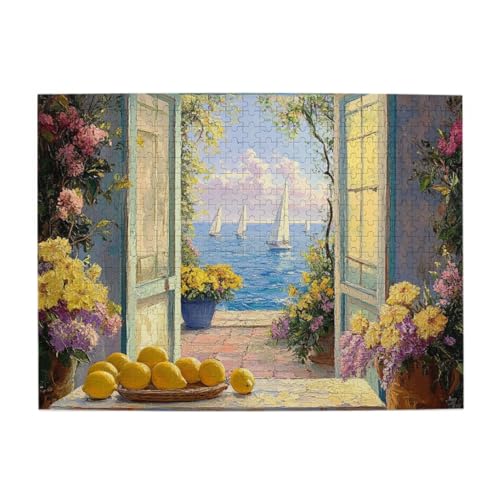
Plants suited for salty air are essential in coastal garden designs. I often choose hardy species like lavender, sea thrift, and grasses like beach oat, as they adapt well to saline conditions and resist wilting. Incorporating succulents such as agave adds texture and requires minimal watering. Placing native plants enhances biodiversity and ensures long-term survival even in harsh environments.




Durable Hardscaping Materials
Materials that withstand the elements are key in these designs. I prefer weathered wood, natural stone, or gravel for paths and patios, as they’re both sturdy and visually in tune with a coastal theme. I also use corrosion-resistant metals like stainless steel for fixtures and furniture to combat moisture exposure. These choices ensure durability while maintaining a relaxed aesthetic.
Water Features And Decorations
Water elements create a soothing ambiance reminiscent of the ocean. I add features such as small fountains, reflecting pools, or bird baths to enhance tranquility. Adornments like driftwood sculptures, pebble arrangements, and nautical accessories further accentuate the coastal charm. These simple decorations tie the overall design to its seaside inspiration.
Popular Coastal Garden Styles
Coastal garden designs offer diverse styles, each bringing unique charm to outdoor spaces. From classic beach cottage vibes to modern minimalism, there’s something for everyone.
Elegant Beach Cottage Style
This style combines timeless charm with rustic touches to create a welcoming environment. Whitewashed fences, natural stone pathways, and picket gates set a relaxed tone. Plants like hydrangeas, sea thrift, and lavender add soft pops of color, while weathered wood furniture completes the look. Incorporating subtle nautical decor like lanterns or rope accents enhances its classic seaside appeal.
Tropical Resort Vibes
Lush greenery and vibrant flowers define this style. Palms, bird-of-paradise, and hibiscus evoke tropical destinations. Bamboo structures, rattan furniture, and soft outdoor lighting contribute to a resort-like ambiance. Adding water features like a small pond or a cascading fountain mimics natural coastal serenity. Use sandy-colored gravel and tropical-patterned fabrics for extra flair.





Modern Minimalist Coastal Look
Sleek design and subdued colors set this aesthetic apart. Neutral tones like beige, gray, and charcoal dominate, balancing coastal charm with modernity. Drought-tolerant plants such as succulents and ornamental grasses provide texture and structure. Minimalist concrete planters, smooth stone pathways, and clean-lined outdoor seating maintain a streamlined appearance. Keep decor minimal with a focus on polished driftwood or abstract sculptures.
Tips For Maintaining A Coastal Garden
Maintaining a coastal garden ensures it remains vibrant and sustainable despite challenging conditions. Focusing on soil health, weather protection, and appropriate watering keeps your garden thriving year-round.
Soil Care And Fertilization
Healthy soil supports hardy coastal plants. I use organic compost to enrich sandy or nutrient-poor soil, which anchors plants and improves moisture retention. For salt-prone areas, gypsum helps reduce salinity, promoting better plant growth. Slow-release fertilizers, blended for coastal vegetation, supply nutrients over time without overwhelming delicate roots.
Protecting Against Harsh Weather
Coastal weather can be unpredictable, so durable plant choices are essential. I plant wind-resistant varieties, like grasses and succulents, as natural buffers. Installing windbreaks, such as wooden fences or dense shrubs, limits soil erosion and protects against strong gusts. Adding mulch around plant bases safeguards roots from temperature fluctuations and prevents moisture loss during dry spells.
Managing Watering Needs
Efficient irrigation is key for coastal gardens. I rely on drought-resistant plants, like sea hollies and agaves, to minimize water demand. Drip irrigation systems target root zones, reducing water waste. To combat evaporation, I schedule watering in the early morning or late evening. This strategy conserves resources while keeping plants hydrated.
« How to Choose a Landscaper for Ongoing Care: Tips for a Healthy, Beautiful Outdoor Space How to Communicate Your Vision to a Landscaper: Tips for a Stunning Outdoor Transformation »
Conclusion
Coastal gardens offer more than just visual appeal—they bring a sense of peace and a connection to nature that’s truly special. Whether you’re drawn to the charm of a beach cottage, the lush feel of a tropical retreat, or the simplicity of modern minimalism, there’s a design that can transform your outdoor space into a personal haven.
By combining thoughtful plant choices, durable materials, and sustainable practices, you can create a garden that thrives while staying low-maintenance. It’s all about capturing that relaxed coastal vibe and making it your own. With a little creativity and care, your backyard can feel like a seaside escape no matter where you live.