Considering sealing your pavers, but unsure if you can do it when they’re wet? We’ve got you covered! Sealing pavers is a crucial step in protecting and enhancing the beauty of your outdoor space. However, the timing of when to seal them can be a bit tricky, especially when dealing with wet conditions.

Sealing pavers when they’re wet can lead to a range of issues that may affect the quality and durability of the sealant. It’s essential to understand the potential risks and benefits of sealing wet pavers to make an informed decision that will ensure long-lasting results for your outdoor area.
In this article, we’ll delve into the dos and don’ts of sealing pavers when wet, providing you with valuable insights to help you make the best choice for your outdoor project. Stay tuned to learn more about the best practices for sealing pavers and how to achieve optimal results for your hardscaping endeavors.
Understanding Paver Sealing
As landscape designers, we understand the significance of sealing pavers to safeguard and enhance outdoor areas. When considering sealing pavers, it’s vital to comprehend the intricacies involved in the process to make informed decisions for the best results in your hardscaping projects.
The Purpose of Sealing Pavers
Sealing pavers serves multiple essential purposes in landscaping projects. Firstly, it acts as a protective barrier, shielding the pavers from environmental elements such as rain, snow, and UV rays. This protection helps prevent premature wear and keeps the pavers looking fresh and well-maintained for a longer period. Additionally, sealing pavers enhances their aesthetics by enriching the colors and textures, providing a more visually appealing outdoor space. Moreover, sealing aids in inhibiting weed growth and mold formation, ensuring easier maintenance and longevity of the paved area.
Types of Paver Sealants
Different types of sealants are available for pavers, each with specific qualities and applications. Acrylic sealers are popular for their affordability and ease of application, providing a glossy or matte finish based on preferences. Penetrating sealers, on the other hand, offer superior protection by penetrating the paver material, making them ideal for high-traffic areas. Natural look sealers maintain the original appearance of the pavers while offering protection against stains and moisture. When selecting a paver sealant, it’s crucial to consider factors such as the type of pavers, desired finish, and level of maintenance required to make the right choice for your landscaping project.
Pre-Sealing Considerations
The Importance of Surface Preparation
When considering sealing pavers, adequate surface preparation is crucial for a successful outcome. Before applying any sealant, we ensure that the pavers are clean, dry, and free of any existing coatings. Cleaning the surface thoroughly by removing dirt, stains, and any previous sealant residue is essential to allow the new sealant to adhere effectively. We inspect the pavers for any damage or efflorescence, addressing these issues beforehand to prevent them from being sealed over, which could lead to further problems in the future. By taking the time to prepare the surface properly, we can maximize the benefits of the sealing process and ensure a long-lasting finish.
Weather Conditions and Sealing
Considering weather conditions is vital when planning to seal pavers, especially regarding the moisture content of the surface. Ideally, we opt for sealing pavers when they are completely dry to ensure optimal adhesion of the sealant. Sealing pavers when wet can trap moisture underneath the sealant, leading to a cloudy or milky finish and potentially hindering the effectiveness of the sealant. Additionally, we take into account the ambient temperature and humidity levels, as extreme conditions can impact the drying and curing process of the sealant. By choosing the right time and weather conditions for sealing, we can achieve a professional finish that enhances the durability and aesthetics of the pavers.
Can You Seal Pavers When Wet?
As landscape designers, we often encounter the question of whether pavers can be sealed when wet. Let’s debunk a common myth and explore what manufacturers recommend regarding sealing pavers in optimal conditions.


Myth vs. Reality
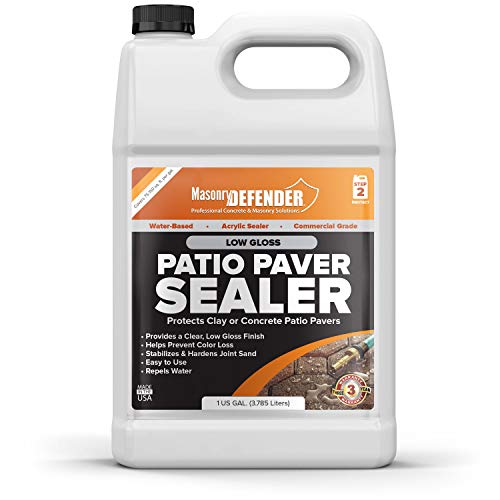
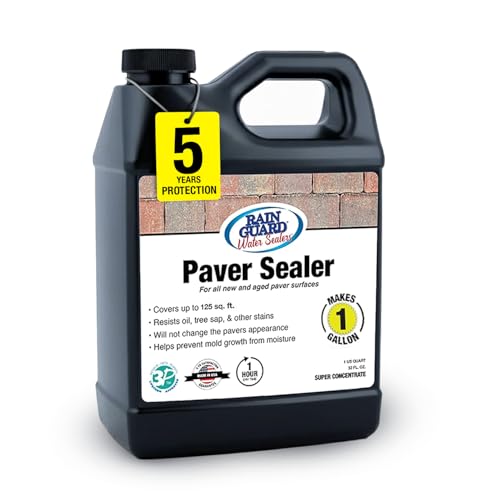
When it comes to sealing pavers, a prevalent myth is that sealing them when wet is acceptable. However, the reality is that sealing pavers when wet can have detrimental effects on the overall outcome of the project. Sealing wet pavers traps moisture, preventing the sealant from properly adhering to the surface. This can lead to a range of issues, such as cloudiness, bubbling, or premature sealant failure, compromising the durability and appearance of the pavers.
What Manufacturers Say
Manufacturers of paver sealants unanimously advise against sealing pavers when they are wet. Their guidance stresses the importance of allowing the pavers to dry completely before applying any sealant. This crucial step ensures that the sealant can bond effectively with the surface, creating a robust barrier against natural elements and preserving the pavers’ longevity.
As landscape designers, we adhere to the expert recommendations of manufacturers and always prioritize sealing pavers when they are dry to achieve the best results and enhance the overall aesthetics and durability of outdoor spaces.
The Sealing Process
As landscape designers, we pay meticulous attention to the sealing process of pavers to ensure their longevity and visual appeal. Following proper procedures is crucial for effective sealing that withstands the test of time and environmental factors.
Step-by-Step Guide to Sealing Pavers
When sealing pavers, our process involves thorough preparation and precise application to achieve the best results. Here’s a step-by-step guide we follow:




- Clean the Surface: We start by cleaning the pavers to remove any dirt, stains, or debris that could affect the sealant’s adhesion.
- Allow Drying Time: It’s essential to let the pavers dry completely before applying the sealant to prevent moisture entrapment.
- Choose the Right Sealant: Select a high-quality sealant suitable for the specific type of pavers to ensure optimal protection.
- Apply Evenly: We apply the sealant evenly using suitable tools to create a consistent protective layer.
- Follow Manufacturer’s Recommendations: We always adhere to the manufacturer’s instructions regarding drying times, weather conditions, and reapplication intervals for the best outcomes.
Tips for Sealing Pavers in Humid Conditions
Sealing pavers in humid conditions requires extra caution to mitigate potential risks. Here are some tips we recommend for sealing pavers in such environments:
- Monitor Weather Conditions: We check the weather forecast to ensure low humidity levels and optimal drying conditions.
- Schedule Early Morning or Late Afternoon: Sealing pavers during these times can help take advantage of lower humidity levels and moderate temperatures.
- Provide Sufficient Drying Time: It’s crucial to allow the sealant to dry completely before any contact with moisture to avoid imperfections.
- Use Fans or Dehumidifiers: In highly humid conditions, we may use fans or dehumidifiers to expedite the drying process and enhance the sealant’s effectiveness.
- Inspect for Moisture: We carefully inspect the pavers for any signs of moisture before sealing to prevent trapping it beneath the protective layer.
By following these steps and tips, we ensure that the sealing process for pavers is executed with precision and care, leading to durable and visually appealing outdoor spaces.
Maintenance and Care
As landscape designers, we understand the importance of post-sealing maintenance to prolong the life of your pavers and keep them looking pristine. Here are some essential tips to ensure your outdoor space remains as beautiful as the day it was installed.
Post-Sealing Maintenance Tips
After sealing your pavers, it’s crucial to maintain them properly. To keep your outdoor space in top condition, we recommend the following post-sealing maintenance tips:
- Regular Cleaning: Sweep or rinse your pavers periodically to prevent dirt and debris buildup. This simple step can help retain the shine of the sealant and keep your pavers looking fresh.
- Avoid Harsh Chemicals: When cleaning your pavers, opt for gentle, pH-neutral cleaners to avoid damaging the sealant. Harsh chemicals can strip away the protective layer, leading to premature wear and tear.
- Inspect for Damage: Keep an eye out for any signs of wear or damage. If you notice areas where the sealant has worn off or pavers are shifting, address these issues promptly to prevent further damage.
- Reapply Sealant: Depending on foot traffic and weather conditions, consider reapplying sealant every 2-3 years to maintain the protective barrier. Regularly sealing your pavers can enhance their longevity and appearance.
Signs Your Pavers Need Re-Sealing
To ensure your pavers continue to withstand the elements and daily use, watch out for these signs indicating that it’s time to reseal them:
« Unveiling the Ultimate Guide to Securing Top-Quality Pavers in Bustling Las Vegas! Find Your Perfect Match Today Unlock the Secrets: How Pavers Shoe Cream Can Transform Your Leather Shoes »
- Loss of Sheen: If your pavers appear dull or lack the glossy finish they had after sealing, it may be time for a touch-up. A faded sheen signals that the sealant has worn off and no longer offers adequate protection.
- Stains and Discoloration: Stubborn stains or discoloration on your pavers can indicate that the sealant is no longer effective. Re-sealing can help restore the vibrancy of your outdoor space and protect against further staining.
- Visible Wear and Tear: Cracks, chips, or visible wear on the paver surface are clear indicators that the sealant has worn away, leaving your pavers vulnerable to damage. Re-sealing can help maintain the structural integrity of your outdoor flooring.
By following these maintenance tips and being vigilant for signs that your pavers need re-sealing, you can ensure the longevity and beauty of your outdoor hardscaping for years to come. Maintaining your pavers not only enhances their aesthetic appeal but also safeguards your investment in creating a stunning outdoor living space.
Conclusion
Sealing pavers is a crucial step in maintaining outdoor spaces. We’ve explored the significance of choosing the right sealant, pre-sealing precautions, and the impact of weather on the process. Remember, sealing pavers when wet is a myth. Following manufacturers’ guidelines is key. Our detailed guide and expert tips ensure a seamless sealing experience, even in humid conditions. Post-sealing care is essential for long-lasting results. Regular cleaning, gentle products, and periodic inspections are vital. Keep an eye out for signs that indicate re-sealing is needed. By following these practices, we can preserve the beauty and durability of our outdoor hardscaping projects for years to come.