When I first started landscaping, I had no idea how much soil mattered. I thought any patch of dirt would do the job, but I quickly learned that the type of soil beneath my plants could make or break my efforts. Whether you’re planting flowers, growing vegetables, or designing a lush outdoor space, understanding soil types is the foundation for success.

Each soil type has its own personality—some drain water quickly, while others hold onto it for dear life. Some are rich and full of nutrients, while others need a little extra love to support healthy growth. Knowing what you’re working with helps you choose the right plants and treatments to create a thriving landscape.
What Are Soil Types?
Soil types are categorized based on their texture, composition, and ability to retain water and nutrients. The major types include sandy, clay, silt, loam, and peaty.
- Sandy Soil: This soil feels gritty and has large particles. It’s well-draining but low in nutrients, making it less ideal for plants that need consistent moisture unless amended with organic matter.
- Clay Soil: Clay has fine particles and retains water, creating a dense structure. While it holds nutrients well, poor drainage can lead to oversaturation, which stresses plant roots.
- Silt Soil: Silky in texture, silt contains medium-sized particles. It’s fertile and retains moisture but compacts easily, often requiring aeration to improve drainage.
- Loam Soil: Considered ideal for landscaping, loam is a balanced mixture of sand, clay, and silt. It provides good drainage, retains moisture, and holds nutrients effectively, promoting healthy plant growth.
- Peaty Soil: Peaty soil forms in waterlogged areas and contains organic materials. It retains moisture and supports acidic-loving plants but needs proper drainage for broader landscaping use.
Understanding these types and their characteristics helps me choose the right plants and treatments for specific areas in the yard.
Importance Of Soil Types In Landscaping
Soil plays a central role in landscaping, shaping plant health, water management, and overall garden aesthetics. Knowing soil types helps create thriving landscapes tailored to specific needs.
How Soil Influences Plant Growth
Soil type directly affects plant growth by controlling nutrient availability, root stability, and aeration. Nutrient-rich soils like loam support a wider range of plants, while sandy soils require frequent fertilization to compensate for low organic content.
Plant roots thrive in well-structured soils that balance air and moisture. Clay-heavy soils can hinder root expansion due to their density, whereas silty soils offer better support but may compact, stressing roots. Tailoring plant choices to match soil characteristics optimizes growth.
Impact On Drainage And Water Retention
Soil texture governs water movement and retention, influencing landscape success. For example, sandy soil drains fast, risking dehydration for plants needing consistent moisture. Clay soil, on the other hand, holds water excessively, potentially causing root rot.
Balancing drainage is essential in landscaping plans. Loam, with its mix of sand, silt, and clay, strikes a perfect balance, supporting even water-loving or drought-tolerant plants. Peaty soil excels in retaining moisture but demands extra drainage measures for delicate species.



Common Soil Types And Their Characteristics
Each soil type has unique properties that influence plant health, water retention, and nutrient availability. Recognizing these features helps in making informed landscaping decisions.
Sandy Soil
Sandy soil drains quickly due to its large particles and loose texture. It’s low in nutrients, as water often carries them away. Frequent watering and fertilization improve plant growth in sandy areas. I’ve found that drought-tolerant plants, like cacti or succulents, thrive in this soil type.
Clay Soil
Clay soil retains water well and is high in nutrients due to its compact particles. However, poor drainage can lead to waterlogging and root rot. Aerating and mixing organic matter improve its structure. For clay soil, I recommend plants like iris or daylilies, which handle heavy soil well.
Silt Soil
Silt soil is fertile and retains water effectively. Its fine particles can lead to compaction, reducing air movement and drainage. Regularly adding organic matter prevents these issues. I’ve noticed plants like ferns or willows flourish when grown in silt soil.
Loamy Soil
Loamy soil combines sand, silt, and clay in a balanced mix, offering excellent drainage and nutrient retention. Its structure supports a wide range of plants. In my experience, vegetables, roses, and perennials grow best in loamy soil with minimal amendments needed.



Testing And Identifying Your Soil Type
Identifying soil types helps tailor landscaping approaches for better results. Simple techniques and professional analyses can provide clarity about your soil’s characteristics.
Simple At-Home Soil Tests
Performing at-home tests gives quick insights into soil texture and properties.
- Jar Test – For understanding soil composition, fill a clear jar with equal parts soil and water. Shake it thoroughly, let it settle for 24 hours, and observe the layers. Sand forms the bottom layer due to its weight, silt settles in the middle, and clay forms the topmost layer. A balanced mix indicates loam, ideal for most plants.
- Squeeze Test – Assess soil texture by taking a handful of moist soil and squeezing it. Sandy soil crumbles, silt holds its shape but crumbles when poked, and clay stays compacted. Loamy soil retains some form while breaking apart easily.
- Drainage Test – To test water drainage, dig a 12-inch-deep hole and fill it with water. Allow it to drain, then refill. Measure how long the water takes to drain completely. Fast drainage suggests sandy soil, while slow drainage signals clay-heavy soil.
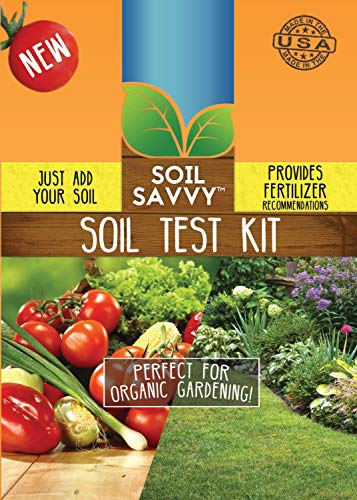
- pH Strip Test – Use pH testing strips to check acidity. Mix soil and distilled water in equal parts, then dip a strip in the mixture. Acidic soil supports plants like azaleas, while neutral or alkaline soil suits many lawns and vegetables.
When To Seek Professional Soil Analysis
Professional soil testing ensures precise details for challenging or key landscaping projects.
- Persistent Plant Issues – If plants show slow growth or discoloration despite proper care, experts test nutrient levels, pH, and contamination.
- Major Landscaping Projects – For redesigning yards or creating large gardens, professionals provide information on soil structure, organic matter, and potential amendments.
- Unknown Soil History – In newly acquired properties or areas with prior industrial use, labs check for pollutants or hazardous chemicals.
- Specific Recommendations – Tailored advice for fertilizer use, crop rotation, or erosion control comes from detailed lab results, ensuring optimal decisions.
Understanding your soil through testing supports healthy landscapes and better planning.
Improving Soil Quality For Landscaping
Good soil quality is essential for creating a thriving landscape. Enhancing the soil ensures better plant health, improved aesthetics, and more sustainable landscaping outcomes.
« Best Gravel Types for Pathways: Top Choices for Durable and Attractive Outdoor Paths Front Yard Ideas with Native Plants: Transform Your Space with Sustainable Beauty »
Adding Organic Matter
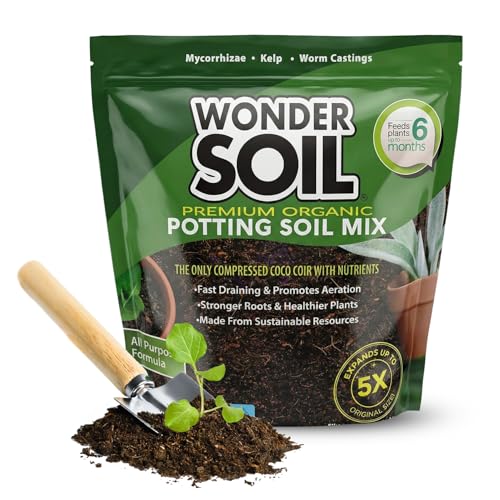
Organic matter increases soil fertility, enhances structure, and boosts microbial activity. I use compost, aged manure, and shredded leaves to revitalize nutrient-poor soils. Compost enriches sandy soils, improving moisture retention, while it loosens compacted clay soils for better aeration and drainage. Mulching with organic materials like wood chips or straw further prevents compaction and helps maintain consistent soil moisture levels.
When applying, I evenly spread organic matter over the soil’s surface or mix it into the top 6–8 inches using a garden fork or tiller. To improve consistency, I refresh these applications annually.
Using Soil Amendments
Specific amendments correct soil deficiencies based on needs. Gypsum helps loosen clay-heavy soils, enhancing water infiltration. Adding sand improves drainage in both silt and clay soils but requires proper mixing to avoid layering issues. Lime raises soil pH for acidic soils, while sulfur lowers it for alkaline soils, making these amendments useful for pH adjustments.
Before using any amendment, I always conduct soil tests to determine the precise nutrient or pH needs. By tailoring amendments to existing conditions, I maintain balance and avoid overloading the soil with unnecessary elements.
Conclusion
Understanding soil types is a game-changer for creating a thriving landscape. By learning about your soil’s unique traits and testing it to uncover its needs, you can make smarter choices for your plants and yard. Healthy soil is the foundation of a vibrant, sustainable outdoor space, and with a little effort, it’s possible to transform even the most challenging soil into a gardener’s dream.
Whether you’re planting a vegetable garden, designing flower beds, or simply enhancing your yard’s aesthetics, taking the time to work with your soil will always pay off.