Thinking of giving your outdoor space a fresh look? When it comes to revamping your patio or driveway, replacing pavers can make a significant difference. Whether you’re aiming for a modern upgrade or simply need to repair worn-out pavers, it’s a project that can transform the entire aesthetic of your home.

At some point, pavers may show signs of wear and tear due to weather exposure or heavy foot traffic. This is where replacing them becomes a practical solution to maintain the beauty and functionality of your outdoor area. With a variety of colors, shapes, and materials available, replacing pavers offers endless possibilities to customize your space to suit your style and needs.
Ready to explore the world of paver replacement? Let’s dive into the process, benefits, and creative options to breathe new life into your outdoor living space.
Evaluating the Need to Replace Pavers
Inspecting Your Pavers for Damage
As landscape designers, we recommend regularly inspecting your pavers for any signs of damage. Look for cracks, chips, or uneven surfaces that may pose a tripping hazard or affect the aesthetics of your outdoor space. Pay particular attention to areas with heavy foot traffic or exposed to harsh weather conditions as these are more prone to wear and tear.
Understanding the Lifespan of Different Paving Materials
When it comes to paver replacement, it’s crucial to consider the lifespan of the different paving materials used in your outdoor space. Concrete pavers typically last around 25-30 years, while natural stone pavers can endure for 50 years or more with proper maintenance. Knowing the lifespan of your pavers can help you make informed decisions about when to replace them to ensure the longevity and beauty of your outdoor area.
Planning Your Paver Replacement Project
As landscape designers, we understand the significance of meticulously planning your paver replacement project to ensure a seamless transformation of your outdoor space.
Choosing the Right Time to Replace Pavers
When considering the timing to replace pavers, we recommend assessing the current condition of your outdoor area. Keep an eye out for any visible signs of wear and tear, such as cracks, chips, or uneven surfaces. It’s essential to prioritize areas that are frequently exposed to high foot traffic or adverse weather conditions. By addressing these issues promptly, you can prevent further damage and enhance the overall durability of your outdoor surface.
Selecting New Pavers for Your Space
Selecting the right pavers for your space is crucial to achieving the desired aesthetic appeal and longevity. With a wide array of colors, shapes, and materials available, we suggest exploring options that complement your existing landscape design. Consider the durability and maintenance requirements of different paver materials to make an informed decision. Whether you opt for versatile concrete pavers with a lifespan of 25-30 years or opt for the timeless elegance of natural stone lasting over 50 years, we’re here to guide you in selecting the perfect pavers for your outdoor oasis.
The Process of Replacing Pavers
Removing Old Pavers
When it comes to replacing pavers in outdoor spaces, our team understands the importance of starting with a clean slate. We begin by carefully removing the old pavers to make way for the fresh, updated look. This process involves precision and attention to detail to ensure that the existing pavers are removed without causing damage to the surrounding areas. By efficiently clearing the space, we set the stage for a seamless transition to the new pavers.
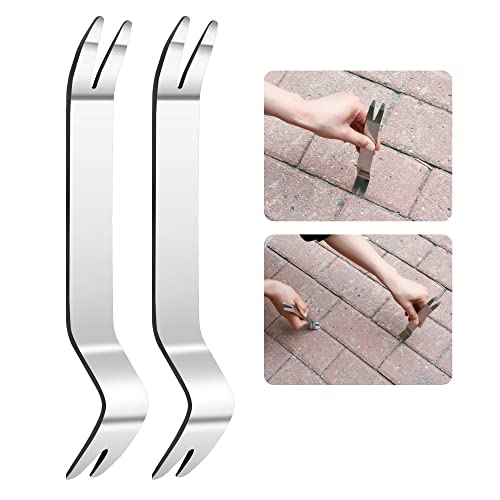


Preparing the Base for New Pavers
Once the old pavers are removed, we shift our focus to preparing the base for the new pavers. Our team prioritizes creating a sturdy and level foundation to enhance the longevity and durability of the new installation. We assess the underlying soil conditions and make necessary adjustments to ensure proper drainage and stability. By meticulously preparing the base, we guarantee a solid groundwork for the new pavers, setting the stage for a flawless finish.
Installing the New Pavers
With the groundwork set, we proceed to the exciting phase of installing the new pavers. Our experienced team carefully places the pavers in the desired pattern, paying close attention to alignment and precision. We work diligently to create a visually appealing design that complements the overall aesthetic of the outdoor space. By expertly installing the new pavers, we bring the project to life, transforming the area into a stunning and functional space for our clients to enjoy for years to come.
Maintenance Tips to Extend the Life of Your Pavers
Regular Cleaning and Sealing
When it comes to maintaining the longevity of your pavers, Regular Cleaning and Sealing are essential practices in our landscape design approach. We recommend cleaning your pavers with a mix of water and a mild detergent to remove dirt, stains, and moss that can accumulate over time. By cleaning your pavers on a routine basis, you prevent the buildup of grime that can affect their appearance and durability.
Moreover, sealing your pavers plays a crucial role in preserving their integrity against weather elements and foot traffic. We suggest sealing your pavers every 2-3 years to protect them from harsh UV rays, moisture penetration, and color fading. By sealing your pavers regularly, you enhance their resistance to stains and ensure they maintain their aesthetic appeal for years to come.
Addressing Repairs Promptly
In our experience as landscape designers, Addressing Repairs Promptly is key to preventing minor issues from escalating into major problems. We advise checking your pavers regularly for signs of damage such as cracks, chips, or loose pavers. If you notice any damage, it’s important to address it promptly by replacing the damaged pavers or fixing the issue to prevent further deterioration.




By addressing repairs promptly, you maintain the structural integrity of your paved surface and prevent safety hazards. We recommend inspecting your pavers after the changing seasons or extreme weather conditions to catch any damage early. Being proactive in addressing repairs ensures the longevity of your pavers and preserves the beauty of your outdoor space.
Cost Considerations When Replacing Pavers
As experienced landscape designers, we understand that estimating replacement costs is a crucial step in your paver project. Here are some essential factors to consider when planning your budget:
Estimating Your Replacement Costs
When calculating your replacement expenses, consider the following key elements:
1. Paver Material Costs: The type, quality, and quantity of pavers you choose significantly impact the overall cost. For example, natural stone pavers are typically more expensive than concrete alternatives.
2. Labor Costs: Hiring professionals for installation plays a significant role in your budget. The complexity of the project, such as pattern design or removal of existing pavers, can affect labor expenses.
« Unveiling the Ultimate Guide to Pavers: Discover the Best Types for Stunning Outdoor Spaces Secret Techniques to Cut Pavers Without a Wet Saw – Unveiled »
3. Additional Materials: Apart from pavers, you may need sand, gravel, edging materials, and sealant, which contribute to your total costs.
4. Equipment Rental: Specialized equipment like compactors or saws may be necessary for the project, so factor in rental costs if you choose to DIY.
5. Removal and Disposal: Removing old pavers and disposing of debris incur additional expenses. If there are any existing issues with the base, repairs might be needed, adding to the overall cost.
Ways to Save on Your Paver Replacement
To help you save on your paver replacement project without compromising quality, consider the following tips:
1. DIY Prep Work: While it’s best to leave intricate tasks to the experts, you can save money by preparing the site yourself, clearing the area of debris, and marking the layout for installation.
2. Bulk Purchases: Buying materials in bulk can often lead to discounts from suppliers, reducing your overall expenses. Consider shopping around for the best deals.
3. Opt for Cost-Effective Alternatives: Explore different paver options that offer durability and aesthetics at a lower cost. Concrete pavers, for instance, provide a versatile and budget-friendly choice for various designs.
4. Timing of the Project: Plan your replacement during off-peak seasons when contractors might offer discounts or promotions to attract business.
By considering these cost-effective strategies and carefully estimating your expenses, you can successfully manage your paver replacement project within your budget while achieving the desired outcome.
Conclusion
Replacing pavers can transform outdoor spaces, enhancing both beauty and functionality. By carefully selecting new pavers and following proper maintenance practices, we can prolong their lifespan and keep them looking their best. Cost considerations play a significant role in replacement projects, but with smart strategies like DIY prep work and budget-friendly alternatives, we can manage expenses effectively. Ultimately, replacing pavers is a worthwhile investment that can revitalize your outdoor area and create a welcoming environment for years to come.