Planning to seal your pavers but unsure about the right time? We’ve got you covered! Sealing your pavers is a crucial step in enhancing their durability and appearance. Knowing when to seal them can make all the difference in maintaining that fresh, vibrant look for years to come.

Whether you have just installed new pavers or want to rejuvenate the existing ones, understanding the optimal timing for sealing is key. From protecting against stains to locking in the colors, sealing at the right moment ensures maximum benefits. Let’s explore the factors that influence the ideal timing for sealing your pavers and how to make the most of this essential maintenance task.
Understanding Paver Sealing
As landscape designers, we know the importance of preserving the beauty and longevity of pavers through proper maintenance. Sealing pavers is a fundamental aspect of our work that significantly enhances their durability and appearance.
Why Seal Pavers at All?
Sealing pavers is a crucial step in protecting them from wear and tear caused by external elements such as harsh weather conditions, stains, and color fading. It acts as a shield, preventing oil, dirt, and other substances from penetrating the surface of the pavers. By sealing them, we ensure that pavers remain vibrant, easy to clean, and resistant to mildew and weed growth. This proactive measure not only prolongs the lifespan of the pavers but also maintains their aesthetic appeal over time.
Types of Sealants and Their Purposes
When selecting sealants for pavers, we consider various factors such as the type of pavers, desired finish, and level of protection required. There are different types of sealants available, including penetrating sealers, acrylic sealers, and wet-look sealers.
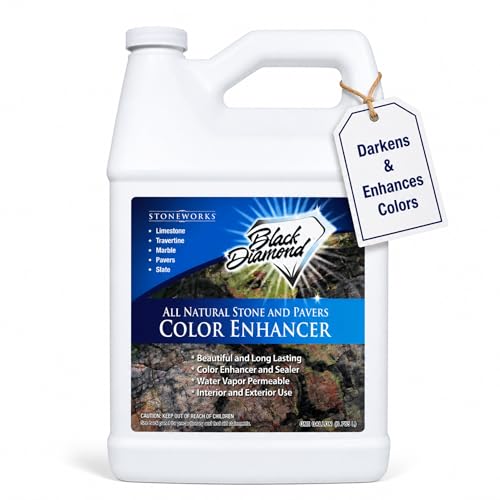
- Penetrating sealers: These sealants penetrate the pavers’ surface to provide protection without altering their appearance. They are ideal for retaining the natural look of the pavers while offering excellent durability.
- Acrylic sealers: Acrylic sealers create a protective film on the pavers, enhancing their color and providing a glossy finish. They are suitable for adding a decorative touch to the pavers while offering moderate protection against stains and UV rays.
- Wet-look sealers: Wet-look sealers offer a high-gloss finish, intensifying the color of the pavers. They provide superior protection against stains, water intrusion, and UV damage, making them ideal for high-traffic areas.
Choosing the right type of sealant depends on the specific requirements of the project, such as the desired look, maintenance preferences, and environmental factors. By understanding the characteristics of each sealant, we can customize our approach to paver sealing to meet the unique needs of each landscape design project.
Pre-Sealant Considerations
As landscape designers, we know that assessing your pavers’ condition is crucial before sealing them. It’s essential to examine the current state of your pavers to determine if they need sealing. We look for signs of wear, such as cracks, discoloration, or fading, which indicate the need for a protective sealant.
Cleaning before sealing is another vital step in the process. We recommend thoroughly cleaning the pavers to remove any dirt, debris, or stains that could affect the sealant’s effectiveness. Proper cleaning ensures that the sealant can bond effectively to the surface, providing long-lasting protection.
By carefully assessing your pavers’ condition and cleaning them beforehand, we can ensure that the sealing process is effective and helps maintain the durability and aesthetic appeal of your outdoor space.


Optimal Timing for Sealing Pavers
As landscape designers, we understand the importance of choosing the right time to seal pavers to ensure their longevity and aesthetics.
Best Seasons for Sealing
We recommend sealing pavers during the spring or fall seasons for optimal results. During these seasons, moderate temperatures allow the sealant to cure properly without the extreme heat of summer or the freezing cold of winter. Springtime, in particular, offers the perfect balance of warmth and dry weather, ideal for the sealing process.
Weather Conditions to Look For
When considering sealing pavers, we pay close attention to weather conditions. It’s essential to choose a day when there is no rain forecast for at least 24 hours to allow the sealant to set effectively. Additionally, we avoid sealing pavers during periods of high humidity, as it can impact the drying process and the quality of the sealant application. Optimal weather conditions ensure a successful sealing process that enhances the pavers’ durability and appearance in outdoor spaces.
Sealing New Pavers
Waiting Period After Installation
When it comes to sealing new pavers, as landscape designers, we understand the importance of allowing a waiting period after installation. While the timeline may vary based on the type of pavers and installation method used, it’s crucial to let the pavers settle and cure properly before applying any sealant. Typically, we recommend waiting for around 60 days after installation to ensure that the pavers have stabilized and any moisture trapped during the installation process has evaporated. This waiting period allows for optimal adhesion of the sealant and helps in achieving long-lasting results.
Factors That Affect Sealing New Pavers
As landscape designers, we consider several factors that can influence the sealing of new pavers. One key aspect is the weather conditions during the sealing process. We aim to seal pavers during mild weather, preferably in spring or fall, to ensure the sealant cures correctly. It’s essential to choose a day with no rain in the forecast for at least 24 hours after sealing to prevent any wash-off of the sealant. Additionally, high humidity levels can affect the drying process of the sealant, so we avoid sealing pavers on days with excessive moisture in the air.



Another crucial factor is the condition of the pavers themselves. Before sealing new pavers, we thoroughly inspect them for any signs of wear, efflorescence, or stains that need to be addressed. Cleaning the pavers before sealing is vital to ensure that the sealant adheres properly and provides adequate protection. By assessing the condition of the pavers and preparing them adequately, we can achieve a beautifully finished look that enhances the overall appeal of outdoor spaces.
Maintenance After Sealing
How Often to Reapply Sealant
When it comes to maintaining the longevity and beauty of your pavers, it’s crucial to consider how often you should reapply sealant. As landscape designers, we recommend routinely checking the condition of your sealed pavers. A general rule of thumb is to reapply sealant every 2-3 years to ensure proper protection against wear and stains. However, this timeline can vary based on factors such as foot traffic, weather exposure, and the type of sealant used. Regular inspections and proactive maintenance can help prolong the lifespan of your pavers and retain their visual appeal.
Signs Your Pavers Need Re-Sealing
To keep your outdoor space looking its best, it’s essential to know the signs indicating that your pavers need re-sealing. As experienced professionals, we advise our clients to look out for visible wear and tear on the paver surface, including fading color or areas that appear dull and lack luster. Stains that are difficult to remove or moisture penetration into the pavers are also signals that it’s time for re-sealing. By being attentive to these signs and taking timely action, you can prevent further damage and maintain the vibrancy of your outdoor pavers. Regular maintenance and re-sealing will ensure that your outdoor space remains inviting and visually appealing for years to come.
Conclusion
Sealing pavers at the right time is crucial for maintaining their durability and appearance. By considering factors like foot traffic and weather exposure, we can determine the optimal timing for reapplying sealant every 2-3 years. Regular inspections and proactive maintenance play a key role in preserving the visual appeal of outdoor pavers. Remember to look out for signs such as wear, fading color, or moisture penetration to know when it’s time for re-sealing. Taking these steps will help extend the lifespan of your pavers and keep them looking their best for years to come.